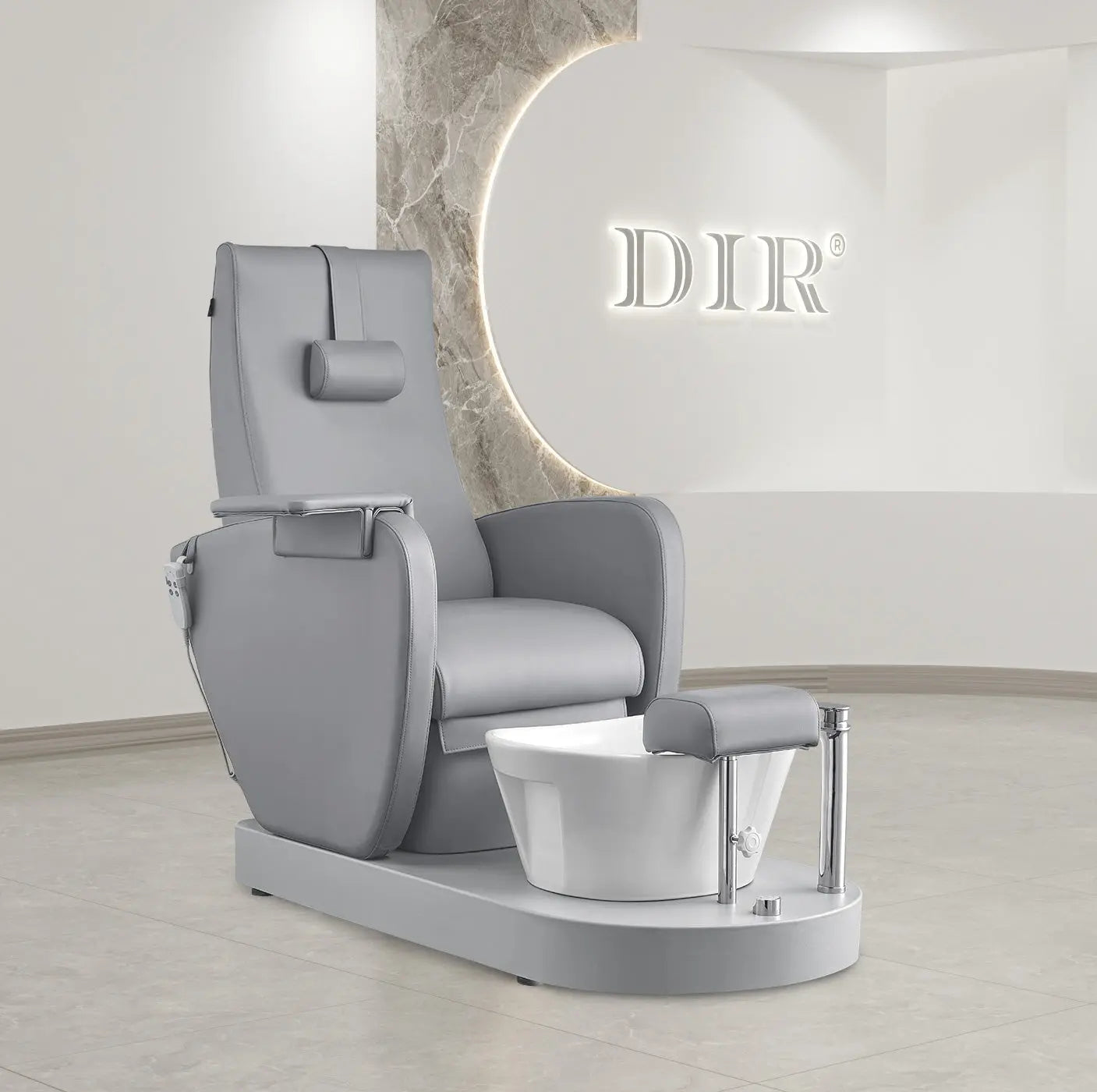
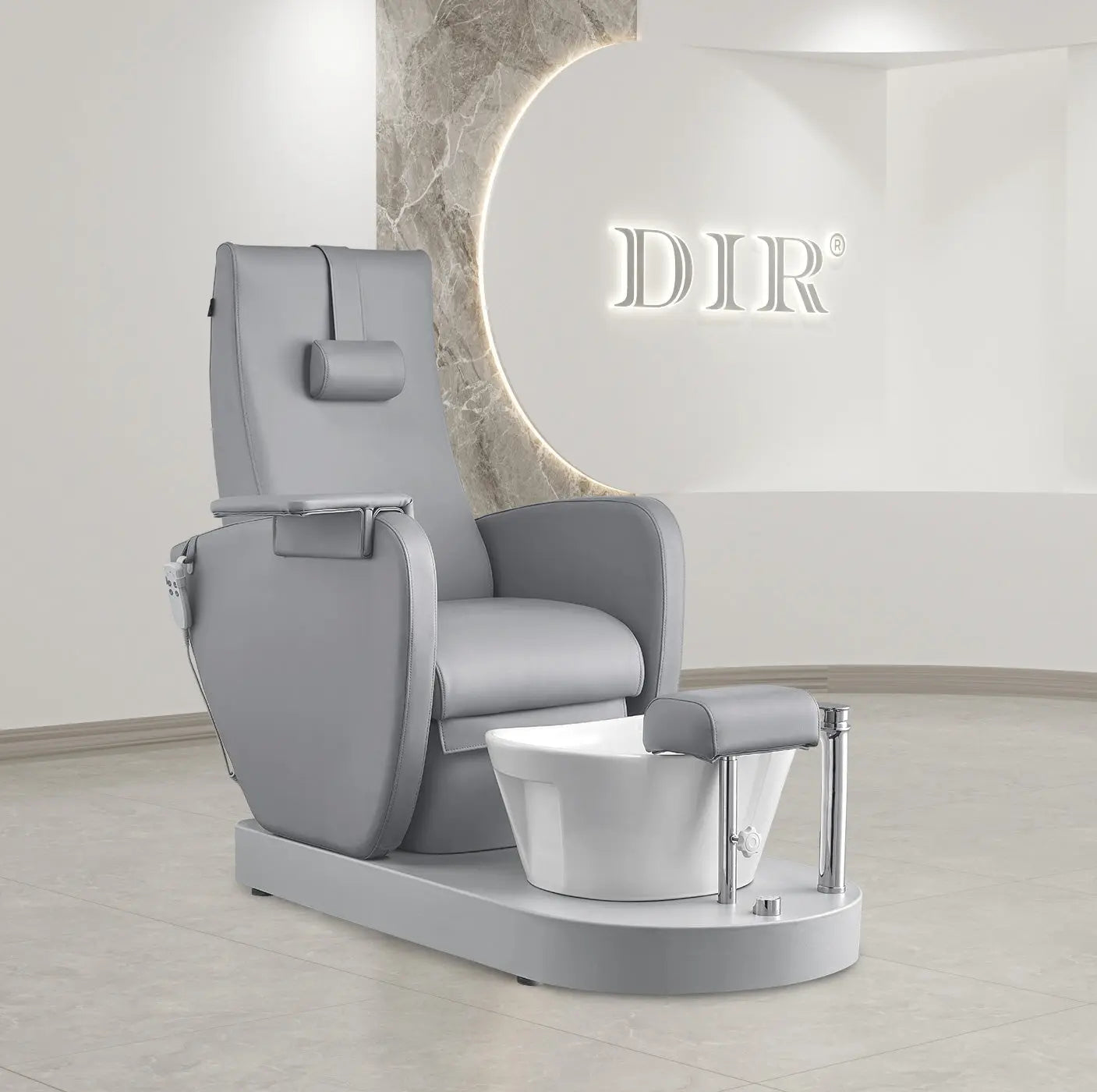
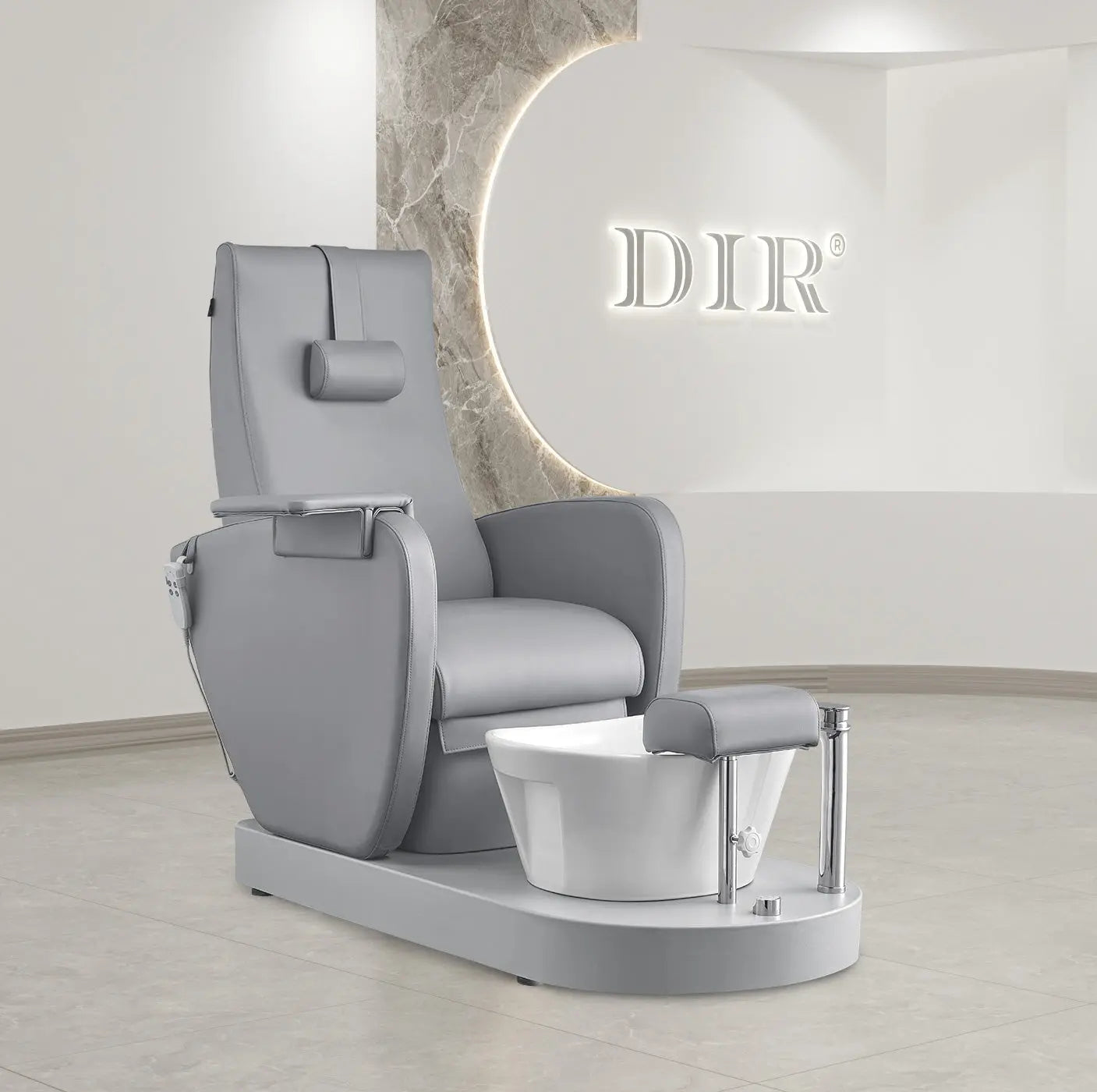
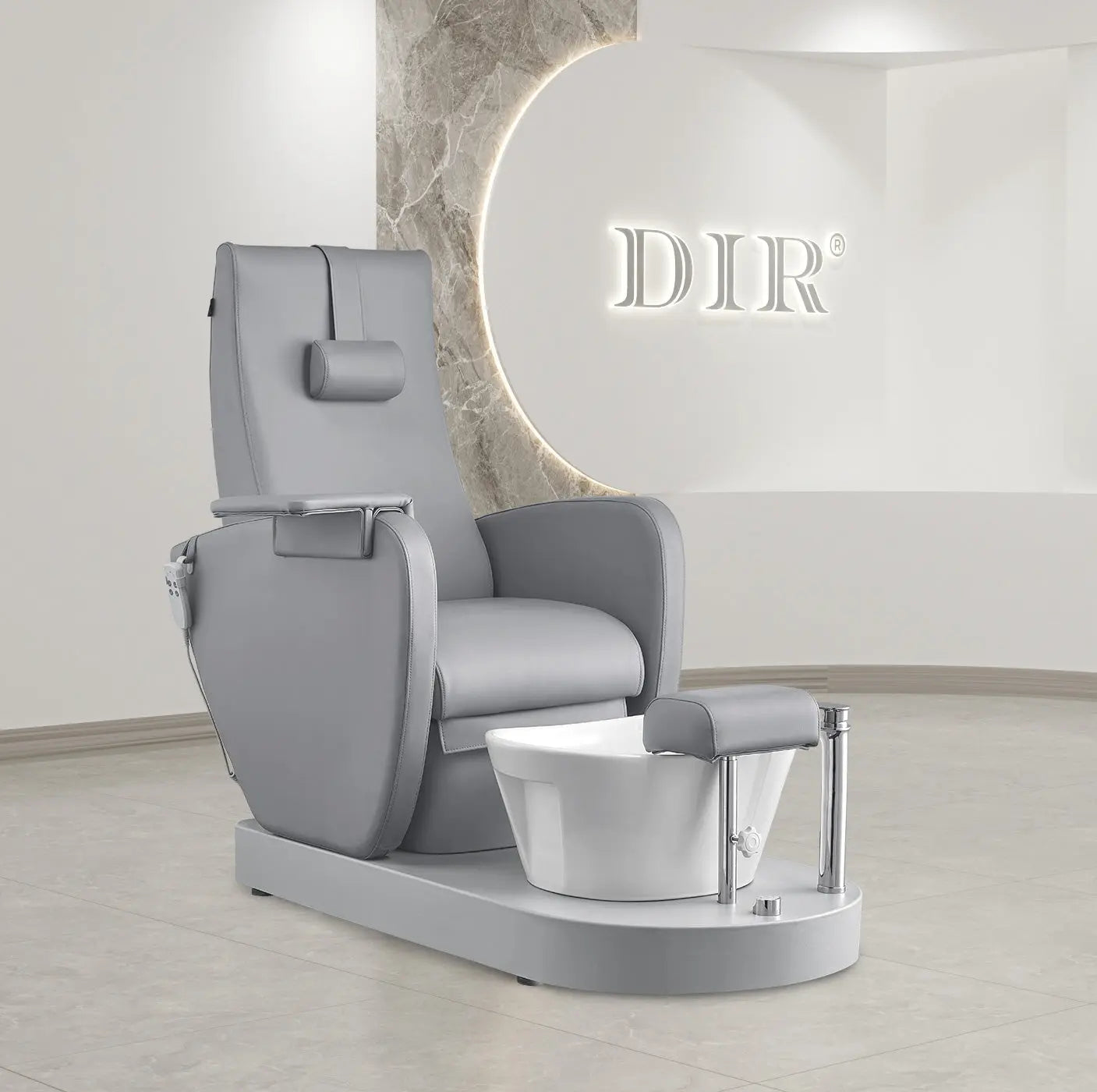
As a beauty salon owner in 2025, equipping your space with the right salon furniture is essential for client satisfaction, therapist efficiency, and business growth. A high-quality beauty bed—also known as a beauty couch, treatment bed, or facial bed—serves as the cornerstone for services like facials, massage services, waxing, and skincare treatments. With the UK beauty salon beds market expanding due to wellness trends and cosmetic procedures, choosing wisely can boost your salon's reputation and revenue. This guide provides practical beauty bed buying tips, covering key features, types, budget considerations, and top recommendations to help you make an informed investment in your beauty salon's future.
Assess Your Salon's Needs and Space
Before browsing options, evaluate your salon's specific requirements. Consider the range of services you offer—facials demand adjustable headrests, while massages need full recline capabilities. For multi-purpose beauty couches, versatility is key to accommodating diverse treatments without multiple beds and couches.
Space is another critical factor. Measure your treatment rooms to ensure the beauty bed fits comfortably, leaving room for therapists to move freely. Compact salons might prefer portable or folding facial beds, while larger spas can opt for stationary models. In 2025, trends favor space-efficient designs with built-in storage to keep tools accessible, reducing clutter and enhancing workflow. Also, think about client demographics: Wider beds with higher weight capacities (250-500kg) ensure inclusivity for all body types.
Budget plays a role too. Entry-level beauty beds start at £500, but premium electric beauty beds can exceed £3000. Factor in long-term costs like maintenance and warranties—aim for at least a 2-year guarantee to protect your investment. Wholesale options or bulk purchases can cut costs for expanding salons.
Prioritize Key Features for Durability and Comfort
A standout beauty bed combines comfort, durability, and functionality. Look for high-density foam padding (at least 4-6 inches thick) that retains shape over time, preventing sagging during extended sessions. Upholstery should be antimicrobial, fire-resistant, and easy to clean—vinyl or faux leather resists stains from oils and lotions and works well with everyday cleaning products.
Stability is non-negotiable; opt for steel or aluminum frames with non-slip rubber feet to avoid wobbling and reduce wear and tear. Ergonomic designs help preserve the level of comfort clients expect, with adjustable heights (18-35 inches) promoting proper posture for therapists. For lash or brow services, breathing holes or face cradles enhance client relaxation.
In 2025, advanced features like heated surfaces, vibration modes, and LED lighting are trending, adding therapeutic value to treatments. Lockable wheels provide mobility for cleaning, while sealed motors in electric beds prevent dust buildup. Always check for CE certification to ensure safety compliance.
Electric vs. Hydraulic: Choosing the Right Adjustment System
The adjustment mechanism is a pivotal decision in beauty bed buying. Electric beauty beds use motors for smooth, precise changes via buttons or remotes, ideal for busy salons needing quick setups. They offer multi-motor systems (2-4 motors) for independent back, leg, and height controls, with silent operation to maintain a serene atmosphere. Pros include longevity (over 100,000 cycles) and advanced features like memory presets, but they cost more and require power.
Hydraulic treatment beds, powered by foot pumps, are budget-friendly and reliable without electricity, suiting mobile or low-volume setups. They provide sturdy lifts but may feel jerky and require more effort, potentially fatiguing therapists. Manual options are the most affordable but least convenient for frequent adjustments.
For 2025, electric models are gaining popularity for their efficiency in high-traffic salons, while hydraulics remain favorites for cost-conscious owners. Hybrid systems blending both offer flexibility.
Material Quality and Hygiene Considerations
Invest in materials that withstand salon demands. Steel frames offer rust resistance and support heavy use, while high-quality foam ensures comfort without flattening. Upholstery must be wipeable and sealed to prevent bacteria—look for options compliant with hygiene standards and suitable for regular use with cleaning products.
Sustainability is a 2025 priority; eco-friendly fabrics like recycled vinyl appeal to green-minded clients. Easy to clean finishes and removable covers simplify daily cleaning, helping maintain a professional treatment space and reducing hygiene issues over time.
Trends and Final Tips for Beauty Salon Owners
In 2025, beauty beds emphasize personalization, with customizable colors and branding to match salon aesthetics. Smart tech like app controls is emerging for seamless operations. Read reviews, test in person if possible, and consider financing for premium buys.
Conclusion
Buying a beauty bed requires balancing comfort, functionality, and budget to suit your salon's unique needs. By focusing on adjustable systems, durable materials, and ergonomic features, you'll create a welcoming space that delights clients and empowers your team. In the evolving 2025 market, brands like DIR Store offer reliable options to elevate your beauty couch or treatment bed setup. Invest thoughtfully, and watch your salon thrive—explore suppliers today for the perfect facial bed match.