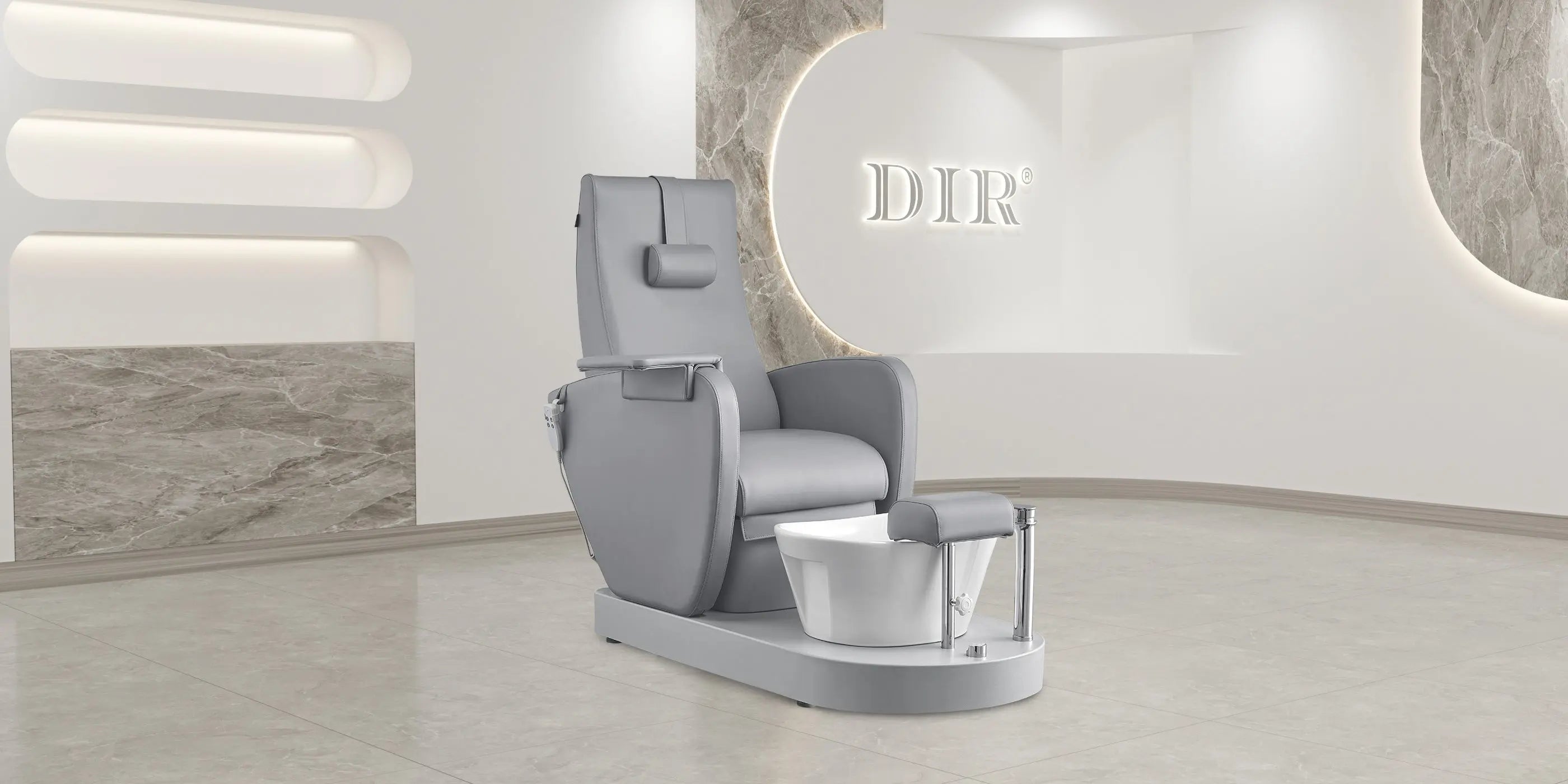
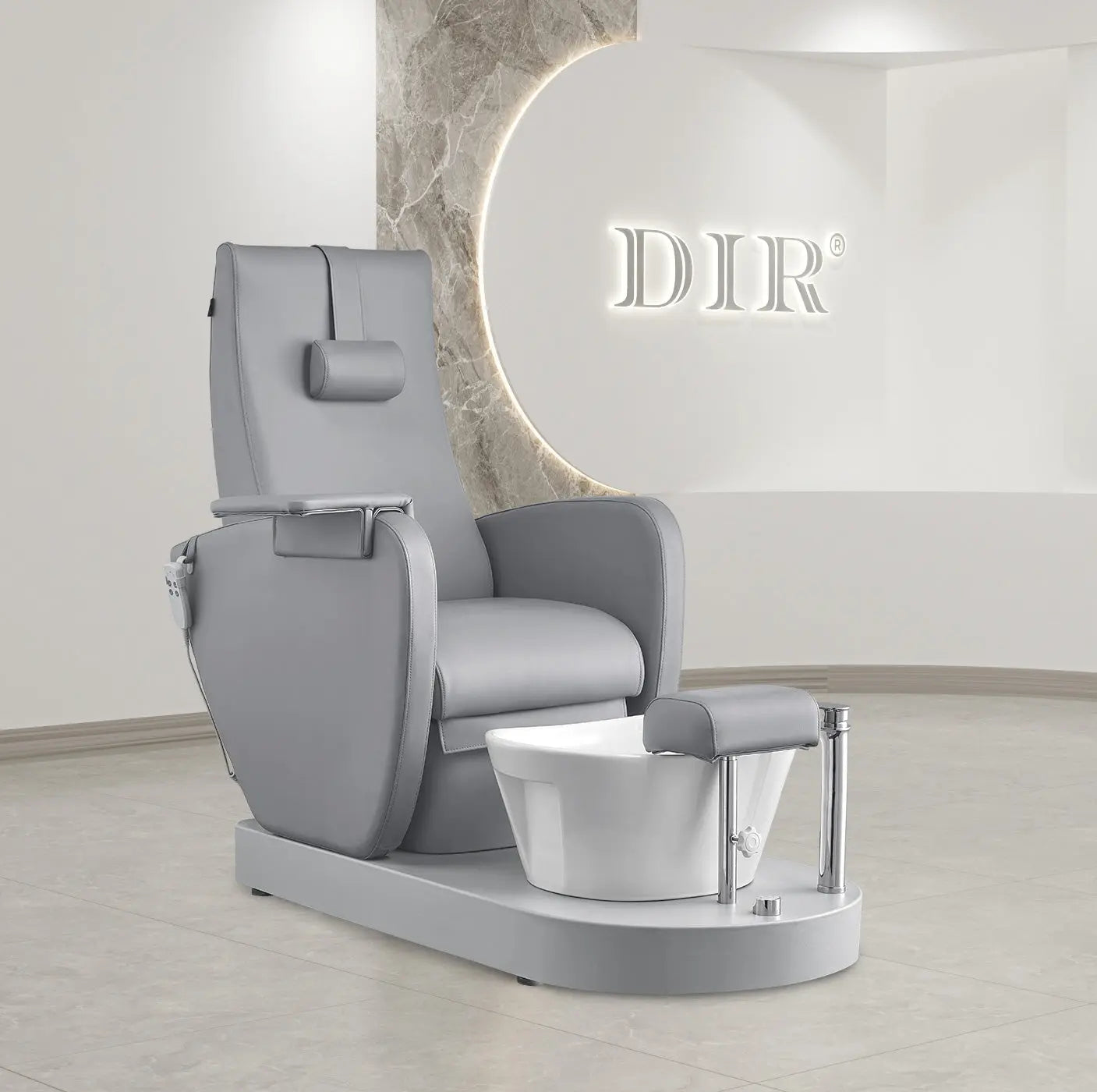
In the evolving beauty and wellness industry of 2025, choosing the right equipment for your beauty salon or spa can significantly impact client satisfaction and operational efficiency. Two essential pieces—beauty beds (also known as beauty couches, treatment beds, or facial beds) and massage tables—often spark debate among professionals. While both provide a surface for treatments, their designs cater to different needs, from facial treatments and skincare on a beauty bed to therapeutic massages on a massage table. Understanding these differences is crucial for estheticians, massage therapists, and salon owners comparing salon equipment before making a purchase. This guide breaks down the key distinctions between beauty beds and massage tables, highlighting features, pros, cons, and recommendations to help you select the ideal option for your space and treatment type.
Understanding the Beauty Bed: A Versatile Salon Staple
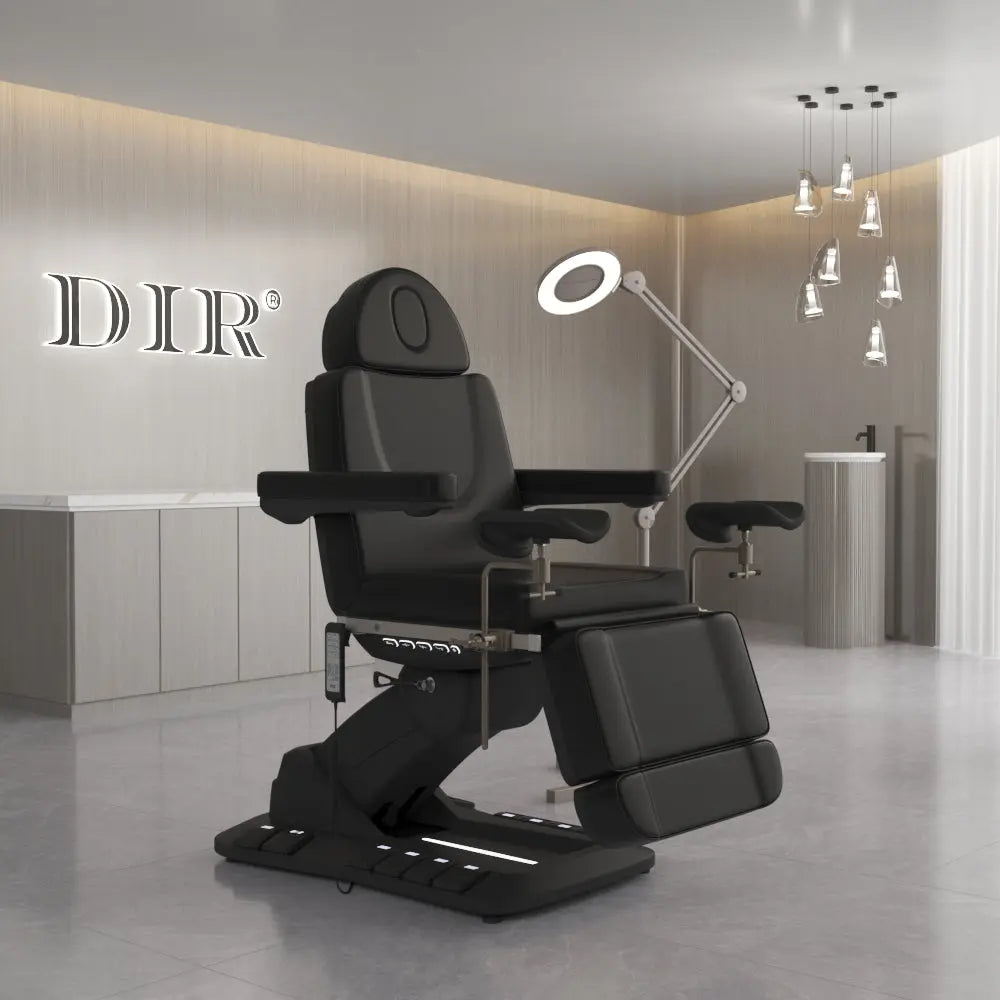
A beauty bed is engineered for multi-purpose use in salons and spas, emphasizing adjustability and client comfort during aesthetic treatments. Typically featuring electric or hydraulic mechanisms, these treatment beds allow seamless height, backrest, and leg adjustments, making them ideal for facials, waxing, lash extensions, or body wraps. In 2025, advanced models like DIR electric facial beds offer motorized controls for precise positioning, often with up to four motors for independent section adjustments. Beauty couches are built with plush, high-density foam padding (4-6 inches thick) and antimicrobial upholstery, ensuring hygiene and durability in high-traffic environments.
Key characteristics include wider designs (around 28-32 inches) for client stability, removable armrests, and a backrest that supports a range of treatment positions. Stationary beauty beds dominate salons, but portable versions exist for mobile services. Prices range from $800 for basic hydraulic models to $3,000+ for premium electric ones, reflecting their robust build and features like heated surfaces or LED integrations. For estheticians, the beauty bed's versatility supports diverse services, reducing the need for multiple pieces of equipment and optimizing space in compact salons.
Exploring Massage Tables: Focused on Therapeutic Use
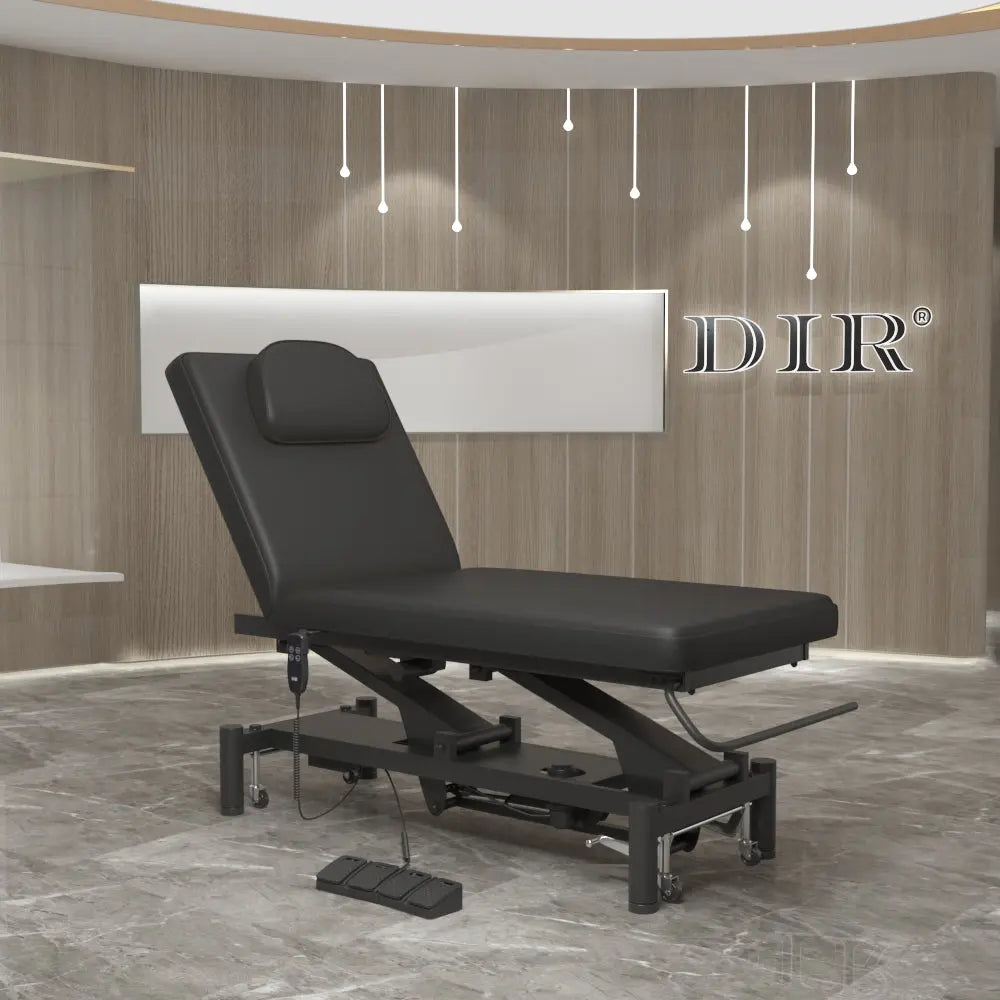
Massage tables, on the other hand, are primarily designed for bodywork, prioritizing portability, stability, and therapist convenience. These tables are often lighter (20-40 lbs) and foldable, making them perfect for mobile therapists or home setups. In 2025, top massage tables feature sustainable wood frames, luxurious materials like memory foam, and customizable options for client sink-in comfort. Unlike beauty beds, massage tables typically lack extensive motorized adjustments, relying on manual or basic hydraulic systems for height changes.
Standard features include face cradles, arm slings, and reinforced frames supporting up to 500 lbs, ensuring safety during deep tissue massages. Stationary massage tables are heavier and more durable for fixed locations, while portable ones suit on-the-go professionals. Costs are generally lower, starting at $200 for entry-level tables and reaching $1,000 for high-end models with extras like carrying cases. Massage tables excel in simplicity and affordability but may not offer the multi-angle tilts needed for facial treatments, limiting their use in full-service salons.
Key Differences Between Beauty Beds and Massage Tables
The core distinctions between a beauty bed and a massage table lie in design, functionality, and application, influencing their suitability for various treatments.
Adjustability and Features
Beauty beds shine in adjustability, with electric models providing smooth, jerk-free movements via multiple motors—ideal for raising clients to therapist eye level during facials. Hydraulic beauty couches require manual pumping but offer reliable lifts without power needs. In contrast, massage tables have limited adjustments, often just basic height or tilt, focusing on flat positioning for massages. Beauty beds include extras like armrests, breathing holes, and storage drawers, while massage tables prioritize portability with foldable designs and carrying bags.
Portability and Durability
Massage tables are champions of portability, easily transported for events or home visits, whereas beauty beds are bulkier and suited for stationary salon use. Durability favors beauty beds in high-volume settings, with steel frames and sealed motors enduring over 100,000 cycles. Massage tables, while sturdy, may wear faster under constant folding, though 2025 models use reinforced alloys for longevity.
Cost and Maintenance
Beauty beds are pricier due to advanced features—electric versions cost more but last longer with minimal maintenance. Massage tables are budget-friendly and easier to maintain, with simple wipes sufficing for vinyl covers. However, beauty couches require occasional motor checks, offset by their hygiene-focused designs like antimicrobial fabrics.
Application in Treatments
For salons offering facials or aesthetics, beauty beds provide the versatility needed for upright or reclined positions. Massage tables work well for body therapies but can double as facial beds with add-ons like armrests. In med-spas, electric beauty beds dominate for their precision, while massage tables suit holistic practices.
Pros and Cons: Beauty Bed vs. Massage Table
Beauty Bed Pros and Cons
Pros: Highly adjustable for diverse treatments, ergonomic for therapists, durable for salons, luxurious client experience. Cons: Higher cost, less portable, requires power for electric models.
Massage Table Pros and Cons
Pros: Affordable, portable, simple setup, comfortable for massages. Cons: Limited adjustability, may lack features for non-massage services, potential for quicker wear in heavy use.
When to Choose a Beauty Bed vs. a Massage Table
Opt for a beauty bed if your salon focuses on aesthetics like facials or waxing, needing multi-functional equipment. Choose a massage table for therapy-centered practices or mobile services, where portability trumps adjustability. In hybrid spaces, massage tables can serve as budget-friendly facial beds with modifications, especially when you need to balance service range and budget.
Top Recommendations for 2025
For beauty beds, the DIR Electric Facial Bed offers superior adjustability. Massage table picks include the DIR Massage customizable model for sustainability. Shop from DIR Store for versatile options.
Conclusion
Understanding the differences between a beauty bed and a massage table empowers you to equip your 2025 salon effectively. Beauty beds excel in versatility and features for aesthetic services, while massage tables prioritize portability and simplicity for therapies. By weighing adjustability, cost, and your treatment type, you'll select equipment that enhances client experiences and boosts efficiency. Explore top models from trusted suppliers today to elevate your space with the perfect beauty couch or treatment bed.