Although electric beauty beds are rapidly becoming a frequent sight in salons and clinics, the issue still begs: are electric beauty beds truly better than manual beauty beds? For years, professionals—in a massage room or a facial studio—have found the traditional beauty bed to be really useful. Technology, however, never stops. The game is beginning to be changed by the emergence of electric beauty beds.
Deciding whether to use electric beauty beds or manual configurations can feel like choosing sides in an argument. Simple and dependable are manual beauty beds. They get the work done and do not need electricity. But electric beauty beds offer a degree of comfort and accuracy that can greatly enhance the salon visit.
It's not about which looks more elegant. This is a discussion on comfort, economy, durability, and long-term worth. Whether you are considering changing your arrangement or are a new owner of a salon, you should be aware of what you are actually getting with each choice.
Understanding Electric Beauty Beds
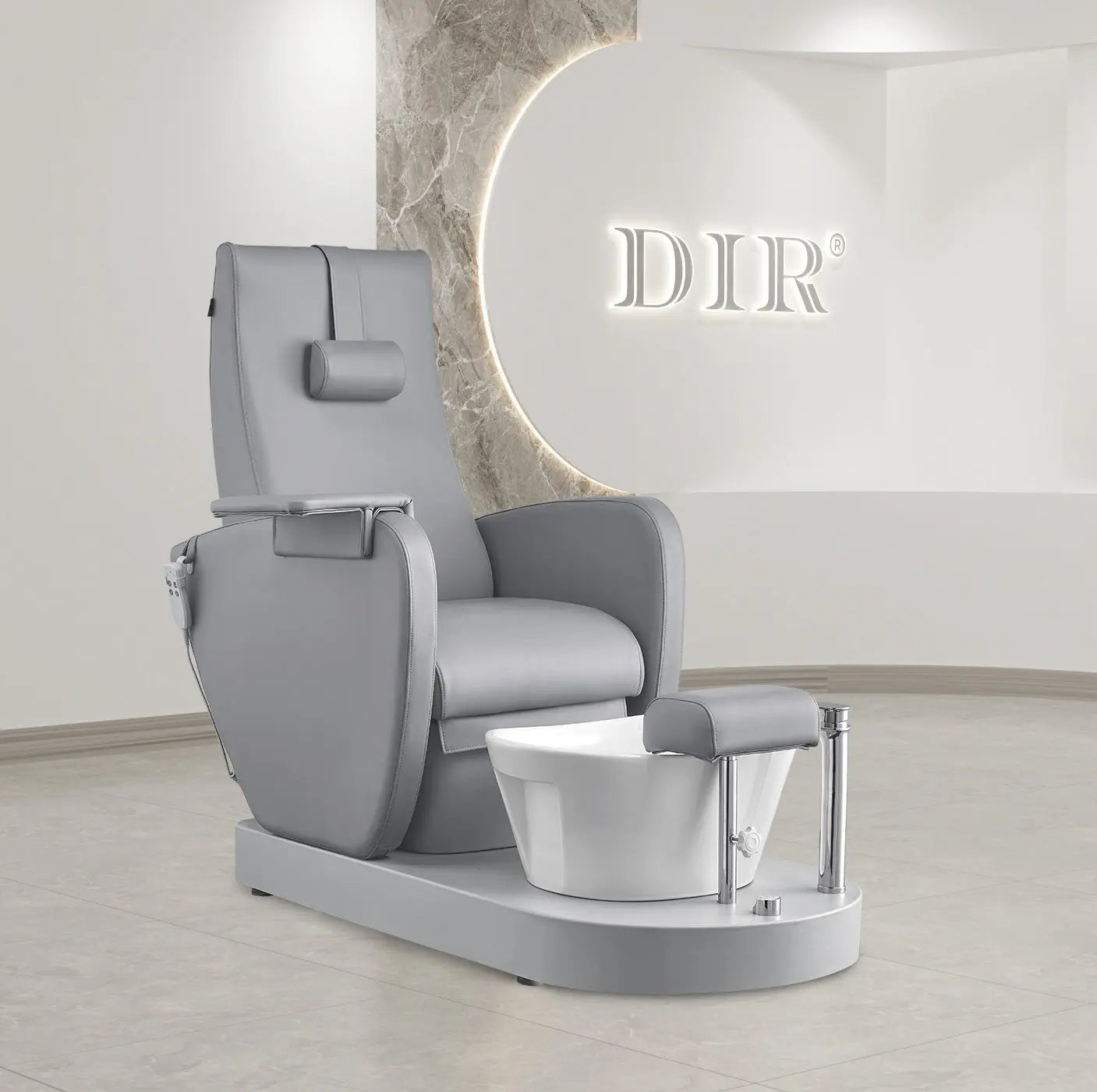
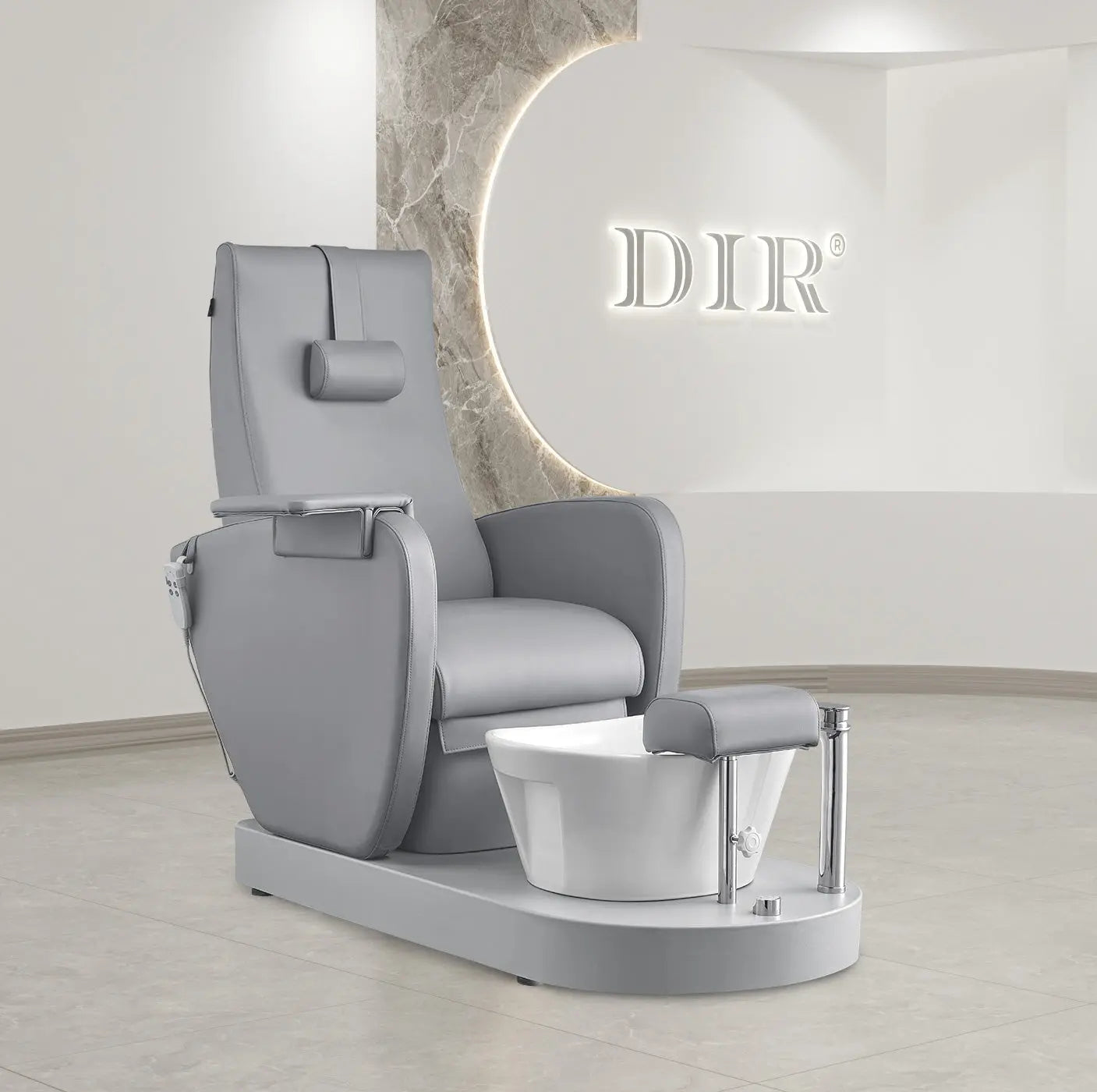
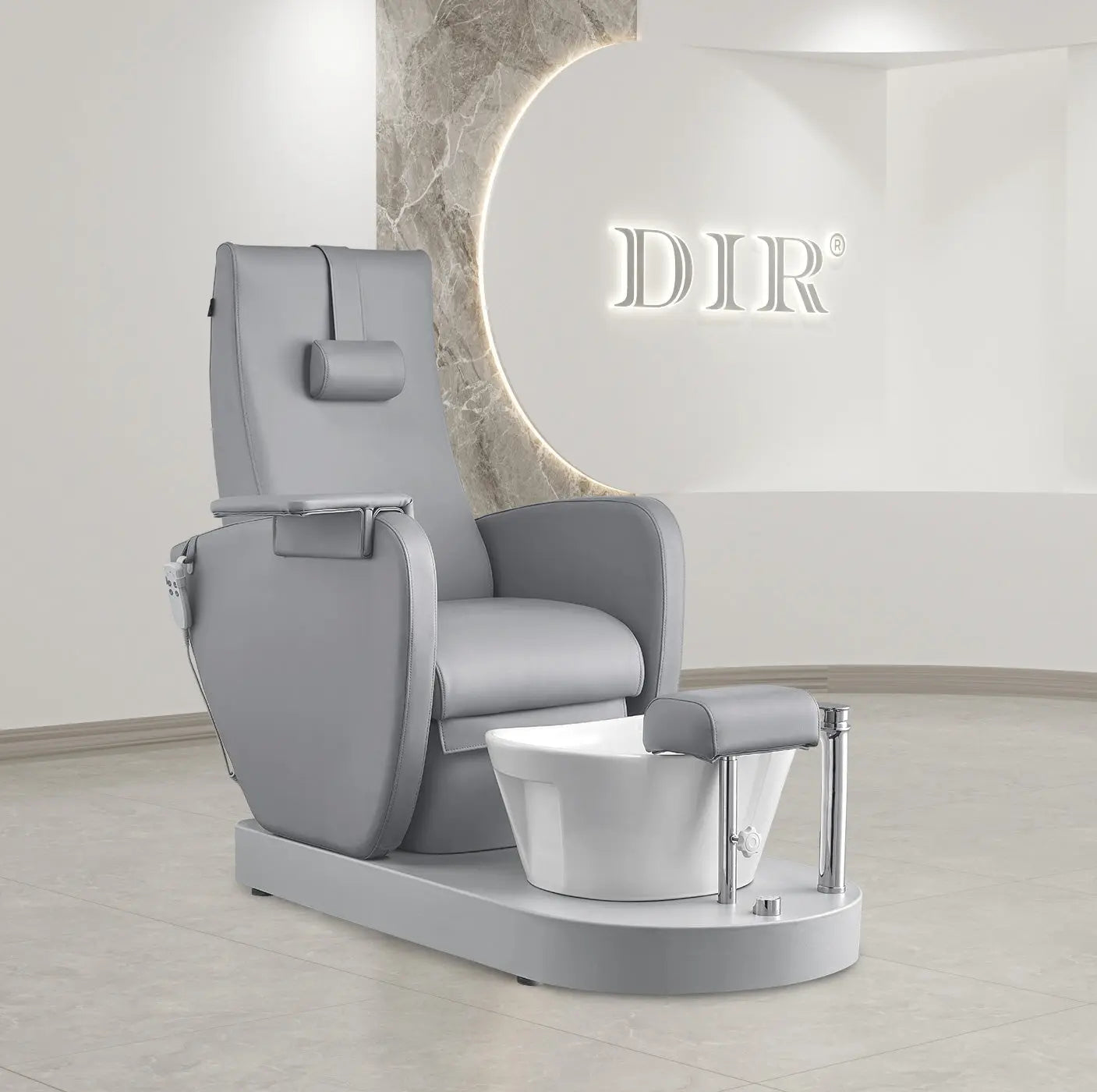
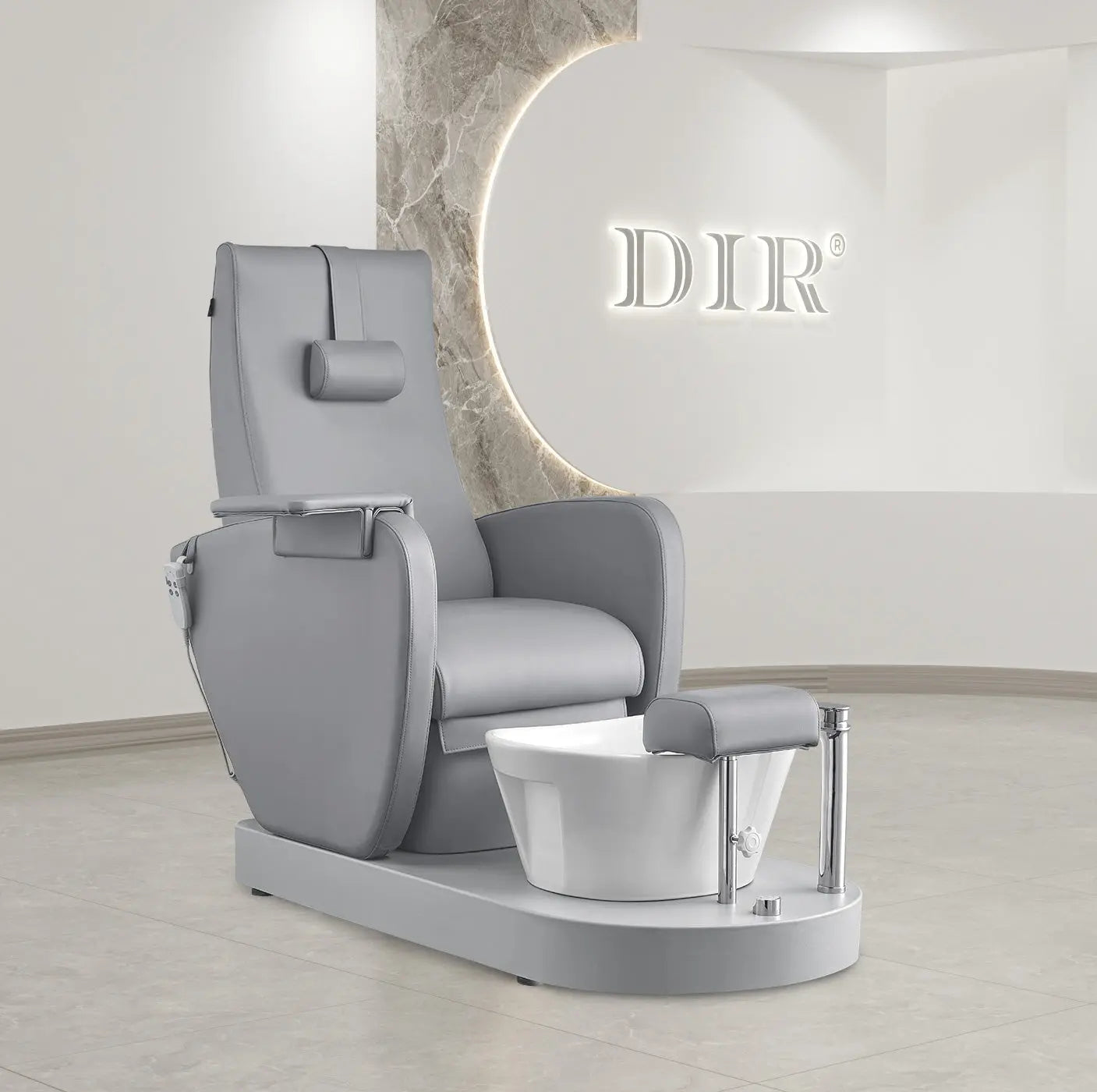
Designed to move seamlessly with just a touch, electric beauty beds often incorporate motorised adjustments for the backrest, tilt, and height. For both the client and the beauty therapist, these beds can be moved into various angles without physical effort, making treatments easier to manage.
The fact that electric beauty beds allow quick and silent changes makes them quite desirable. Imagine dealing with a client who requires a more reclined posture; you can discreetly adjust that without halting the treatment.
A good electric beauty bed may make a basic facial feel more luxurious and spa-like. It provides a smoothness that is difficult to match with a manual or hydraulic beauty bed. Once clients settle into an electric beauty couch, they feel the difference almost right away.
What Makes Manual Beauty Beds Still Relevant?
For many years, salons have turned to manual beauty beds—especially hydraulic beauty beds—for their simplicity. Using foot pedals or levers that let the therapist manually change the height or backrest, a hydraulic beauty bed relies on nothing except electricity, so it is dependable even during blackouts.
The simplicity of a hydraulic beauty bed is its finest feature. Usually lightweight and simpler to move about, it lacks complex wiring. The initial cost is also far lower than electric beauty beds. For many small salons or mobile therapists, a manual beauty bed is still the practical choice.
Manual beauty beds do have drawbacks, though. Sometimes changing positions is clumsy or slow. Additionally, for treatments requiring regular angle changes, the back-and-forth motions can disrupt the session's flow. Electric beauty beds begin to stand out here.
Comfort and Convenience: A Clear Winner
With regard to client comfort, electric beauty beds lead. An electric beauty sofa moves softly and elegantly, far more polished than the stop-start sensation of a hydraulic beauty bed. Longer treatments especially make this more clear. Clients lying on an electric beauty bed can be quickly adjusted without feeling as though they are part of a strenuous lifting programme. Though small, this detail is one that clients remember. This degree of comfort may be the reason people return.
From the therapist's viewpoint, the ease of use of electric beauty beds is unparalleled. Corrections that would have required effort on a manual beauty bed now happen in seconds. For a therapist, this can significantly affect their body strain and energy level over time.
Practical Maintenance and Durability
Maintenance of electric beauty beds is one of the issues salon managers usually bring up. Indeed, there are more components in these beds that can eventually wear out. The motors, wiring, and control panels demand correct maintenance. Modern electric beauty beds, however, are made to last and usually feature good warranties.
Manual beauty beds—including hydraulic beauty beds—have fewer moving parts and generally require less maintenance. Their simplicity and ease of cleaning help to explain why they have remained popular in many places. Electric beauty beds can also save time during a hectic day. Reducing the effort required to change positions helps to ensure that treatments go according to plan and without errors.
Space and Power Considerations
Generally speaking, electric beauty beds occupy somewhat more room than manual beauty beds. They also should be close to a power outlet. For salons with tight space layouts, this can be challenging. Conversely, manual beauty beds are more portable, which is fantastic for areas requiring flexibility. However, an electric beauty sofa will work perfectly for salons without regular movement of their beds, provided the area is designed properly.
Some salon proprietors worry about what occurs during blackouts. Although this is a reasonable issue, most electric beauty beds are still manually adjustable in case of need. And in well-run salons, these kinds of circumstances hardly ever create problems.
The Client’s Perspective
Clients may not always know whether they are lying on a hydraulic or an electric beauty bed. They will be aware of the difference in how quickly and smoothly they can be repositioned, though. That extra layer of comfort that a beauty bed electric system provides can help set a salon apart.
Clients feel well taken care of when they have silent adjustments, easy height changes, and smooth reclining. Building trust and encouraging return visits depend on this in great part. Though they won't discuss the technical specifics, clients will remember how relaxed they felt. More often than many might think, the beauty bed is integral to that recollection.
Electric Beauty Beds Bring Future-Proofing
Changing to electric beauty beds is about getting ready for the future, not only about right now. Providing modern, comfortable configurations will help a salon seem current and ahead of its time as customer expectations rise and salon competition increases.
The long-term advantages go beyond initial comfort. Electric beauty beds can help therapists avoid injuries connected to their jobs. They can make treatments flow more naturally and lessen the physical strain on staff. Especially in salons with hectic schedules, this is more important than most people realise. Although a beauty bed electric system is more expensive initially, the return in customer happiness, staff welfare, and better operations can be well worth the money.
Conclusion
When one compares electric beauty beds to manual models, one finds a clear shift in the direction of the industry. Better customer comfort, easier adjustments, and long-term advantages that manual beds just cannot match come from electric beauty beds. Manual and hydraulic beauty beds are still in demand, particularly for salons seeking simple, reasonably priced solutions. But when it comes to creating a smooth, contemporary experience, electric beauty beds are setting the benchmark.
For a closer look at a great range of beauty bed options, visit DirStore to explore electric beauty beds that can fit a variety of salon spaces.