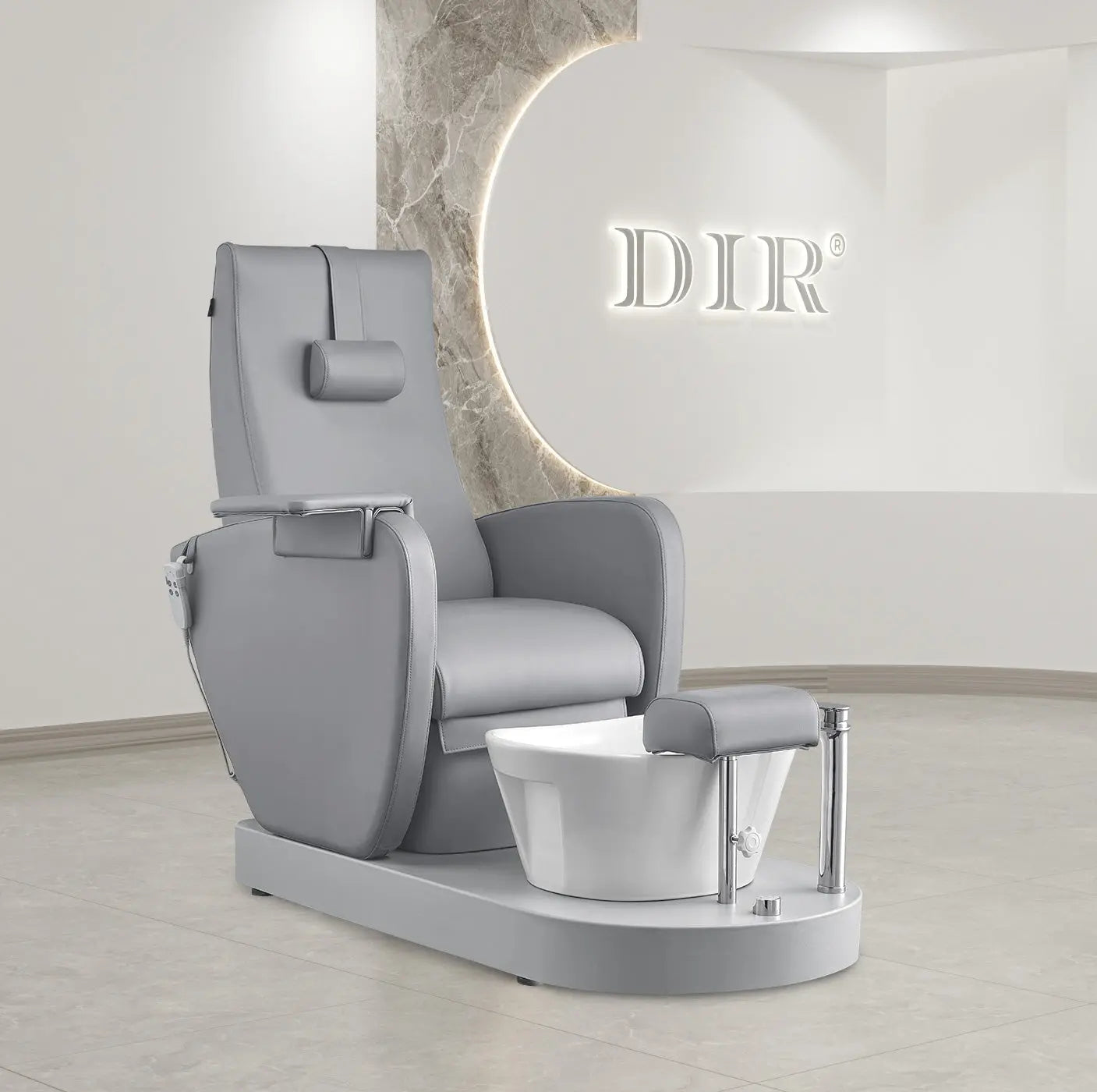
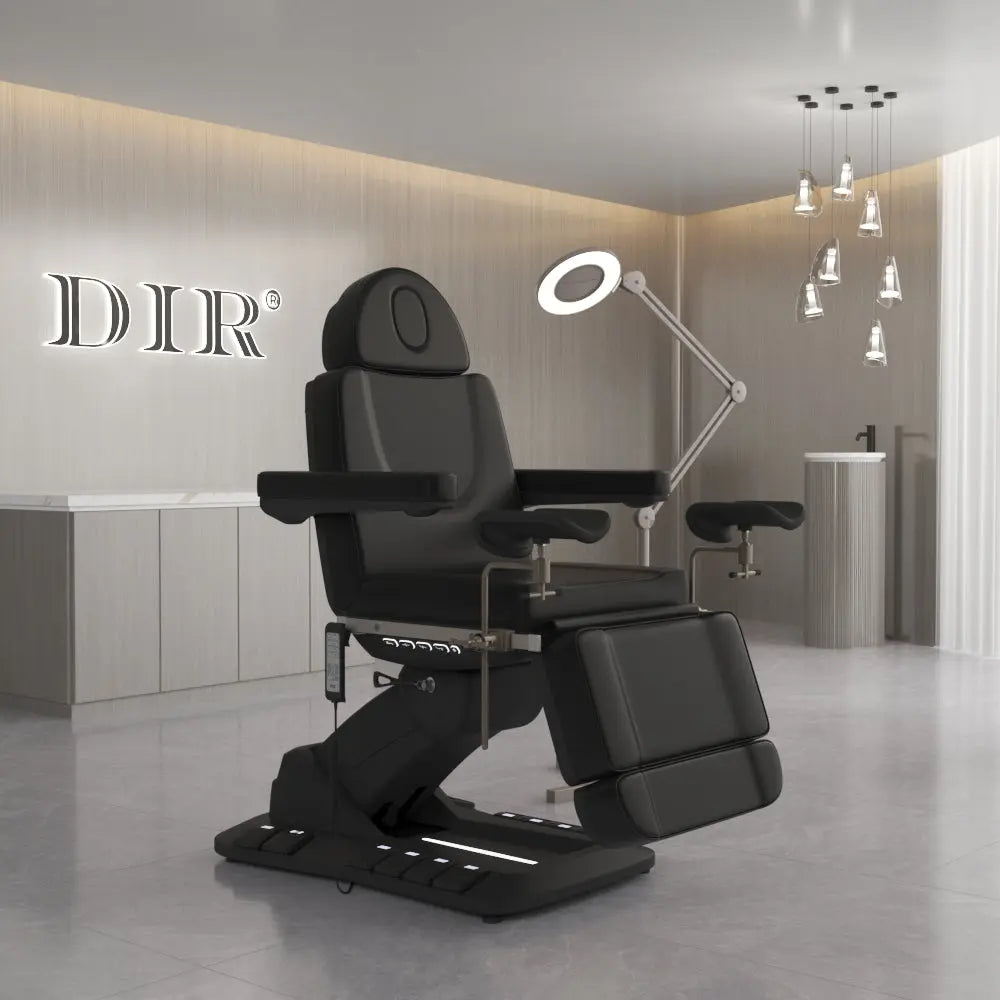
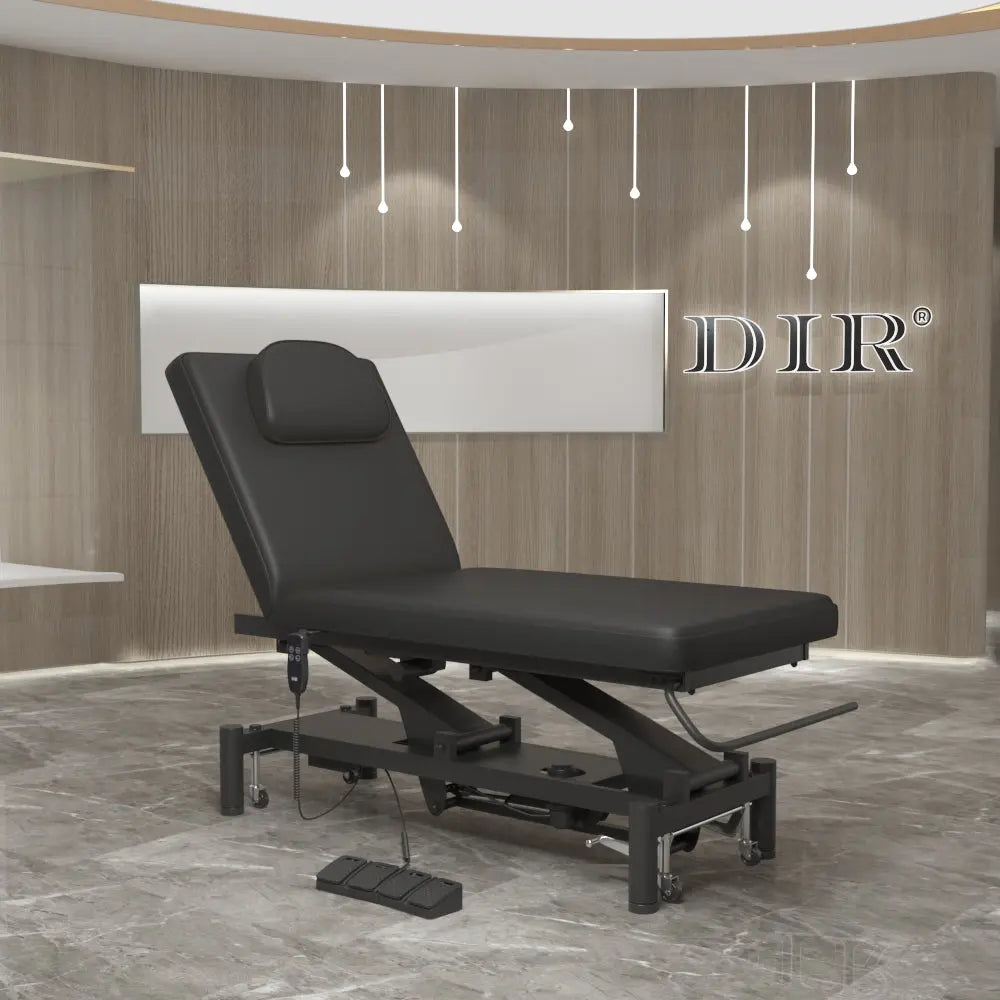
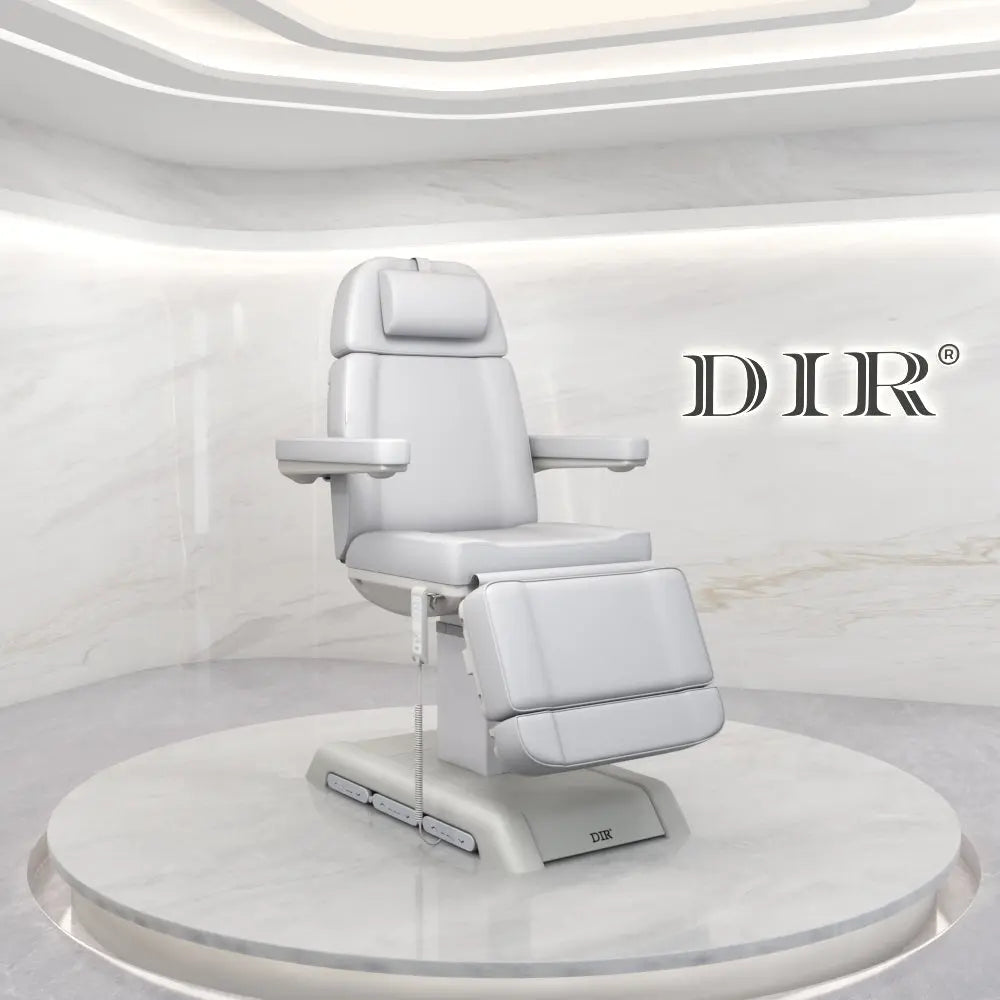
In the evolving landscape of cosmetic beauty equipment, the cosmetic surgery table—also known as a surgery bed or beauty treatment bed—plays a pivotal role in facilitating minimally invasive procedures (MIPs). As of August 2025, with the surge in demand for non-surgical enhancements like beauty and dermal fillers, these specialised tables are no longer just furniture; they're integral to precision, client experience, and procedural efficiency. This article delves into how cosmetic surgery tables enhance MIPs, highlighting precision features that support safe and effective beauty treatments.
Understanding Minimally Invasive Procedures in Cosmetics
Minimally invasive procedures, including beauty for wrinkle reduction and dermal fillers for volume restoration, have revolutionised the beauty industry. These beauty treatments involve precise work with minimal incisions, offering results with little downtime—often under an hour. Unlike traditional surgery, MIPs like lip augmentation or facial contouring rely on accuracy to avoid complications such as bruising, asymmetry, or nerve damage.
The cosmetic surgery table serves as the foundational platform, enabling practitioners to position patients optimally for targeted access. In outpatient settings, where most MIPs occur, a well-designed beauty treatment bed minimises risks by providing stability and ergonomic support. For instance, during treatments targeting specific facial muscles, the table's adjustability allows for head elevation to reduce swelling and improve visibility. Similarly, for fillers in areas like the cheeks or lips, the bed's tilt function aids in gravity-assisted placement, enhancing natural-looking results. As procedures grow in popularity, the role of reliable cosmetic beauty equipment cannot be overstated.
Beauty Beds and Precision Features for Treatment Efficacy
Modern cosmetic surgery tables are engineered with precision features that directly support MIPs. Electric models, equipped with 2-5 motors, offer seamless adjustments in height, backrest, footrest, and tilt—up to 80° recline and 120° rotation—allowing practitioners to fine-tune patient positioning without disruption. This is crucial during treatments where even a slight misalignment can lead to uneven distribution.
Key precision elements include:
- Multi-Motor Systems and Remote Controls: Quiet, smooth motors with hand or foot remotes enable real-time adjustments, reducing practitioner fatigue during repeat beauty treatments. These features are especially useful for a mobile therapist who needs flexibility between appointments.
- Ergonomic Design and Stability: Reinforced steel frames supporting up to 1,000 lbs ensure no wobbling, vital for outpatient MIPs where patient movement could cause errors. Features like lockable casters and anti-tipping bases help clinics maintain secure treatment setups and support easy transport between rooms.
- Integrated Accessories: Built-in magnifying lamps, UV cabinets, and storage trays keep tools accessible, streamlining workflows for combined treatments like beauty with chemical peels. Antimicrobial upholstery, often beauty-grade faux leather, facilitates quick sanitisation and easier cleaning during treatments, reducing infection risks after procedures.
These features not only boost precision but also patient comfort, with high-density memory foam minimising discomfort during extended sessions. Well-designed equipment can improve procedural efficiency, allowing for more clients daily without compromising quality.
Safety Standards and Compliance in Outpatient Settings
Safety is paramount in MIPs, where complications like bruising or erythema are common but preventable with proper equipment. Cosmetic surgery tables must adhere to rigorous standards, especially in outpatient facilities. CE certification ensures compliance with EU beauty Devices Regulation (MDR), focusing on electrical safety, mechanical stability, and risk management. In the U.K. and wider Europe, reliable clinic furniture should also support hygienic workflows and easy transport between treatment rooms where needed.
For outpatient cosmetic procedures, accreditation by bodies like AAAASF or the Joint Commission requires tables to meet strict hygiene and operational criteria, including smooth, washable surfaces and emergency protocols. Features like safety rails and quick-release mechanisms address perioperative risks, aligning with WHO Surgical Safety Checklists tailored for aesthetics. In 2025, with the rise of office-based surgeries, compliant tables reduce adverse events, as evidenced by comparative studies showing lower complication rates in accredited settings.
Benefits and Trends in 2025
Investing in advanced cosmetic beauty equipment yields tangible benefits: enhanced client satisfaction, with better experiences from comfortable setups, and improved practitioner posture to prevent burnout. Trends for 2025 emphasise minimally invasive dominance, with a shift toward "less filler, more precision" via tech like AI-assisted positioning and sustainable materials. Procedures like skin boosters and preventative aesthetics benefit from customizable tables, supporting holistic beauty approaches.
Market growth, driven by social media and acceptance across ages, projects increased demand for versatile beauty beds. Professionals note that precision features correlate with higher retention, as clients value safe, natural results.
Best Practices for Maintenance and Use
To maximise efficacy, follow daily cleaning routines: wipe with mild disinfectants, focusing on high-contact areas, and conduct weekly inspections for wear. Train staff on protocols to ensure compliance, and integrate with other tools like skincare machines for seamless MIPs. For mobile therapist services, choose easy transport options with durable casters and practical storage to support flexible appointments and fast room changes.
Conclusion: Elevating Cosmetic Care with Precision Equipment
The cosmetic surgery table is indispensable in minimally invasive procedures, providing the precision and safety needed for treatments like fillers and beauty. As 2025 unfolds, embracing advanced features in beauty treatment beds will not only mitigate risks but also elevate client outcomes and practice efficiency. For professionals in cosmetic beauty equipment, selecting compliant, feature-rich tables is key to thriving in this dynamic field. Explore certified options from DIR Store today to transform your procedures.