Accessibility is a quiet but genuine problem in many beauty shops and treatment rooms that people don't always notice. Not every customer who comes in moves the same way, feels the same way, or can comfortably get into a regular salon chair or beauty sofa. What should be a pleasant treatment can become uncomfortable or even unsafe for disabled people. An electric beauty couch makes a big difference here.
This article explains how an electric beauty sofa isn't only a nice thing to have; it's also a practical step towards accessibility in salons and a more inclusive service for everyone. Here's why this piece of equipment deserves more attention, from comfort to everyday function.
Understanding the Problem: Limited Accessibility in Traditional Hair Salons and Treatment Rooms
Let's start with what a lot of hair salons and beauty spaces don't have: the ability to change. Clients who use wheelchairs, walkers, or have trouble moving around often find it challenging to get on and off traditional beauty couches or salon chairs since they are fixed-height, cumbersome, and hard to use safely. Without adjustable features, salon workers may have to physically help clients into position, which can be uncomfortable for both clients and staff.
Think of a client with a disability coming in for a massage or facial. They can have trouble getting on the couch if it is too high. If it doesn't move, they're left in a position that could cause pain or strain. Not only does this make the experience worse, but it can also suggest that the space is not truly accessible for people with disabilities. This lack of flexibility isn't just annoying; it can feel exclusionary.
What Makes an Electric Beauty Couch Different?
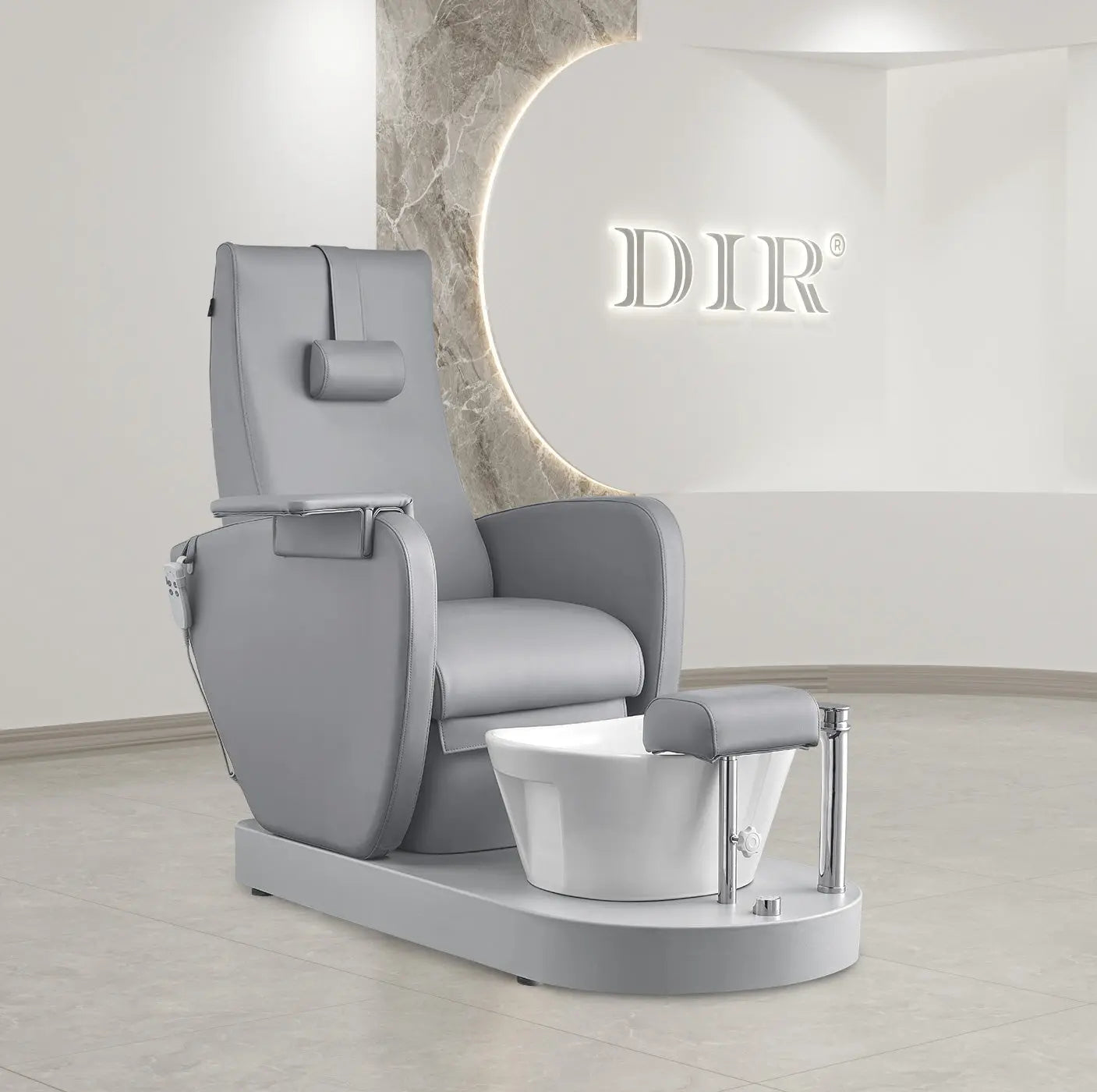
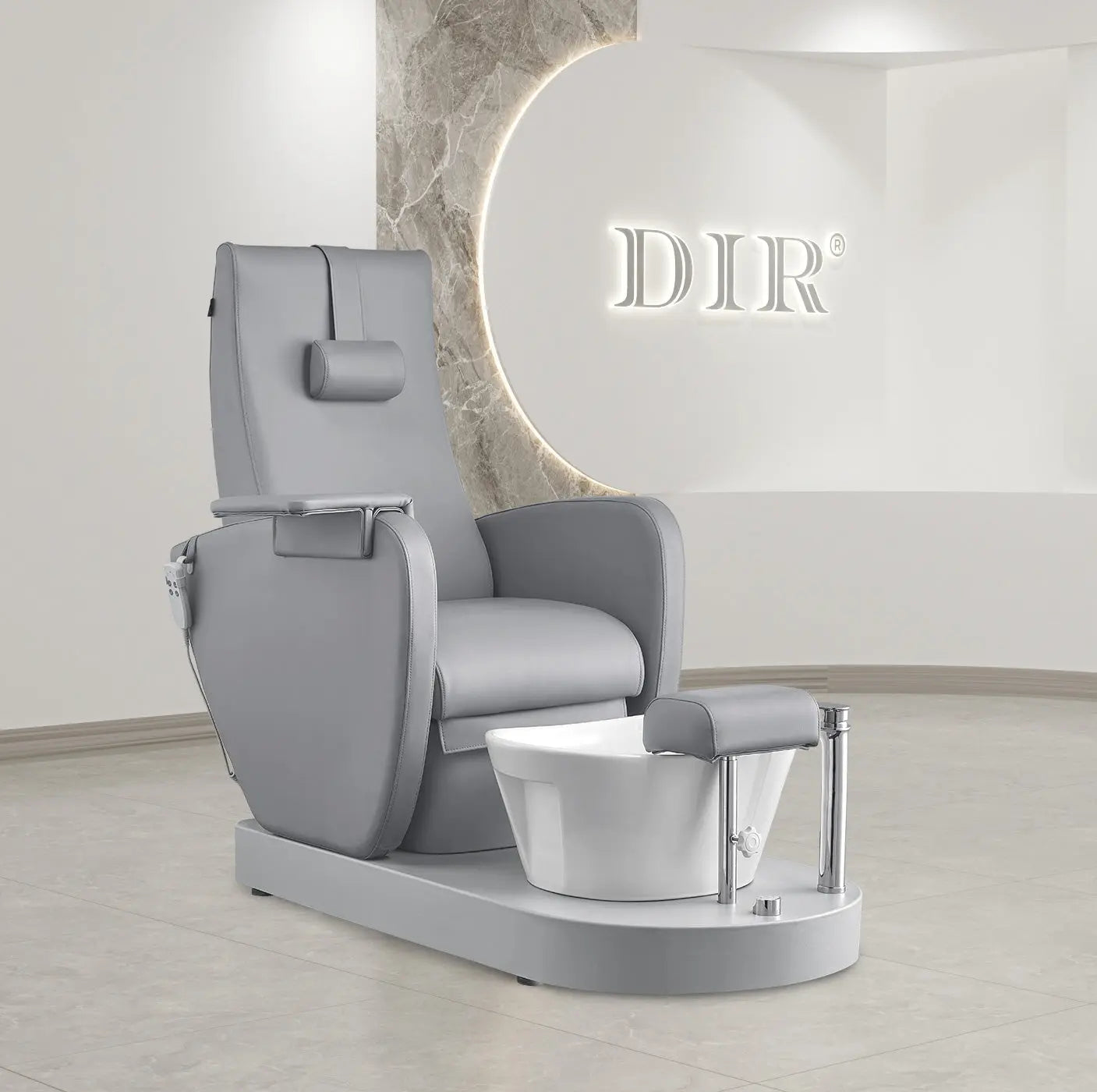
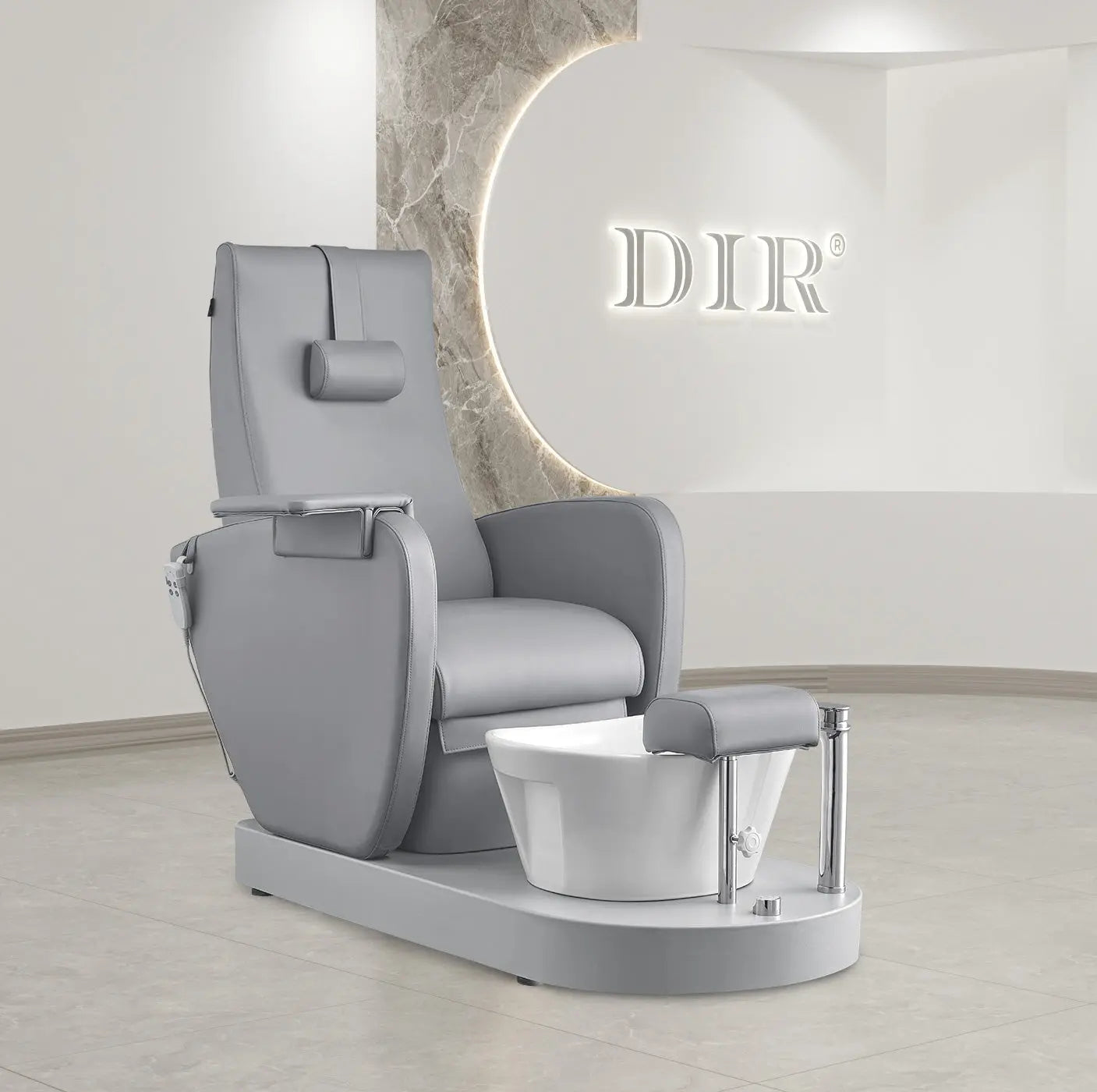
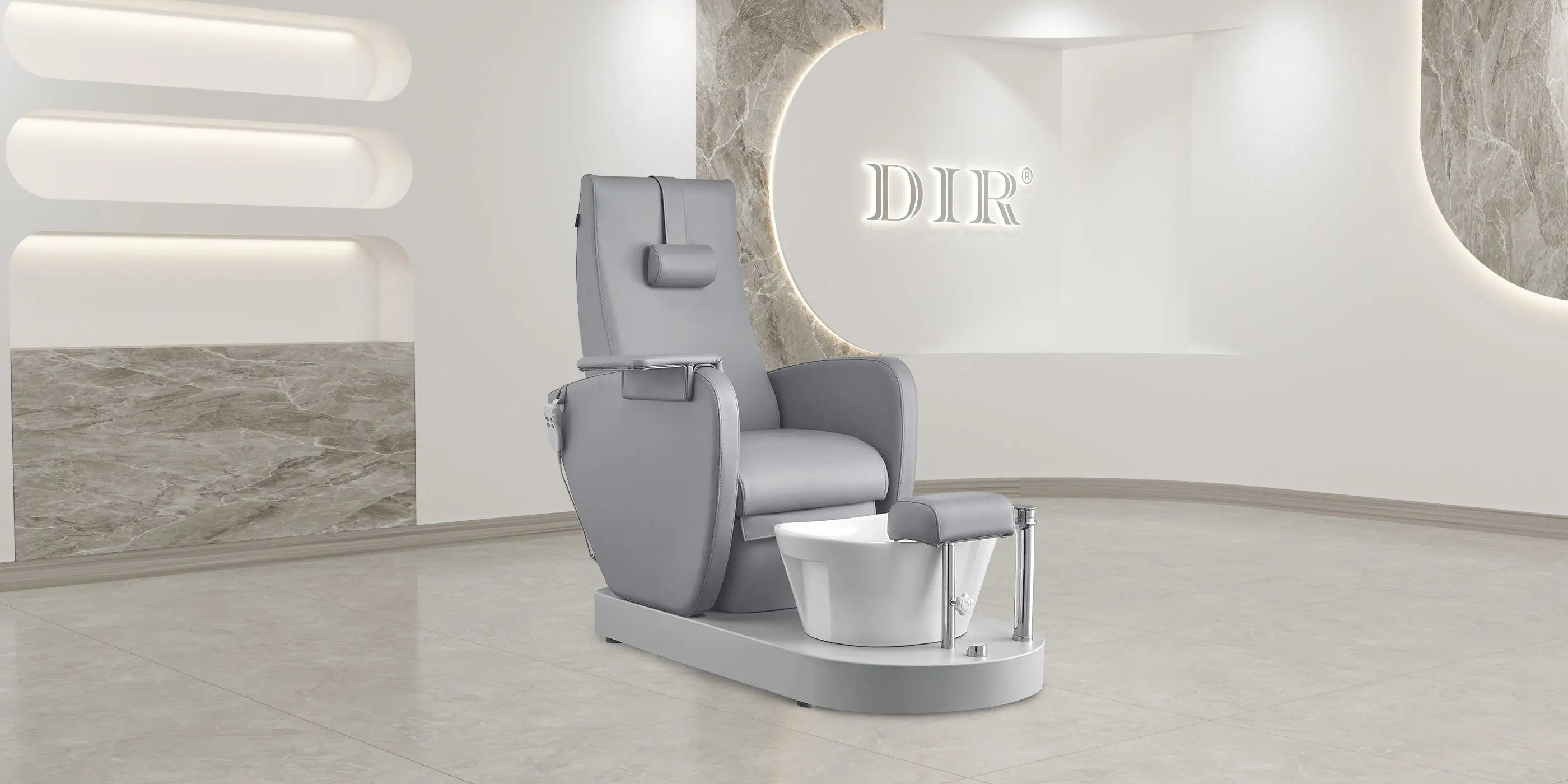
Smart elements built into the design of an electric beauty couch fix a lot of these problems. These sofas are different from regular beauty chair beds because they include motorized height and backrest adjustment. That means the couch may be lowered closer to the floor, which makes it easier for people with disabilities, including those in wheelchairs or with restricted mobility, to get in and out of the couch.
You can gently lift the couch to the right height for the practitioner after the client is on it. This helps reduce the risk of strain for both the client and the beauty therapist. You can usually make these changes with a foot pedal or remote control, which keeps the experience smooth and quiet without drawing attention or making clients feel uncomfortable.
But being able to get on and off the couch isn't the only thing that matters. Comfort is also very important throughout treatments. Electric beauty beds often include superior cushioning, headrests that support the head, and the ability to be positioned at different angles. All of these things may help people with joint pain, scoliosis, or muscular stiffness feel relaxed and supported throughout longer sessions.
Independence, Dignity, and Client Experience
Now, look at this from the point of view of the client. Being independent is incredibly important, especially for someone who has to cope with physical challenges every day. It may seem like a tiny thing to be able to get on a beauty sofa without help, but it gives you a strong sense of control. Clients can easily position themselves on an electric beauty couch. No awkward lifting. No therapist struggling to help them up. Just a gradual change and a treatment that starts with respect.
This shift in experience might not only make things more comfortable, but it can also improve customer loyalty. People are much more inclined to come back if they feel respected. That's why clinics and salons that use electric beauty beds tend to attract a wider range of clients who are more committed.
Practical Benefits for the Therapist Too
This article is mostly about how clients feel; however, therapists also benefit from using an electric beauty sofa. Changing your posture all the time to fit a salon chair that is always the same height might hurt your back, neck, and wrists over time. But with electronic controls, you can adjust the working height with a tap, which lowers the possibility of repetitive strain injuries.
Because it's so easy to use, appointments can also go more smoothly and quickly. You don't waste time trying to make someone feel better or coming up with new ways to use cushions and props. For everyone, everything just works better.
Real Stats That Show It’s Worth It
Accessibility isn't just a small problem; it affects millions of people. More than 16 million people in the UK have a disability. That's almost one out of every four people. According to a survey by Scope UK in 2022, 66% of disabled adults stay away from some stores and services because they are hard to access. That is a huge part of the population that could benefit from something as simple as an electric beauty couch.
The British Association of Beauty Therapy and Cosmetology (BABTAC) also found that 84% of therapists who switched to electric beauty beds saw a big increase in client satisfaction. That's not simply a nice-to-have feature; it's a way to improve the long-term value of your salon.
How to Make Salons More Accessible for People with Disabilities
An electric beauty couch is one important step, but inclusive practices in salons usually work best when the whole environment is considered. Clear entryways, enough space to move a wheelchair, and seating that is easy to use all help create a welcoming environment. Staff should also be ready to adjust their approach, speak clearly, and offer support without making assumptions.
For some clients, accessibility is not only about physical movement. People with cognitive impairments may also need simple explanations, calm communication, and a predictable appointment process. Small adjustments like these can make a salon more accessible to people with different needs and improve the overall experience for clients and staff.
The Legal Obligation to Support Inclusive Service
For UK businesses, accessibility is also linked to the equality act and the legal obligation to make reasonable adjustments for disabled people. That means hair salons and clinics should think carefully about whether their layout, equipment, and service style are accessible to people who may need extra support. An electric beauty couch can be one practical part of meeting that responsibility.
The aim is not just compliance. It is to create a space where people feel welcome, respected, and able to book services with confidence. When salons take inclusive service seriously, they show that accessibility is part of good customer care, not an afterthought.
The Long-Term Value for Salons and Clinics
Yes, an electric beauty bed may cost more up front than a regular beauty chair or a fixed beauty couch. But what it gives back—happier clients, more diversity, and less physical strain for staff—is more than worth it in the long term.
Also, a lot of new electric beauty beds are made to last. They are safe since they have anti-crush systems and locking wheels, and they are easy to clean and may be used every day. These couches make it very clear that your space is for everyone in a business where comfort, trust, and professionalism are vital.
Small Change, Big Impact
Buying an electric beauty couch is more than just a way to look better. It's a sign that your salon or clinic treats all of its clients the same, no matter what their health is like. It's about breaking down silent barriers and making self-care feel secure, accessible, and dignified for everyone who comes in. Clients pay attention to the little things. And they come back when they feel seen and taken care of.
Conclusion
In the end, every salon or spa aims to make customers feel good. But if someone can't easily get to your services, the message is clear, even if you didn't mean to send it. Getting an electric beauty couch is a great way to make your room more welcoming, respectful, and useful for everyone. This shift is worth it, both morally and financially, whether you're renovating your treatment room or starting a new salon.
Explore high-quality, accessible solutions at the official DIR website.