Choosing a physiotherapy treatment bed with the right features can make all the difference in delivering effective, high-quality care in your clinic. Physiotherapy treatment bed features affect patient comfort, therapist convenience, and the range of treatments you can offer. Understanding which aspects matter—from adjustable height controls to durable upholstery—helps healthcare professionals invest in a therapy table that suits their specific needs and supports better treatment outcomes. In this article, we’ll detail the critical features to evaluate and practical tips for choosing the right physiotherapy treatment bed for your practice.
Key Physiotherapy Treatment Bed Features to Consider
Adjustability and Functional Design
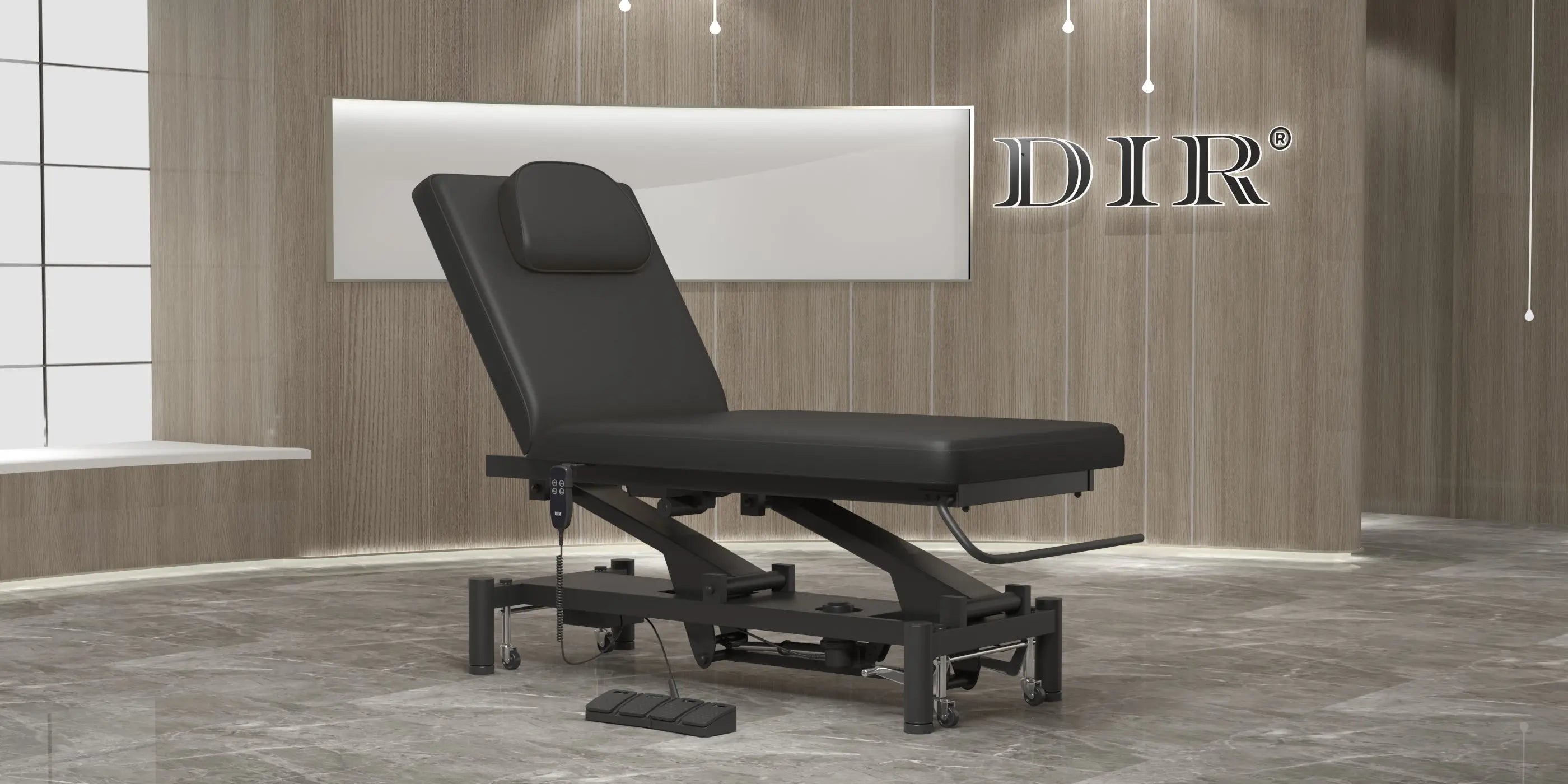
A physiotherapy treatment bed should offer excellent adjustability to accommodate various treatments and patient needs. Common adjustable components include height adjustment, backrest, head section, leg sections, and tilt angles. Electric or motorized controls provide smooth transitions between positions and reduce physical strain for manual therapists, especially in busy clinics.
Comfort and Support
High-density foam padding combined with ergonomic design promotes patient comfort during longer sessions. Beauty-grade vinyl upholstery is essential not only for comfort but for cleanliness and durability—it resists oils, sweat, and cleaning agents typically used in physiotherapy clinics and is easy to clean between patients.
Durability and Build Quality
Frame Materials and Weight Capacity
Look for therapy tables constructed with high-gauge steel or reinforced aluminium for sturdy support. A solid frame reduces wobble during manual therapy and ensures safety for heavier patients. Weight capacities of at least 200kg are standard, with some models supporting even more for bariatric use.
Upholstery and Finishing
Premium treatment beds use fire-retardant, waterproof, and antimicrobial vinyl coatings that are easy to disinfect, helping maintain hygiene standards. Seamless, tear-resistant upholstery extends lifespan in high-use environments and makes daily cleaning simpler for healthcare professionals.
Movement Systems: Manual vs. Electric
Advantages of Electric Mechanisms
Electric physiotherapy treatment beds with quiet motors allow rapid and precise repositioning at the press of a button. This reduces therapist fatigue and improves workflow efficiency. Features such as programmable preset positions and foot or hand remotes enhance usability and make height adjustment more convenient.
When Manual Systems Suffice
Manual or hydraulic beds are budget-friendly alternatives that can still perform well, particularly in settings with less frequent adjustments or where power availability is limited. They require more physical effort but remain reliable for many applications and can be a sensible long-term investment for smaller practices.
Additional Functional Features Beneficial to Clinics
Mobility and Safety Features
- Lockable casters for easy bed repositioning and secure placement.
- Non-slip brakes to prevent unwanted movement during treatment.
- Sturdy side rails or removable armrests to improve patient safety and accessibility.
Accessory Compatibility
Many therapy tables support add-ons like headrests with breathing holes, leg supports, and bolsters to increase patient comfort and customise treatment positions.
Explore electric treatment bed options with remote controls for enhanced functionality, such as this well-equipped electric physiotherapy couch offering multi-motor control and easy adjustment.
Matching Bed Features to Your Clinic’s Needs
Assessing Patient Demographics
Consider the typical patient base your clinic serves. For example, elderly or mobility-impaired patients benefit from beds with smooth electric height adjustment and wider upholstery, while sports therapy clinics may prefer multi-sectional therapy tables with flexible positioning options.
Therapist Workflow and Space Constraints
Efficient workflow necessitates beds that minimise manual adjustments. Compact, mobile treatment beds can be vital in smaller clinics, ensuring space optimisation without sacrificing functionality.
For clinics needing reliable multi-purpose beds, the multi-motor physiotherapy massage couch offers versatility that matches high patient turnover while maintaining patient comfort.
Maintenance and Hygiene Considerations
Cleaning and Upholstery Care
Choose therapy tables with easy-to-clean surfaces and tear-resistant materials to adhere to hygiene protocols. Regular cleaning with compatible disinfectants will extend the life of your bed and keep your clinic safe.
Routine Maintenance
Schedule periodic checks on motors, hydraulics, and mechanical parts to avoid downtime. Quality beds often come with warranty and service options to support long-term upkeep.
Where to Find Quality Physiotherapy Treatment Beds
When choosing the right supplier, prioritise those offering comprehensive product information, strong after-sales support, and a range that fits your budget and clinical requirements. You can find reliable options like the VitalEarth physiotherapy treatment massage bed that combines quality construction with affordability.
Choosing the right physiotherapy treatment bed features—from adjustability and durability to mobility and maintenance—ensures your clinic delivers professional, comfortable, and safe care. By assessing your clinical needs and patient demographics carefully, you can identify a bed that supports efficiency and enhances therapeutic outcomes. To explore a curated range of premium physiotherapy beds designed specifically for modern clinics, learn more about our offerings and find the perfect match for your practice.