In the evolving UK beauty and wellness sector of 2025, upgrading from manual to electric beauty beds is transforming clinic operations, enhancing therapist efficiency, and elevating client satisfaction. The UK beauty market continues to thrive, with the cosmetics segment projected to grow at a CAGR of 3.88% from 2025 to 2034, reaching USD 18.51 billion. The broader beauty and personal care retailing sector is forecast to expand over 16% in the coming years, driven by consumer demand for premium, personalised treatments. Clinics across London, Birmingham, and Manchester are increasingly adopting electric beauty beds and couches—also known as treatment beds or beauty salon beds—to meet these demands, as manual models can fall short in busy, multi-service environments.
Manual beauty beds, often hydraulic or stationary, have served clinics well for basic needs, but electric upgrades offer precision, reduced strain, and versatility. Industry insights show that switching to an electric beauty bed can increase work speed by up to 15-20%, allowing for more appointments and better staff wellbeing. In 2025, with trends emphasising ergonomic tools and sustainability, this upgrade aligns with the UK's beauty industry's growth, where consumer spending hit £32.4 billion in recent years. This guide compares manual vs. electric beauty beds, outlines upgrade benefits, and recommends top models for UK clinics to make informed decisions in a competitive market.
Understanding Manual vs. Electric Beauty Beds in UK Clinics
Manual beauty beds, typically hydraulic with foot-pump adjustments, are affordable and reliable for simple treatments like facials or waxing. They start at £300-£500 and require no electricity, making them suitable for startups or low-volume clinics. However, they demand physical effort for changes, leading to therapist fatigue and slower sessions—issues exacerbated in high-traffic UK clinics.
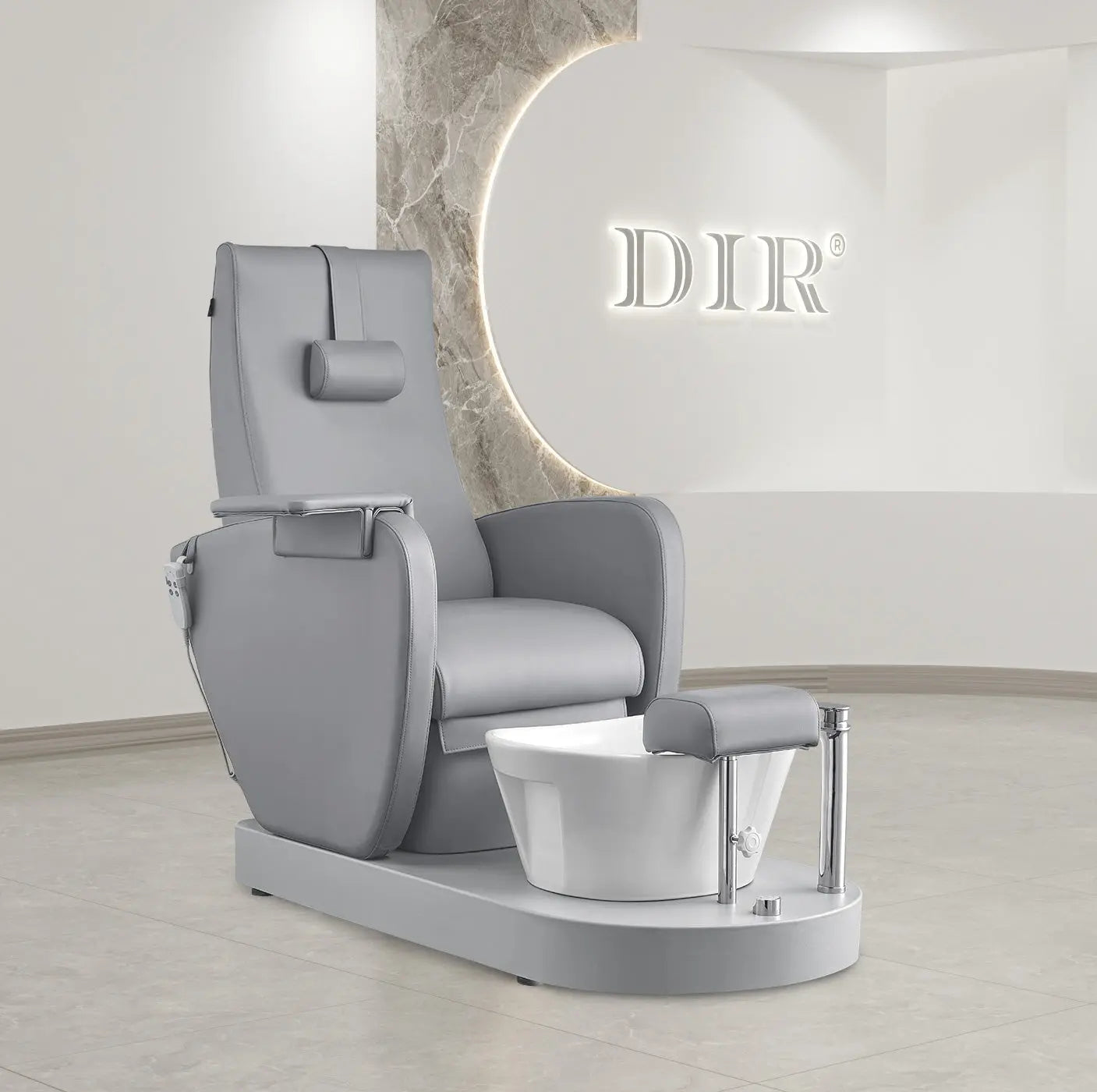
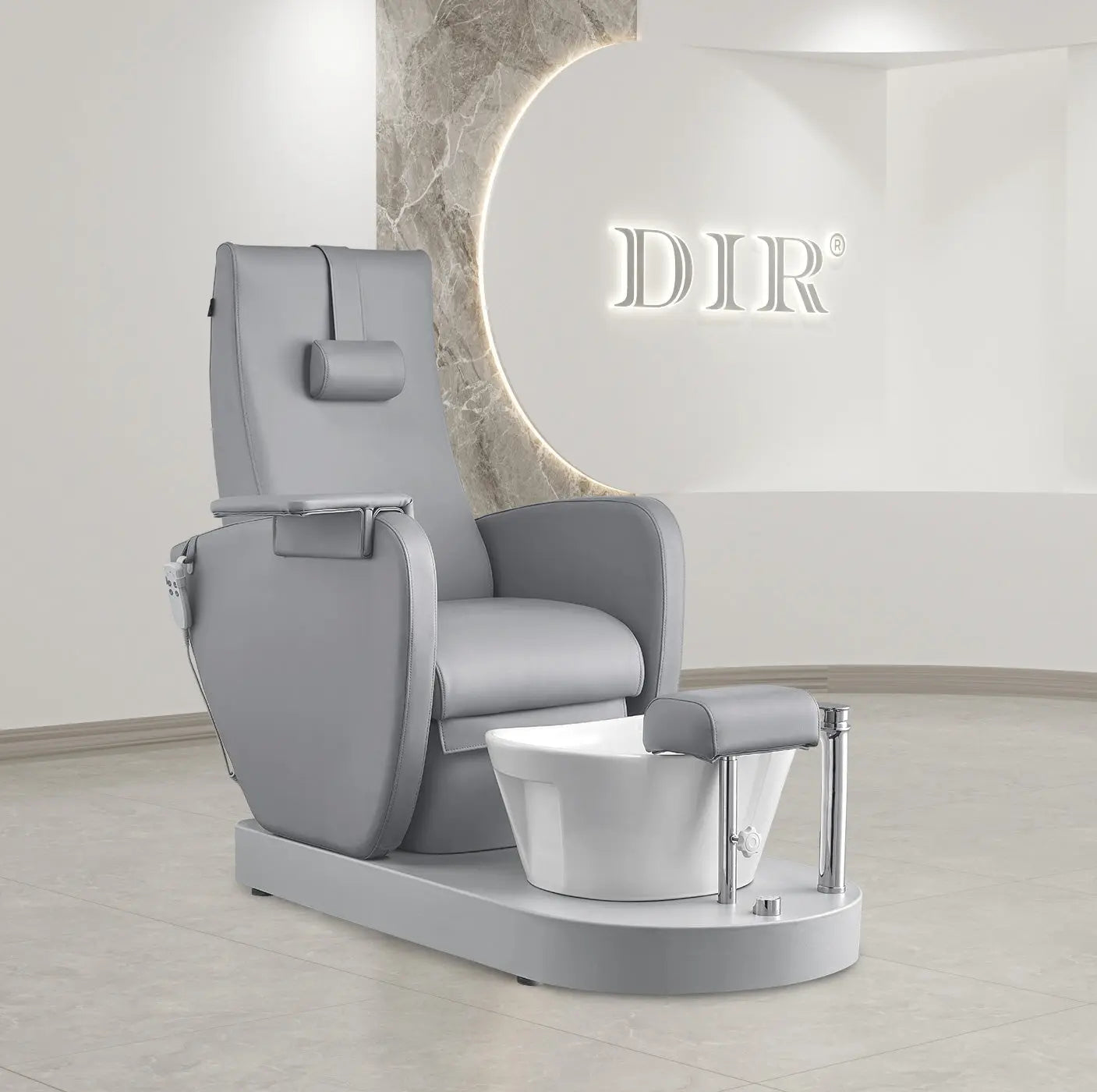
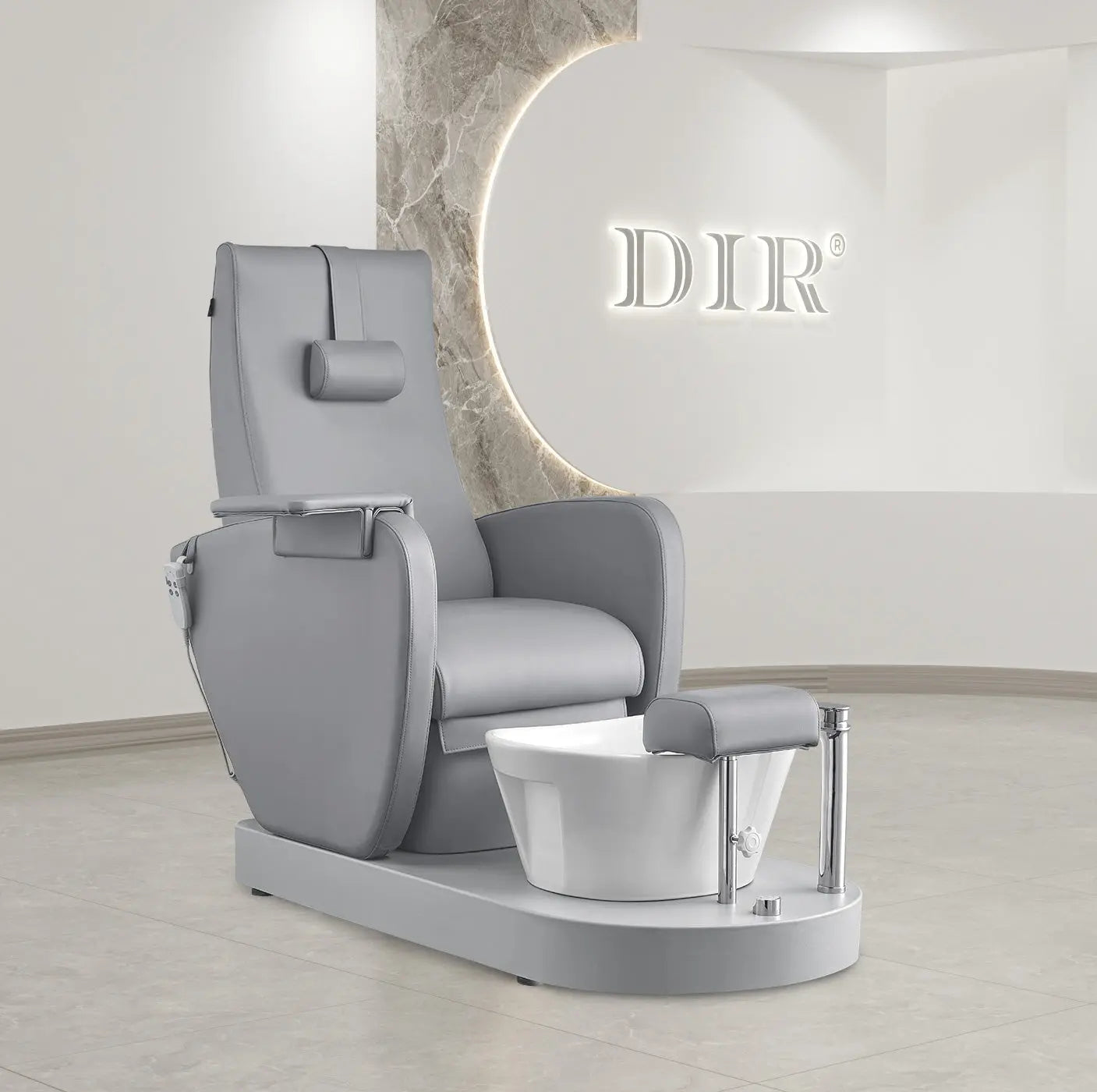
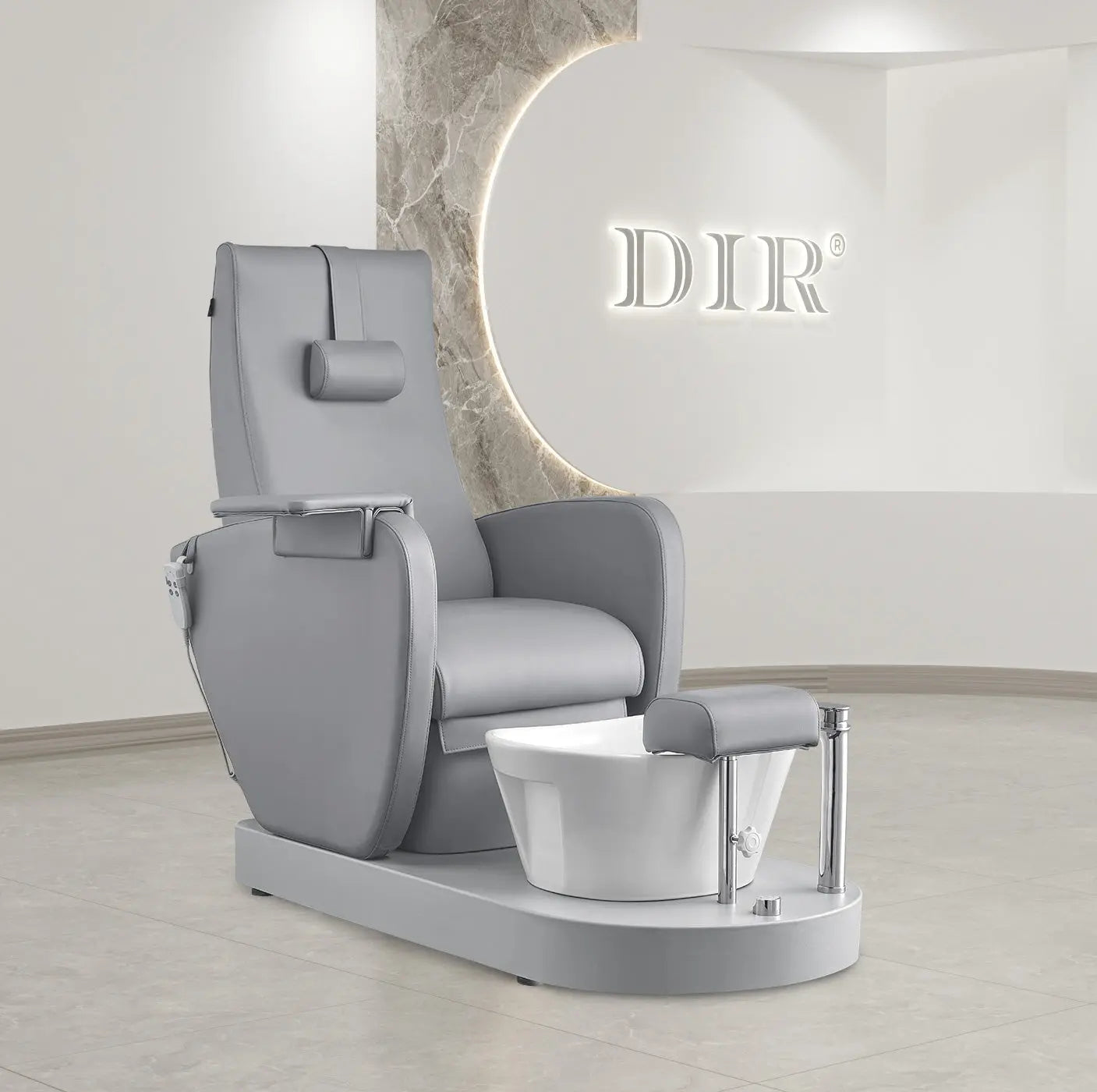
Electric beauty beds, powered by motors, allow button-controlled adjustments for height, tilt, backrest, and footrest. Priced from £700-£1,500, they provide seamless positioning, reducing back pain and enabling precise ergonomics for treatments like massages or lash extensions. In comparison, electric models offer effortless adjustments, while manual ones are limited by manual cranks that can disrupt mid-treatment flow. For UK clinics, electric upgrades help support safety standards and the shift toward tech-integrated wellness.
Key Benefits of Upgrading to Electric Beauty Beds
Upgrading brings tangible advantages tailored to UK clinic needs:
- Enhanced Efficiency and Speed
Electric beds cut adjustment time, allowing therapists to focus on treatments rather than manual tweaks during treatments. Clinics report 15-20% faster sessions, boosting daily revenue in a market growing at 6.24% CAGR through 2033. - Reduced Therapist Strain
Manual beds contribute to chronic discomfort; electric versions eliminate bending and lifting, reducing strain and helping prevent injuries for a busy mobile therapist or clinic team. - Improved Client Comfort
Smooth, quiet adjustments create a spa-like experience, with features like heated surfaces enhancing relaxation and client satisfaction for longer treatments. - Long-Term Cost Savings
Though pricier upfront, electric beds lower maintenance and injury-related costs, offering better ROI as client retention rises by 25%. - Versatility for Multi-Treatments
Electric beds handle diverse services with precise controls, unlike manual models' limitations.
Choosing the Right Beauty Salon Bed for Your Clinic
When comparing beauty beds and couches, think about the treatments you offer, available floor space, and how often the bed is used. An electric beauty bed is often the best fit for busy clinics that need fast, reliable adjustments, while a manual model may suit smaller setups with lighter use. UK buyers should also check warranties, certification, and whether the design supports both client comfort and therapist ergonomics.
If your clinic offers massage, facials, lashes, or advanced skin treatments, electric beauty beds can help create a more seamless experience and support efficient workflows. For mobile therapist services, lighter options may still be worth considering alongside powered models, depending on portability needs.
Cost and Considerations for Upgrading in 2025
Upgrades cost £700-£1,500, with ROI from efficiency gains. Factor warranties and UK certification. For clinics, assess space and services—electric suits busy setups.
Conclusion
Upgrading from manual to electric beauty beds in UK clinics is a strategic move in 2025, offering efficiency, comfort, and growth in a £30.4 billion GDP sector. With benefits like reduced strain and faster treatments, it's an investment that pays off. Explore options from DIR Store to upgrade your clinic today.