In the rapidly expanding UK beauty and wellness sector of 2025, selecting the right bed for your clinic is pivotal to delivering exceptional client experiences and optimizing operations. The UK beauty and wellness market reached USD 56.10 Billion in 2024 and is projected to grow at a CAGR of 2.70% to USD 73.20 Billion by 2033, driven by increasing demand for personalized treatments and sustainable practices. Meanwhile, the beauty retailing segment saw 3.8% growth in 2024, totaling EUR 7.75 billion, highlighting the need for versatile, high-quality equipment in clinics across London, Manchester, and beyond.
Beauty beds and treatment beds, often used interchangeably but with subtle distinctions, form the backbone of services like facials, massages, waxing, and physiotherapy. Beauty beds are typically chosen for aesthetic-focused salons because they offer plush comfort, a professional finish, and easy to use adjustments for busy therapists. Treatment beds lean toward clinical or therapeutic settings with robust functionality for a spa or salon that also offers wellness services. With the UK health and beauty market expected to grow at a CAGR of approximately 3% between 2024 and 2029, choosing between these can impact client satisfaction, therapist efficiency, and compliance with UK safety standards. This guide compares beauty beds vs treatment beds, helping UK clinic owners decide which fits their needs in 2025's competitive landscape.
Beauty bed or treatment bed: understanding the key differences
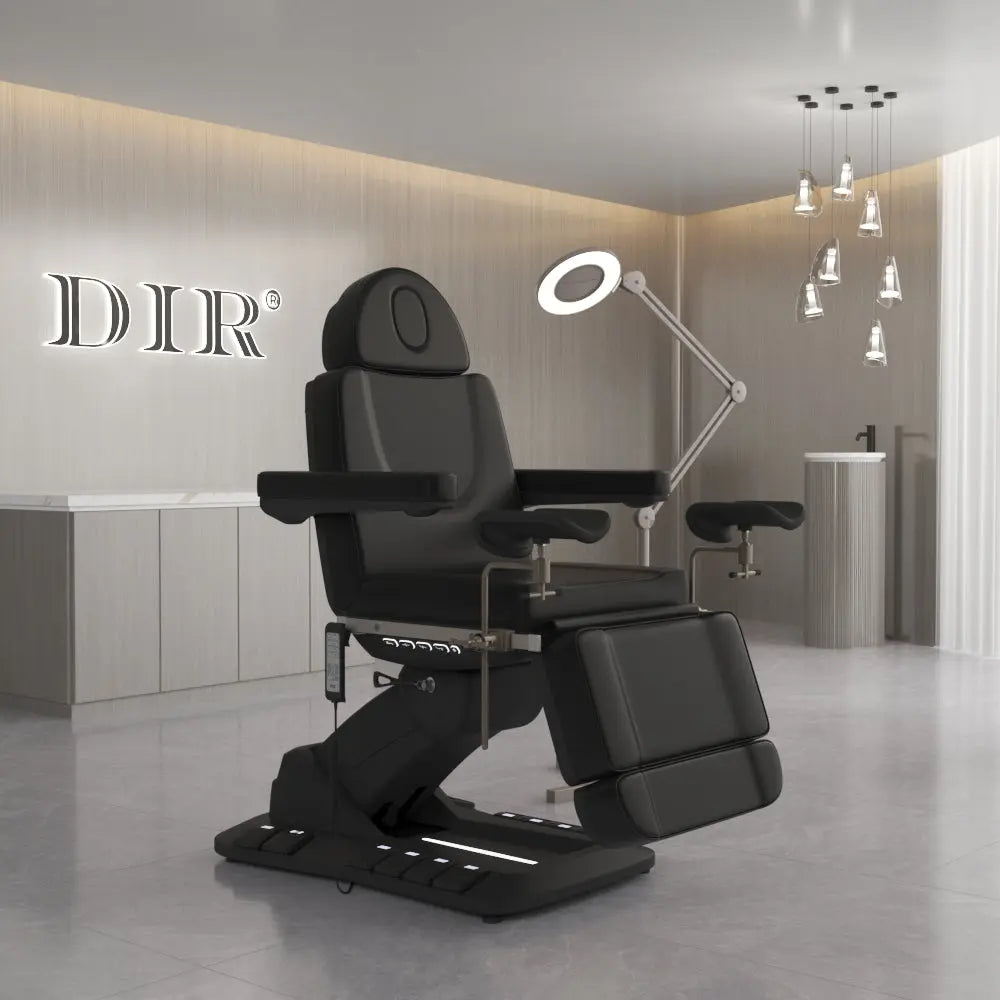
While both provide a platform for client treatments, their design and application set them apart. Beauty beds, also known as beauty couches, emphasize luxury and versatility for non-invasive aesthetic procedures like skincare, lash extensions, and nail services. They often feature softer padding, trendy aesthetics, removable armrests, and electric adjustments for seamless client comfort in beauty salons.
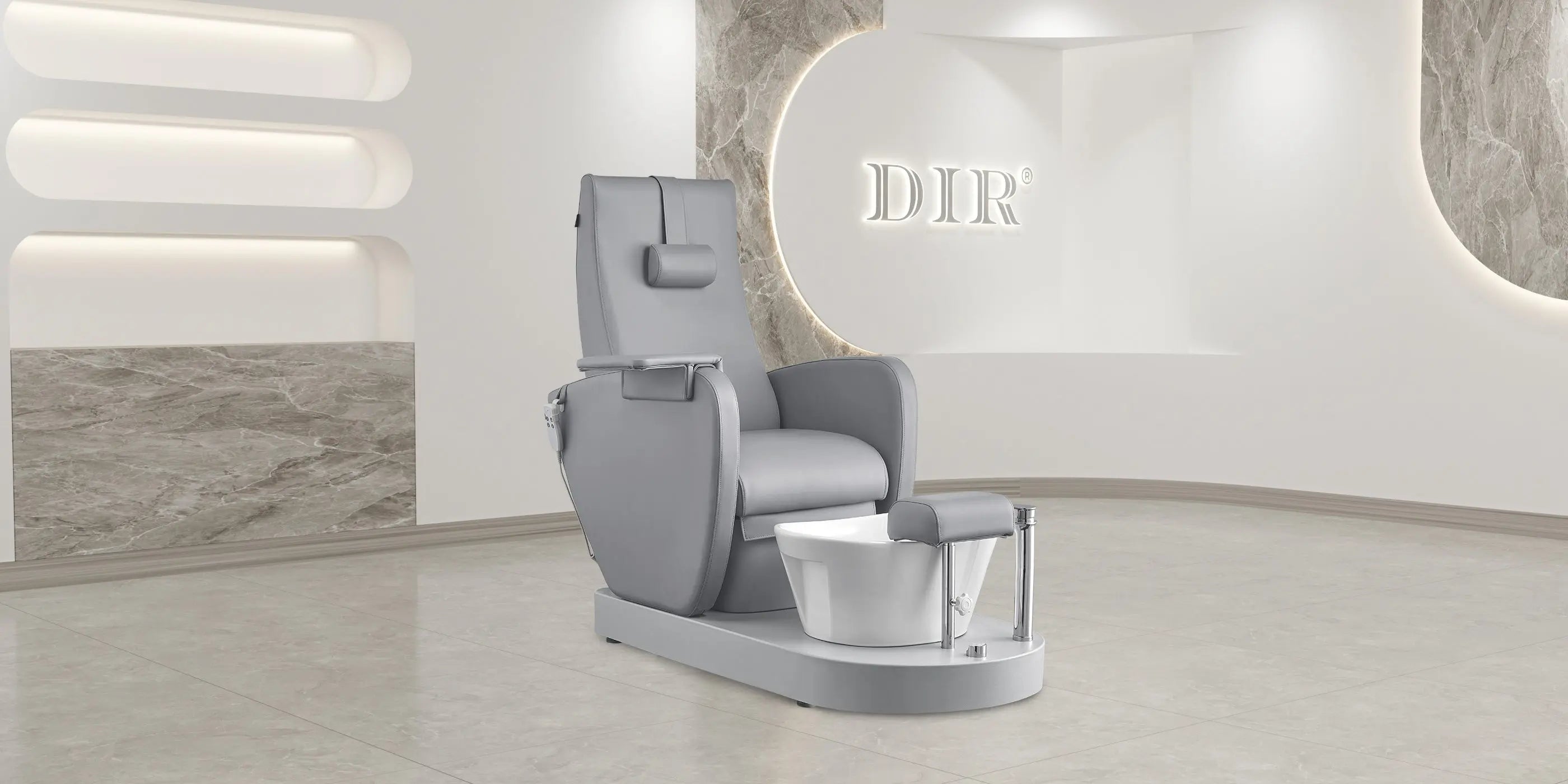
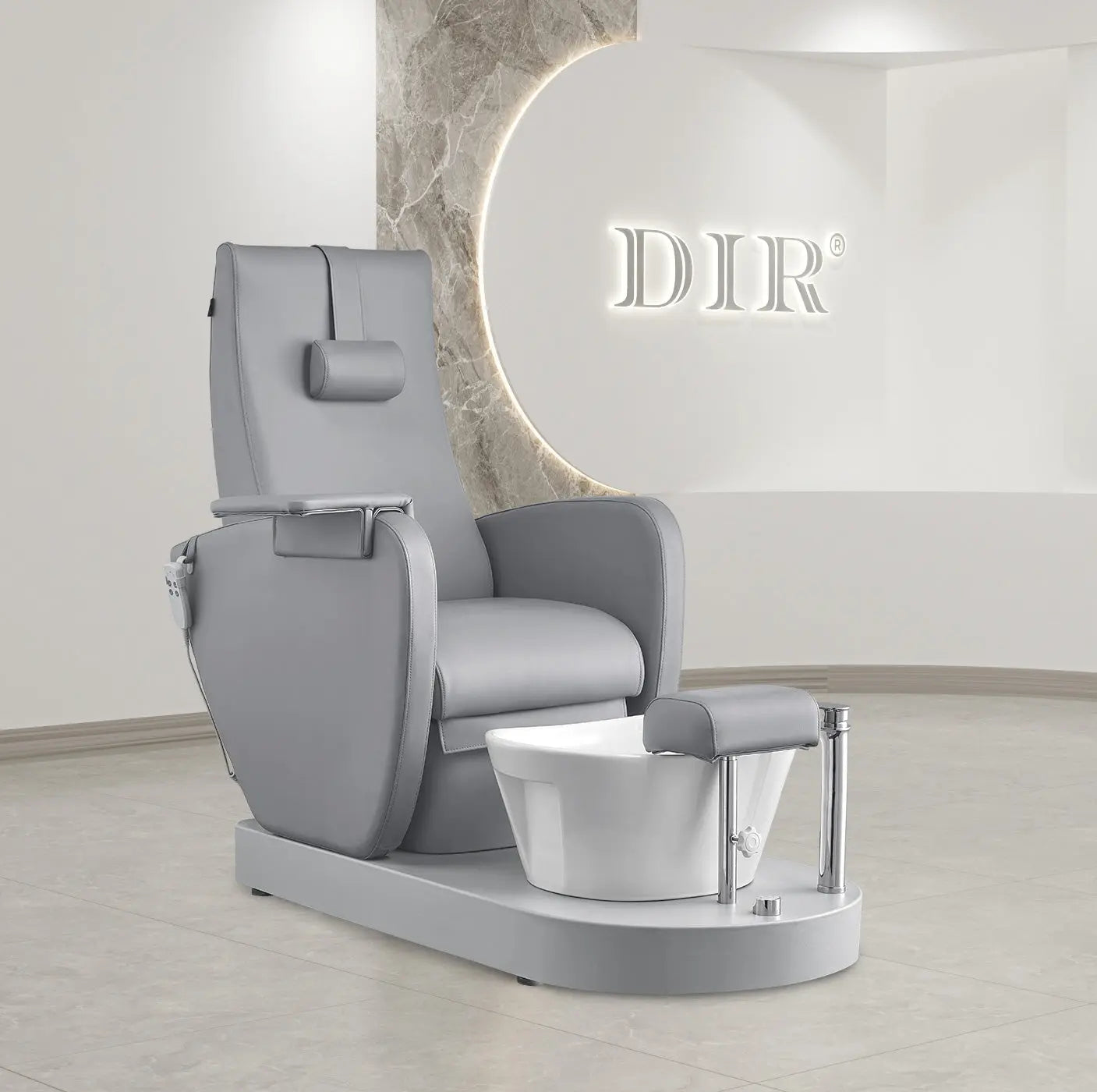
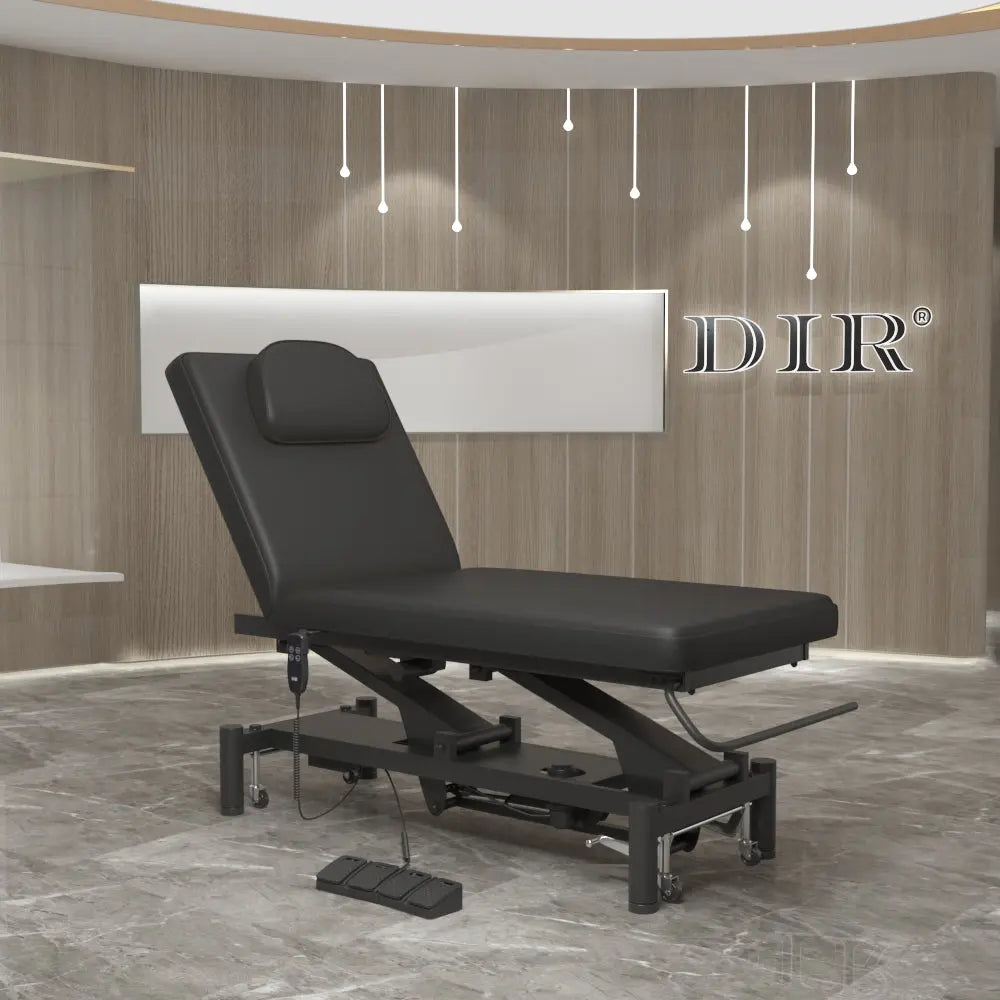
Treatment beds, or therapy couches, are geared toward broader therapeutic uses, including massages, physiotherapy, or beauty aesthetics. They prioritize durability, higher weight capacities, and precise positioning for treatments requiring stability, such as in spas or clinics offering rehabilitative services. For instance, pedi-spa beds (a subset of treatment beds) include foot baths and extended leg rests for specialized foot care. In the UK market, beauty beds suit high-street salons, while treatment beds excel in wellness centers amid the industry's 8.2% CAGR for beauty products from 2025-2030.
Pros and Cons of Beauty Beds for UK Clinics
Pros:
- Enhanced client comfort with plush, ergonomic padding ideal for prolonged aesthetic sessions.
- Stylish designs that elevate salon aesthetics, aligning with 2025 trends like nostalgia and human-touch elements in beauty.
- Versatile adjustments, including electric models, for facials and waxing, boosting efficiency in busy clinics.
- Affordable entry-level options starting at £300, perfect for startups in a market with 7.1% beauty spending growth in 2024.
Cons:
- May lack the robustness for heavy-duty therapeutic treatments, with lower weight capacities (around 150-200kg).
- Less emphasis on clinical features like reinforced frames, potentially unsuitable for beauty spas.
Pros and Cons of Treatment Beds for UK Clinics
Pros:
- Superior stability and higher weight limits (up to 250kg+), essential for massages or physio in wellness clinics.
- Advanced functionality, such as multi-motor electric adjustments for precise positioning in treatments like acupuncture or rehab.
- Durable materials compliant with UK hygiene regulations, reducing maintenance in high-traffic environments.
- Supports diverse services, aligning with the UK's wellness subcategories like personalized care, per 2025 trends.
Cons:
- Higher cost (starting at £500-£800), which may strain budgets in smaller clinics.
- Bulkier designs that could feel less luxurious for purely aesthetic-focused clients.
Which one fits your UK clinic? Factors to consider
For aesthetic clinics prioritizing style and comfort, beauty beds like electric beauty couches are ideal, especially in urban salons where client retention drives growth. If your clinic offers therapeutic services, opt for treatment beds with features like foot pumps or motors for reliability. Consider space, budget (£300-£2,000 range), and 2025 trends like AI integrations and eco-materials. UK regulations require stability and easy-clean surfaces for both, ensuring safety in a market valued at £30.4 billion in GDP contribution.
Top brands and suppliers for beauty and treatment beds in the UK
Popular 2025 brands include DIR, which offers a wide range of options, with electric beauty bed models leading sales for their efficiency. For smart features, brands like DIR also provide foldable options starting at affordable prices.
Key features to prioritise in 2025
- Adjustability: Electric motors for height/backrest (beauty beds) vs. hydraulic stability (treatment beds).
- Comfort: Thick padding and breathable upholstery.
- Durability: High weight capacity and easy-clean materials.
- Mobility: Smooth wheels can help when moving equipment between rooms or around a spa or salon.
- Innovation: Heated surfaces or app controls, trending in UK wellness.
Conclusion
In 2025's thriving UK beauty and wellness market, beauty beds excel for aesthetic clinics seeking luxury and versatility, while treatment beds suit therapeutic environments with their robustness and functionality. Assess your clinic's services, budget, and client needs to make the right choice, ensuring compliance and growth in a sector poised for significant expansion. For top-quality beauty beds and treatment beds from brands like DIR, explore collections at DIR Store to equip your UK clinic for success.