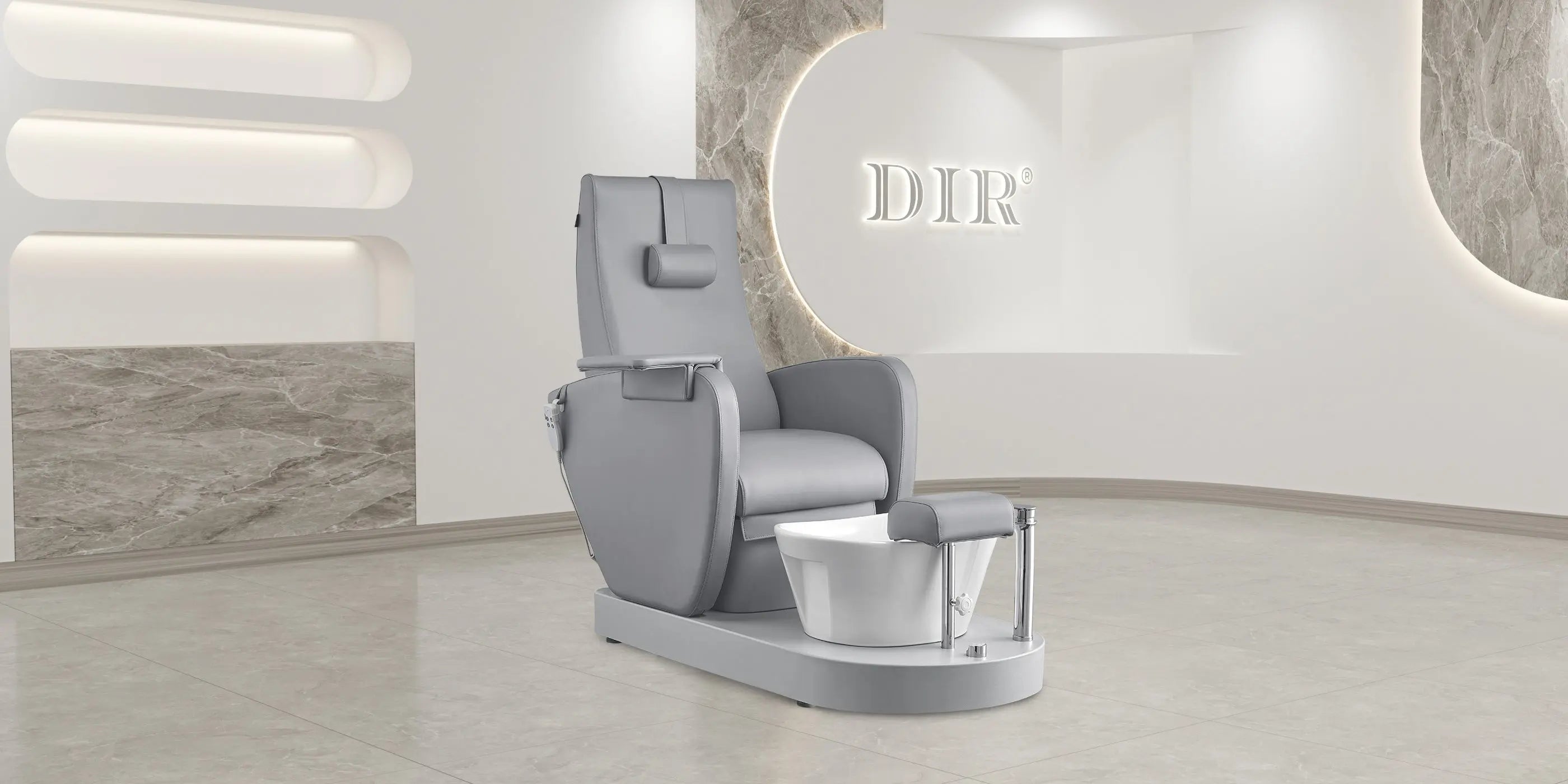
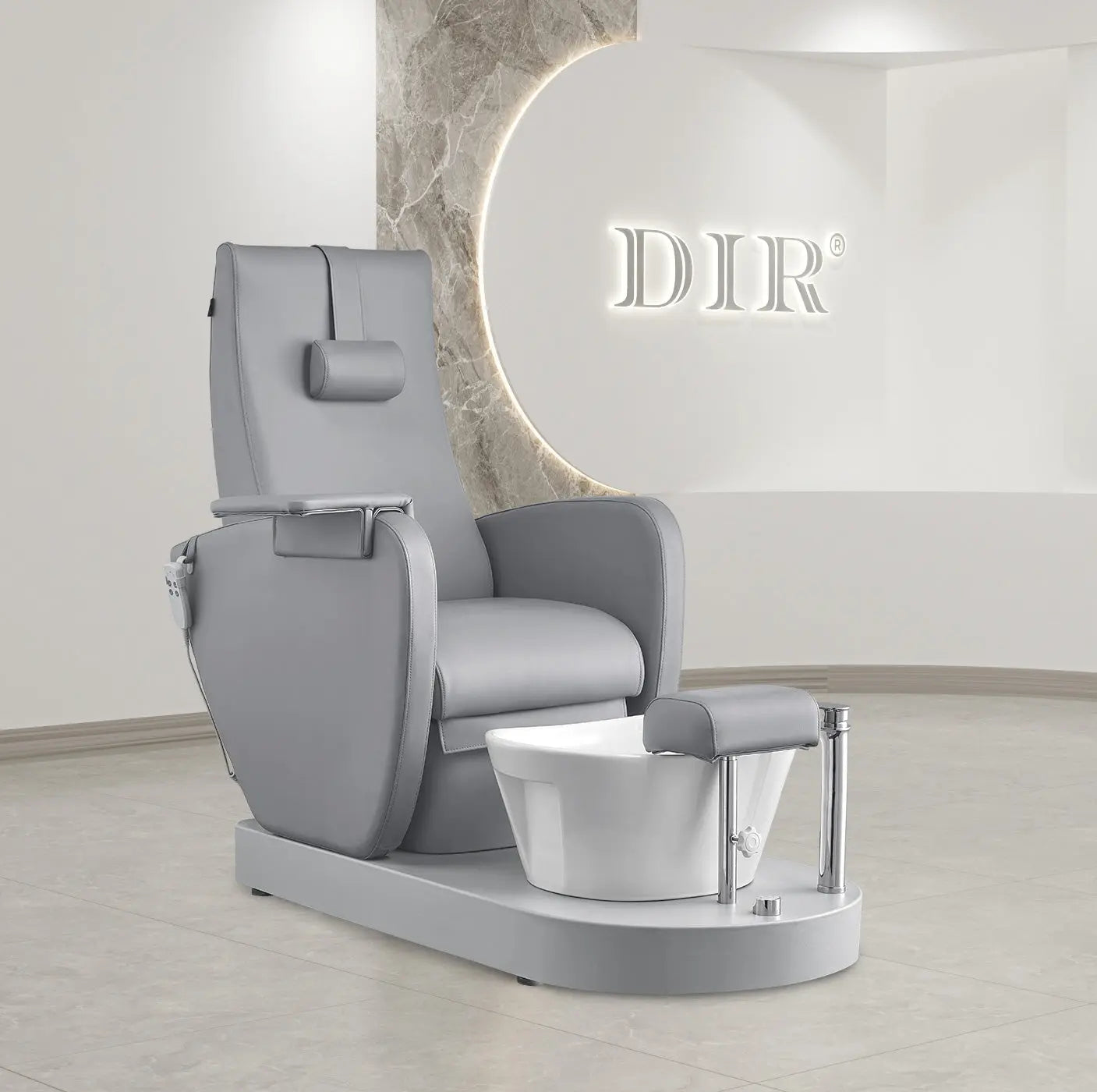
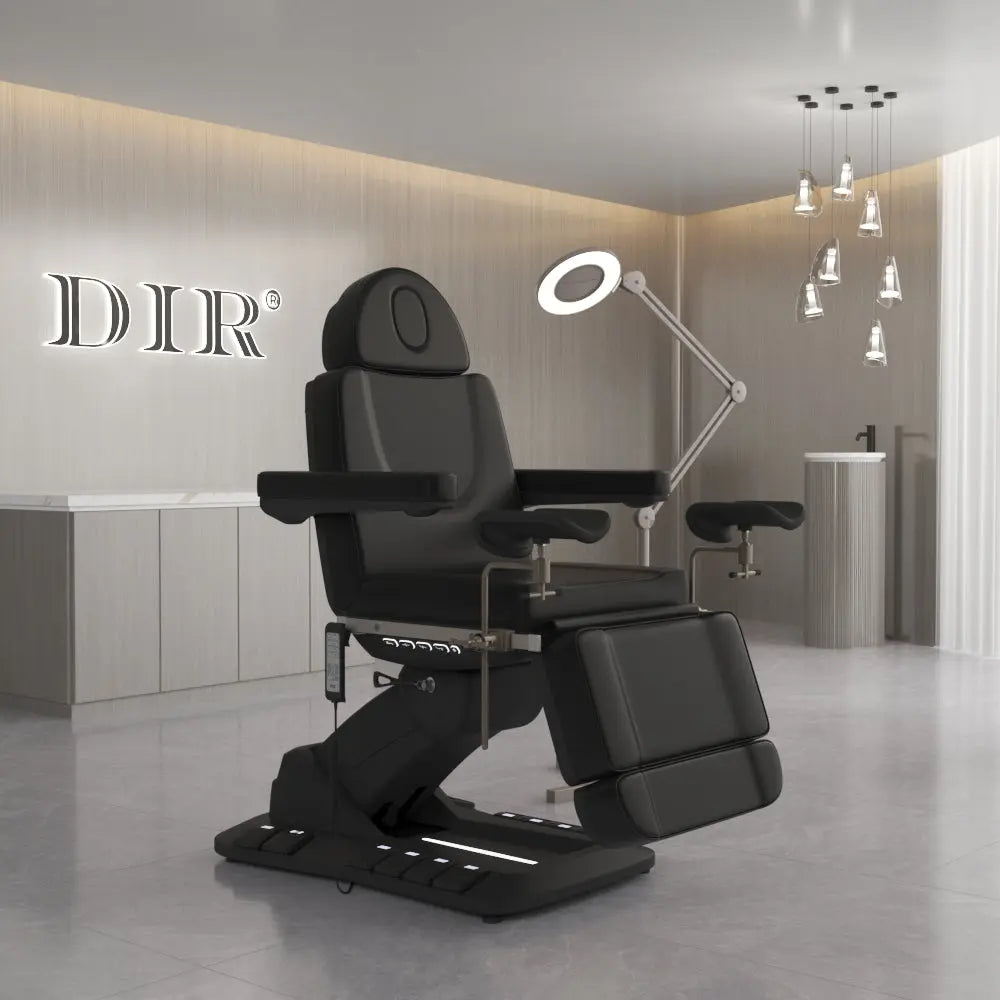
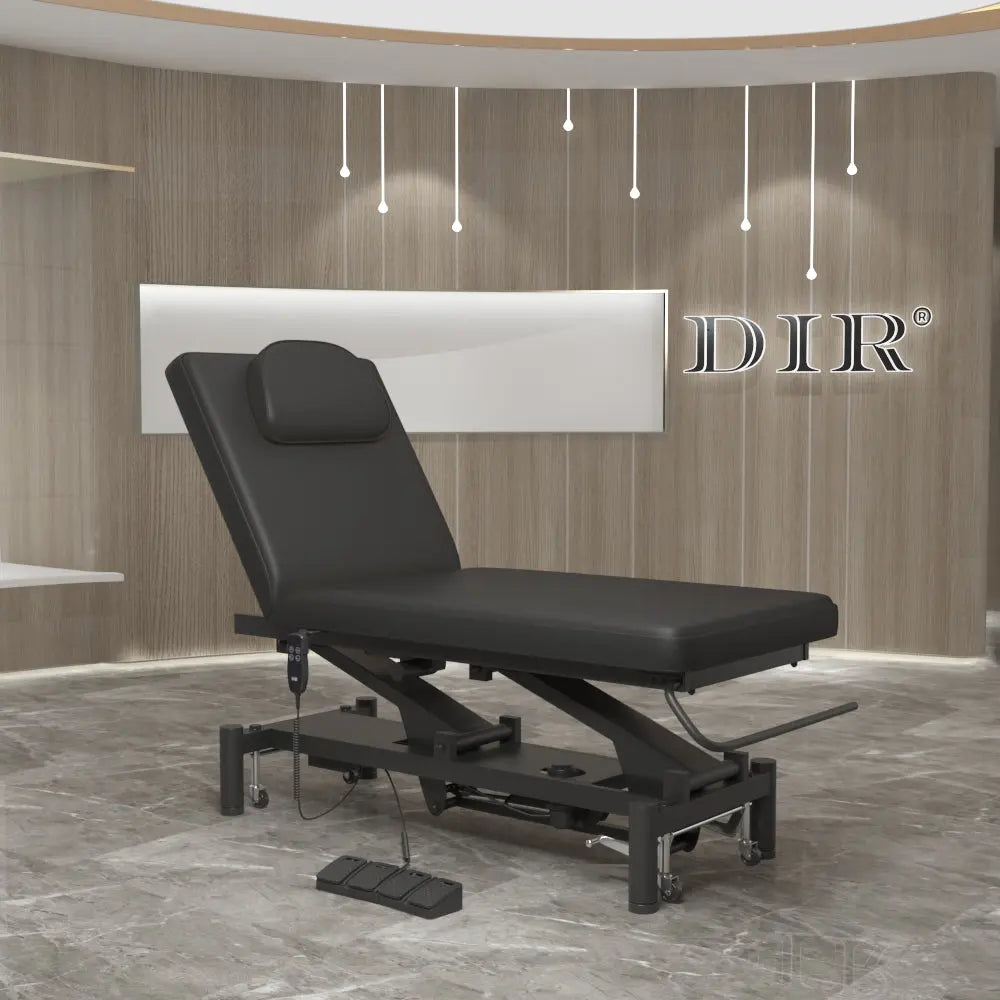
As the aesthetic industry advances into August 08, 2025, beauty beds and couches are embracing sustainability and technological integration to meet the demands of eco-conscious clients and innovative practitioners. With the global beauty furniture market expected to surpass $15.4 billion by 2030, driven by a 7.5% CAGR, trends highlight a shift toward green materials and smart functionalities that enhance efficiency in minimally invasive procedures like fillers, beauty, and laser therapies. Eco-friendly options, such as biodegradable upholstery and energy-efficient motors, pair with tech features like AI-driven adjustments and IoT connectivity, offering forward-thinking professionals tools that reduce environmental impact while optimizing workflows. This article explores these emerging trends, key features, benefits, and implementation strategies, empowering clinics to adopt sustainable, tech-savvy beauty salon bed designs for superior client care and business growth.
The Rise of Sustainability in Beauty Beds
Sustainability is no longer a niche concern in the beauty sector; it's a core driver reshaping beauty beds. In 2025, manufacturers are prioritizing eco-friendly materials to align with global regulations and consumer preferences, where 78% of patients favor environmentally responsible practices in aesthetic treatments. Traditional surgery beds often rely on non-recyclable plastics and high-energy components, but new designs incorporate recycled aluminum frames, organic faux leather from plant-based sources, and low-VOC (volatile organic compounds) finishes that minimize off-gassing in clinical spaces.
For instance, biodegradable upholstery derived from corn or soy resists stains and bacteria while decomposing naturally, extending product lifecycles and reducing waste. Energy-efficient motors in electric beauty bed models consume 30-50% less power, with solar-compatible charging options emerging for off-grid spas. These sustainable designs comply with certifications like ISO 14001 for environmental management, appealing to forward-thinking professionals who aim to lower their carbon footprint—clinics adopting green equipment report a 15% reduction in operational emissions. In beauty contexts, where treatments emphasize natural results, eco-friendly beds reinforce a brand's commitment to holistic wellness, attracting millennials and Gen Z clients who prioritize sustainability in 72% of purchasing decisions.
Tech-Integrated Innovations Transforming Electric Beauty Beds
Technological integration is revolutionising electric beauty beds, blending smart features with user-centric design for enhanced precision and convenience. In 2025, AI and IoT are at the forefront, enabling beds to adapt dynamically to procedural needs. Multi-motor systems now include AI algorithms that predict optimal positioning based on client biometrics—scanned via integrated sensors—for treatments like facial contouring or body sculpting. Voice-activated remotes and app connectivity allow practitioners to control height, tilt, and rotation remotely, streamlining workflows in busy clinics.
Smart features extend to predictive maintenance: IoT-enabled beds monitor usage and alert for issues, preventing downtime and ensuring CE compliance. For minimally invasive procedures, augmented reality (AR) overlays guide positioning, reducing errors by 25% in filler applications. Hybrid models combine tech with sustainability, like solar-powered LED lighting and recyclable circuit boards, making them ideal for forward-thinking setups. These innovations not only improve accuracy but also client satisfaction, with adaptive foam that adjusts firmness via app controls, catering to diverse body types during treatments.
Benefits for Clinics and Clients
Adopting sustainable and tech-integrated beauty beds offers tangible benefits, from cost savings to enhanced outcomes. Environmentally, clinics reduce waste by 20-40% through durable, recyclable designs, while energy-efficient features cut utility bills by up to 35%. Tech integrations boost efficiency: AI positioning shortens procedure times by 15-20%, allowing more daily appointments without compromising quality.
Client satisfaction rises with comfortable, eco-friendly experiences—surveys indicate 85% of clients rate sustainable clinics higher, leading to 30% improved retention. Smart features minimise discomfort, with quiet operations and effortless adjustments enhancing trust in procedures like beauty, where 92% of clients value tech-enhanced safety. For professionals, these beds support multi-purpose use, from facials to surgical prep, fostering innovation and compliance with evolving regulations like the EU's Green Deal. Overall, forward-thinking adoption yields a 25% ROI within two years, blending ethics with profitability.
Challenges and Implementation Strategies
While promising, challenges include higher upfront costs (10-20% premium for eco-tech models) and integration learning curves. To overcome, start with modular upgrades—add sustainable upholstery or smart remotes to existing beauty salon bed setups. Train staff via manufacturer programs, ensuring seamless use of AI features. Select suppliers with warranties and recycling initiatives, verifying certifications like FSC for sustainable sourcing. Pilot tests in small clinics demonstrate value, with 70% of adopters reporting smoother operations post-implementation.
Future Outlook and Market Trends
Looking ahead, 2025-2030 trends predict widespread adoption of bio-based materials and blockchain-tracked supply chains for transparency in beauty furniture. Tech will evolve with 5G-enabled beds for real-time data sharing, supporting telemedicine in aesthetics and the needs of the mobile therapist. The Asia-Pacific region leads growth at 8.2% CAGR, driven by eco-innovations in emerging markets. As regenerative medicine rises, electric beauty beds with integrated biotech sensors will become standard, blending sustainability with cutting-edge care.
Conclusion: Embracing Eco-Tech for Aesthetic Excellence
Beauty bed trends in 2025 emphasize sustainable and tech-integrated designs, offering eco-friendly options with smart features that empower forward-thinking professionals. By reducing environmental impact and enhancing procedural precision, these innovations in beauty beds and couches elevate client experiences and clinic efficiency. As the market expands, investing in such beauty furniture positions practices for long-term success. Explore DIR Store for sustainable, tech-savvy models today to lead in the evolving world of aesthetics.