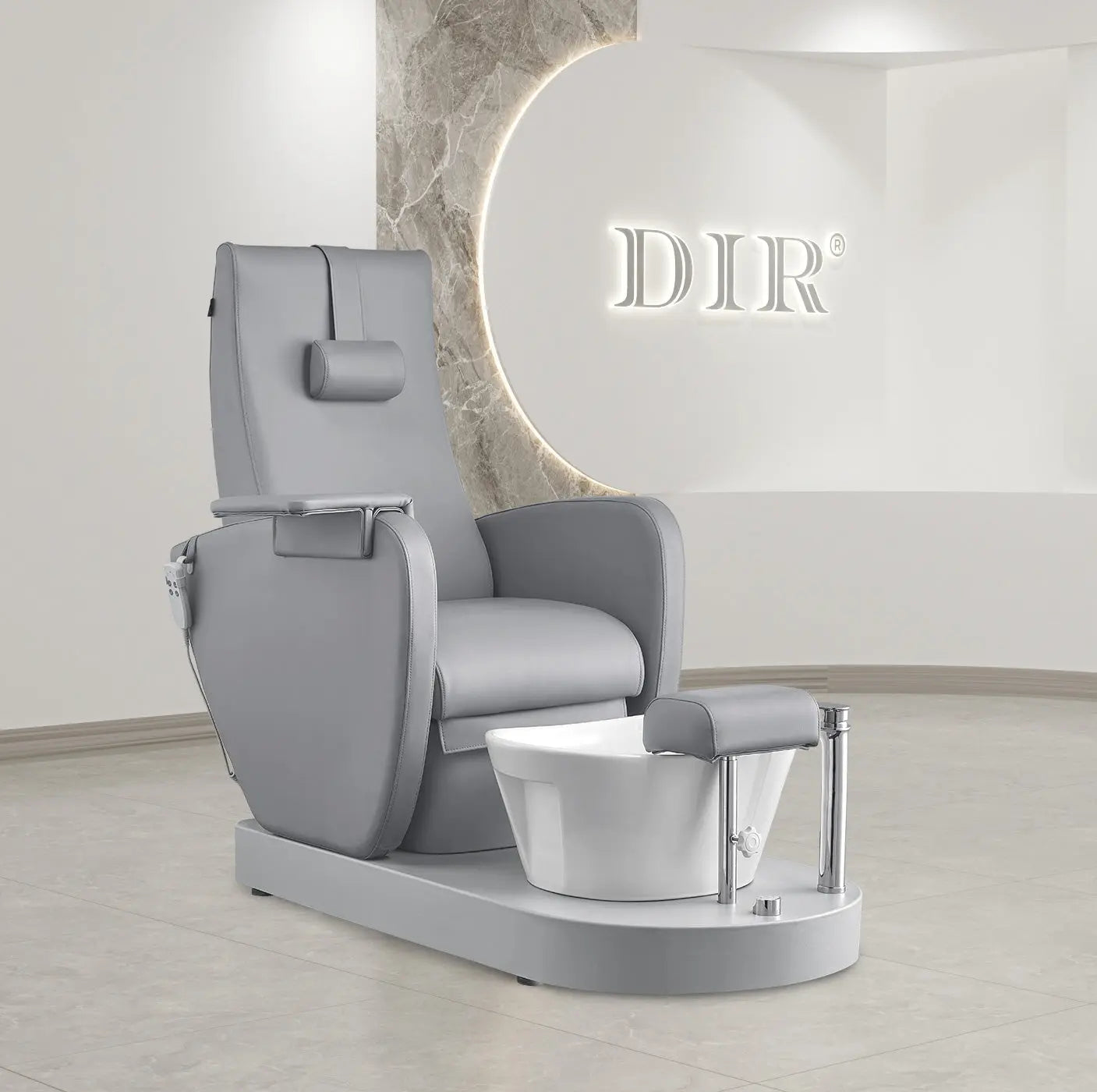
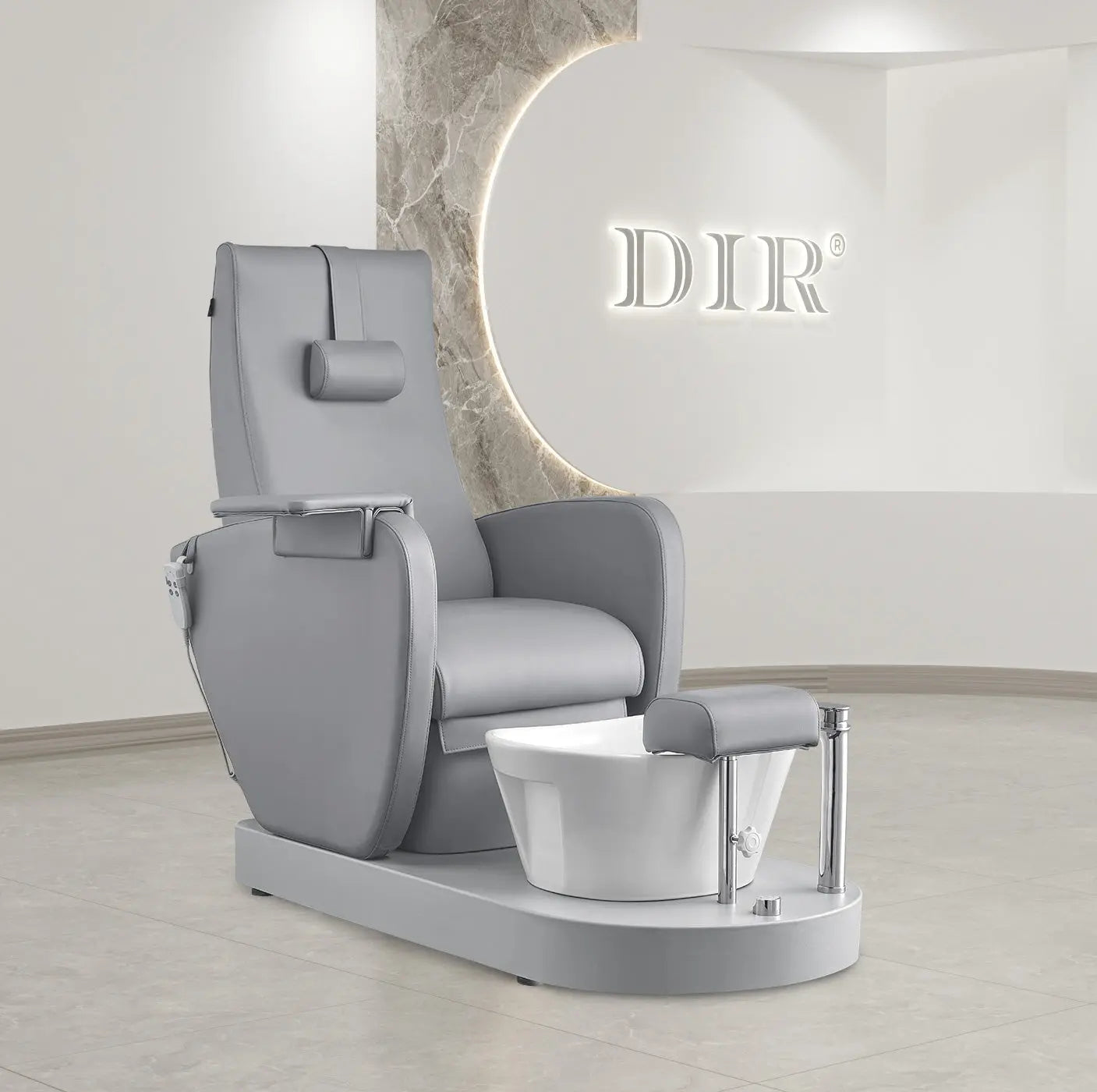
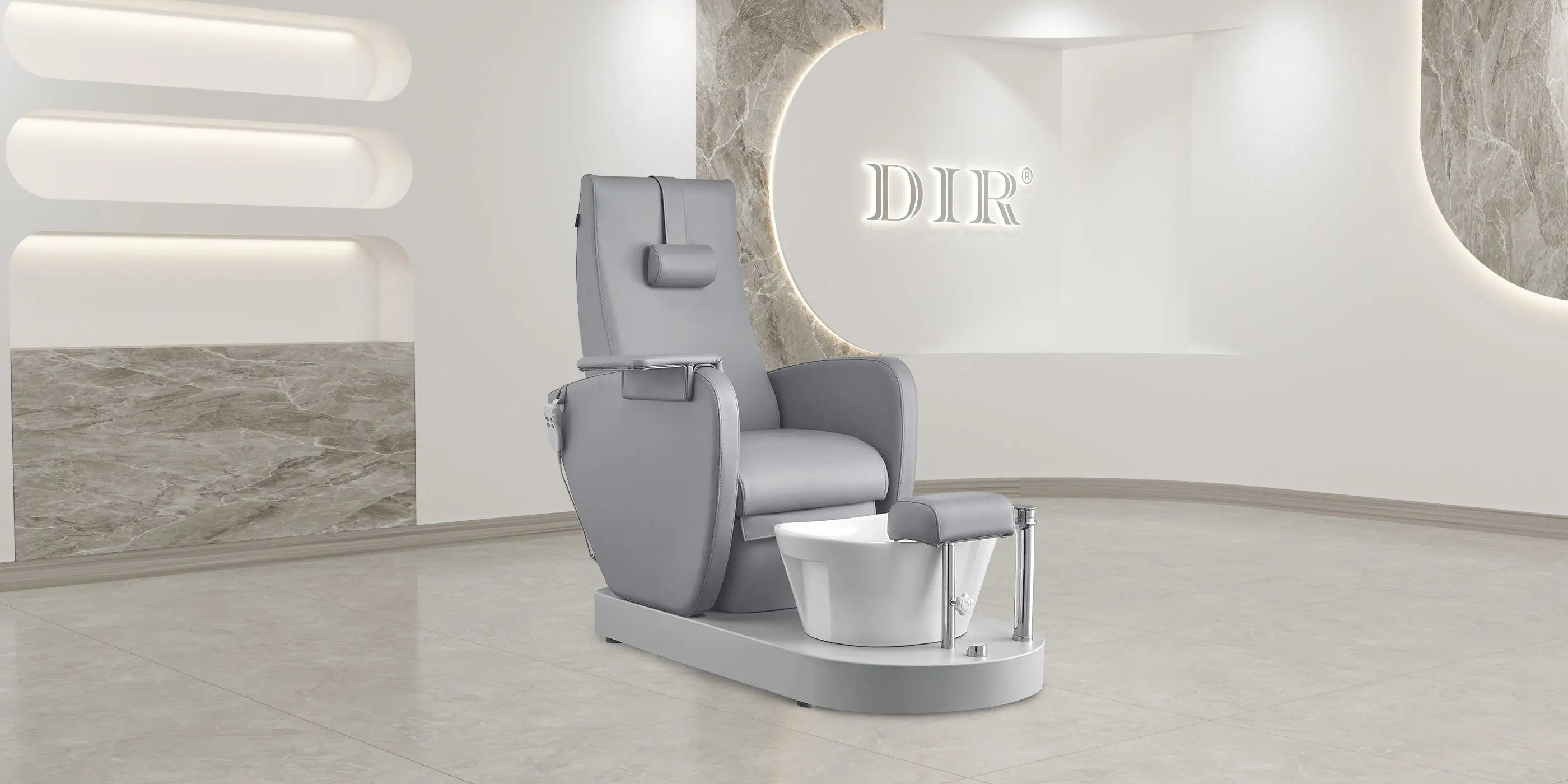
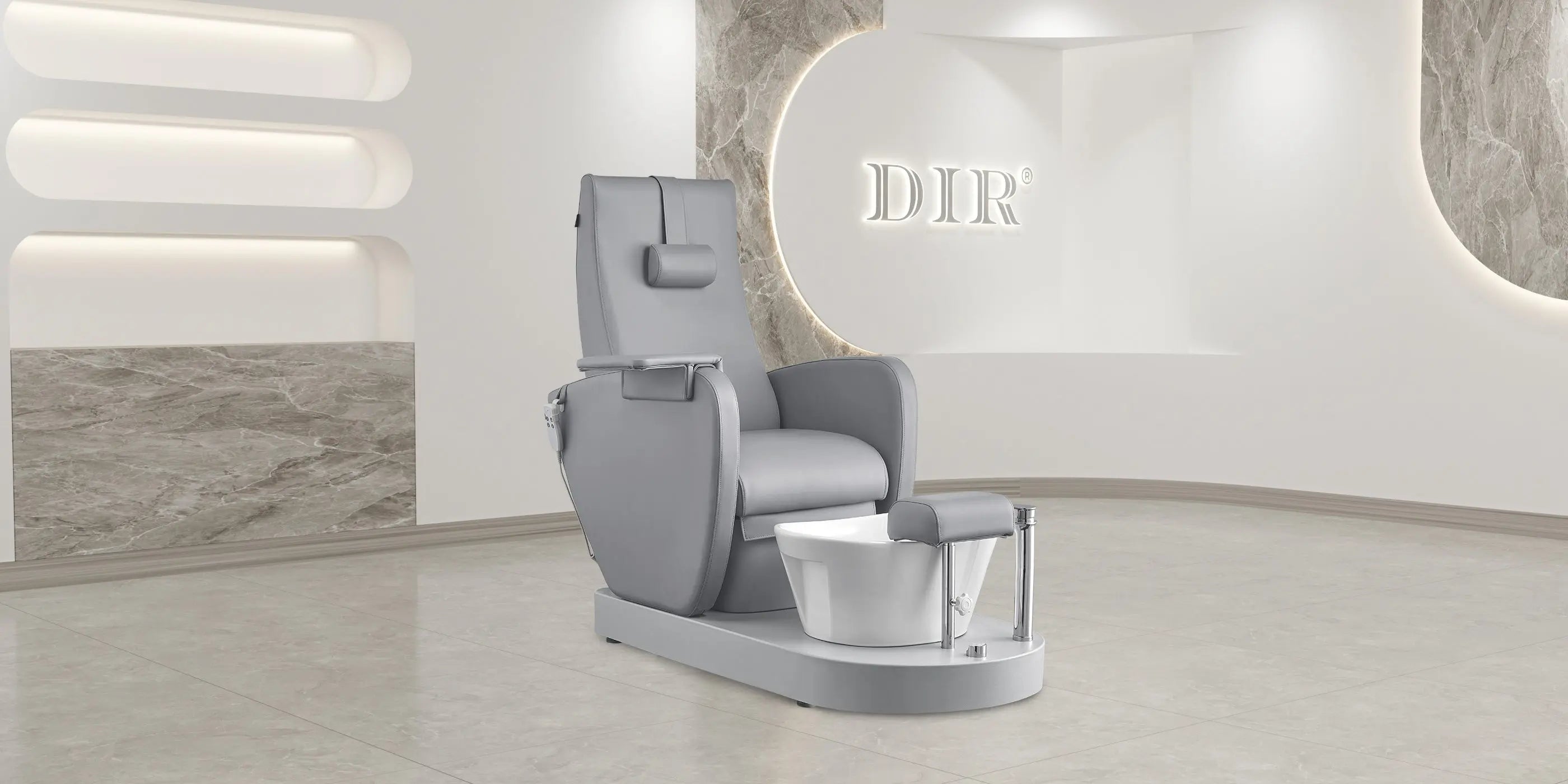
In the flourishing UK spa and wellness sector of 2025, electric beauty beds are essential for delivering premium treatments while ensuring therapist efficiency and client comfort. With the UK beauty and wellness market reaching USD 56.10 Billion in 2024 and projected to grow at a CAGR of 2.70% to USD 73.20 Billion by 2033, spas are investing heavily in durable equipment to meet rising demand for personalised services. Electric beauty beds, also known as treatment beds, facial beds or beauty couches, feature motorized adjustments that enhance versatility but require diligent maintenance to avoid breakdowns and comply with UK health and safety standards.
As the UK spa services market is anticipated to hit USD 2.68 billion in 2025, driven by growing travel and tourism, proper care of these beds not only extends their lifespan but also minimises downtime in high-traffic environments like London or Edinburgh spas. Industry reports highlight that well-maintained salon equipment can reduce repair costs by up to 30%, allowing UK spas to focus on client satisfaction amid a 3% GDP growth in the personal care industry. This guide provides practical maintenance tips for UK therapists, drawing on 2025 best practices to keep your electric beauty beds performing optimally.
Why maintenance matters for electric beauty beds in UK spas
Electric beauty beds are more complex than manual or hydraulic options, with motors, cords, cushions and upholstery that demand regular attention. Neglecting care can lead to electrical faults, upholstery wear, or hygiene issues, violating UK regulations on salon disinfection and safety. In busy spas, where beds endure daily use for facials, massages, and waxing, proactive maintenance prevents costly replacements and supports the industry's emphasis on sustainability and efficiency. Therapists report that routine checks can extend bed life by 2-5 years, aligning with the UK's beauty sector growth of 9% in GDP contribution to £30.4 billion in 2024.
Choosing the right electric beauty bed features
Before maintenance begins, it helps to understand the features that affect long-term care. Models with 3 motor or 4 motors systems may offer different levels of adjustable height & backrest control, while other designs focus on a simple adjustable backrest or electric height adjustable frame. In UK spas, removable headrest options, supportive footrests, and padded cushion surfaces can improve comfort during facial, massage, and medical aesthetic treatments. Some specialist beds also include led light details or are designed for physical therapy use, so always follow the manufacturer’s guidance for your specific model.
Essential maintenance tips for longevity
Follow these expert-recommended tips to safeguard your investment and maintain a professional spa environment in 2025.
- Daily cleaning to prevent buildup and ensure hygiene
Wipe down the bed after every client using a mild, non-alcoholic disinfectant or gentle soap with a microfiber cloth. Focus on removing oils, lotions, and residues that can degrade vinyl or PU leather upholstery. Avoid harsh chemicals, as they can cause cracking—opt for salon-approved cleaners safe for UK hygiene standards. For thorough daily care, remove removable covers and launder them with gentle detergents, ensuring the bed dries completely to prevent mildew. This practice is crucial in UK spas, where post-pandemic regulations emphasise disinfection to maintain client trust. - Weekly inspections for mechanical and electrical safety
Conduct visual checks every week: tighten bolts, knobs, and levers to ensure they lock securely, and inspect electrical cords for fraying or damage—replace immediately if issues arise. Test motorized adjustments for smooth operation, listening for unusual noises that could indicate motor strain. In UK spas, where equipment must meet safety compliance, these inspections reduce injury risks and align with ergonomic guidelines, potentially lowering staff complaints by 65%. - Monthly deep cleaning and upholstery protection
Perform a deep clean monthly: use warm water and mild soap to scrub surfaces, removing stains promptly with non-abrasive tools. Apply vinyl restoration products to protect against ageing, and cover the bed with towels or sheets during treatments to shield from oils and sharp objects. For electric components, avoid soaking—use compressed air to clear dust from motors. This routine is vital for UK spas facing high humidity, helping maintain aesthetics and durability in line with 2025 sustainability trends. - Biannual professional tune-ups and troubleshooting
Twice a year, open the motor casing to remove dust buildup and lubricate moving parts as per manufacturer guidelines. Check for signs of wear on cables and do not modify electrical structures to avoid voiding warranties. If motors are noisy or adjustments jerky, consult a certified technician—regular tune-ups can prevent 30% of common faults in UK high-traffic spas. - Storage and positioning best practices
Position beds away from direct sunlight or heat sources to prevent fading and drying of materials. When not in use, cover with dust sheets and store in a dry, cool environment. For multifunctional beds, ensure proper handling to avoid strain on mechanisms. In compact UK spas, these habits maximise space and longevity, supporting the industry's shift toward eco-friendly practices. - Compliance with UK regulations and accessories use
Adhere to UK spa hygiene standards by using steam cleaners for chemical-free sterilisation. Invest in accessories like protective covers or headrest extensions to distribute wear evenly. Regular audits ensure compliance, boosting client confidence in a market where 50% of consumers prioritise sustainable and safe equipment.
Key considerations for UK spas in 2025
Budgets for maintenance should include £50-£200 annually per beauty bed for supplies and services. Prioritise UK-certified models with warranties, and train staff on proper use to avoid overuse. With spas facing a 1.6% revenue dip through 2024-25 due to economic pressures, efficient maintenance ensures resilience.
Conclusion
Maintaining electric beauty beds in UK spas is key to longevity, safety, and client satisfaction in 2025's competitive wellness landscape. By following these tips—from daily wipes to biannual tune-ups—you can extend equipment life, cut costs, and align with industry growth. For high-quality electric beauty beds and maintenance accessories suited to UK spas, explore the range at DIR Store, offering durable options like electric beauty beds for optimal performance.