How to Balance Cost and Quality When Buying a Beauty Bed in the UK
In the thriving UK beauty industry, projected to reach US$16.95 billion in revenue for the Beauty & Personal Care market in 2025, selecting the right beauty bed is a critical investment for salons, spas, and clinics. Beauty beds—whether electric beauty beds, beauty chair beds, or beauty couches—are essential for client comfort during treatments like facials, massages, and waxing. However, with prices ranging from £300 for basic models to over £1,500 for premium electric options, balancing cost and quality is key to avoiding hidden expenses like frequent repairs or dissatisfied clients. In a sector growing at a CAGR of 4.12% through 2030, where 75% of clients return for superior comfort, choosing wisely enhances efficiency and profitability. This guide provides practical tips for UK buyers to strike that balance, focusing on features, types, and trusted suppliers.
Understanding the Types of Beauty Beds and Their Price Points
The first step in balancing cost and quality is knowing the options. Beauty beds vary by functionality, with prices reflecting features like adjustability and materials. Entry-level manual or hydraulic beauty beds start at £300-£500, ideal for startups or low-volume salons. These offer basic height adjustment via foot pumps, providing reliable support without electrical components, but they require more therapist effort.
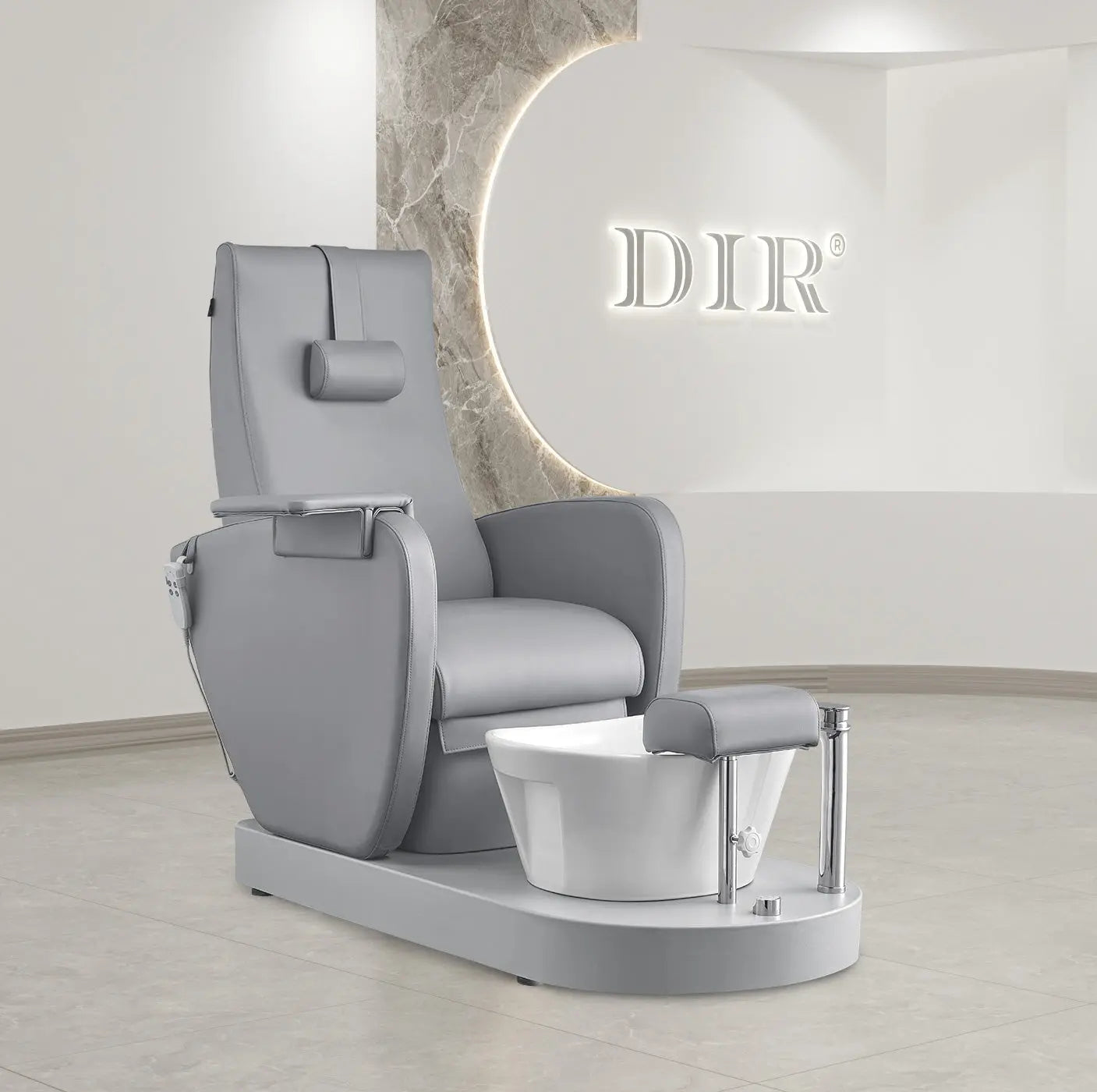
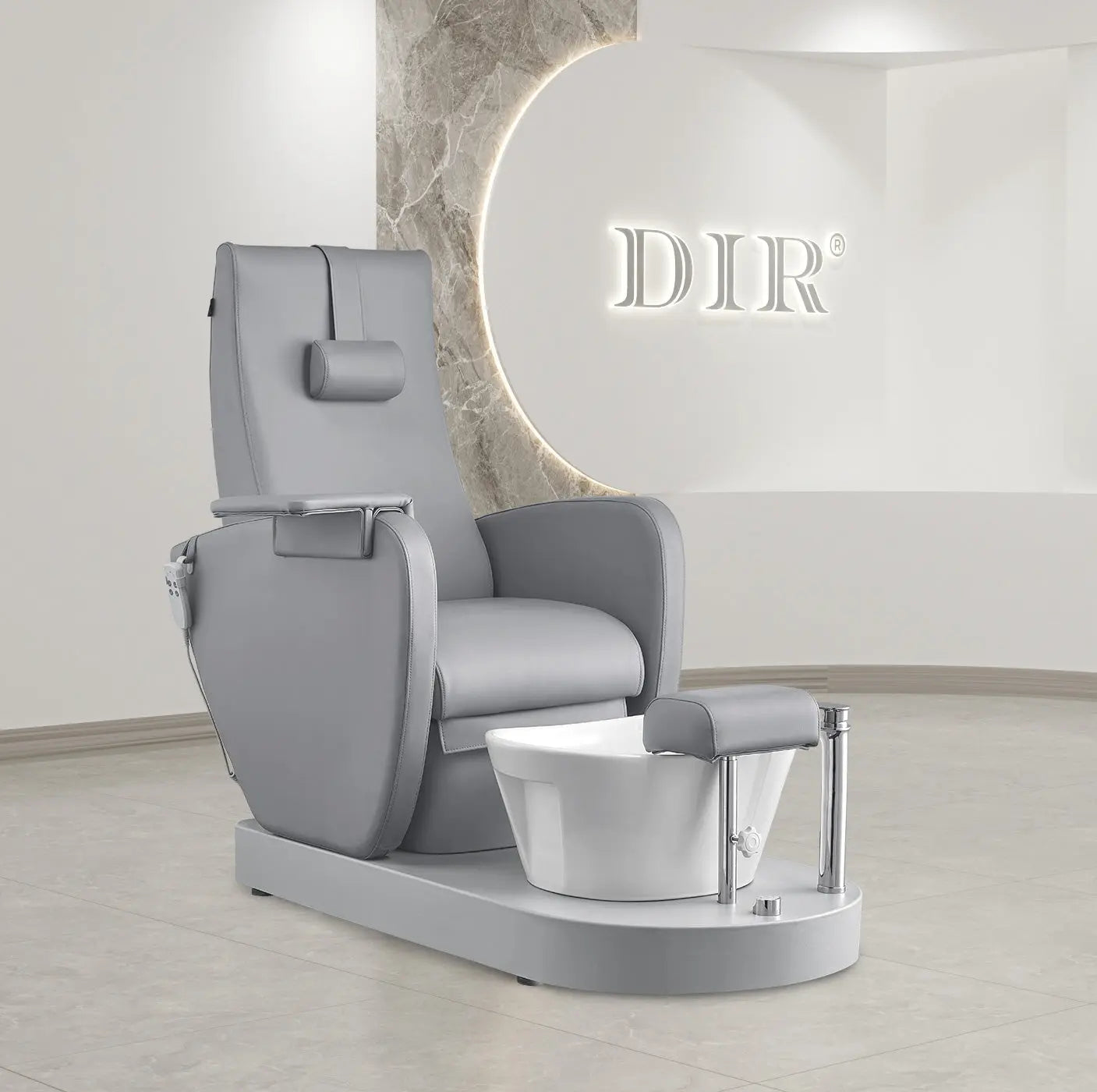
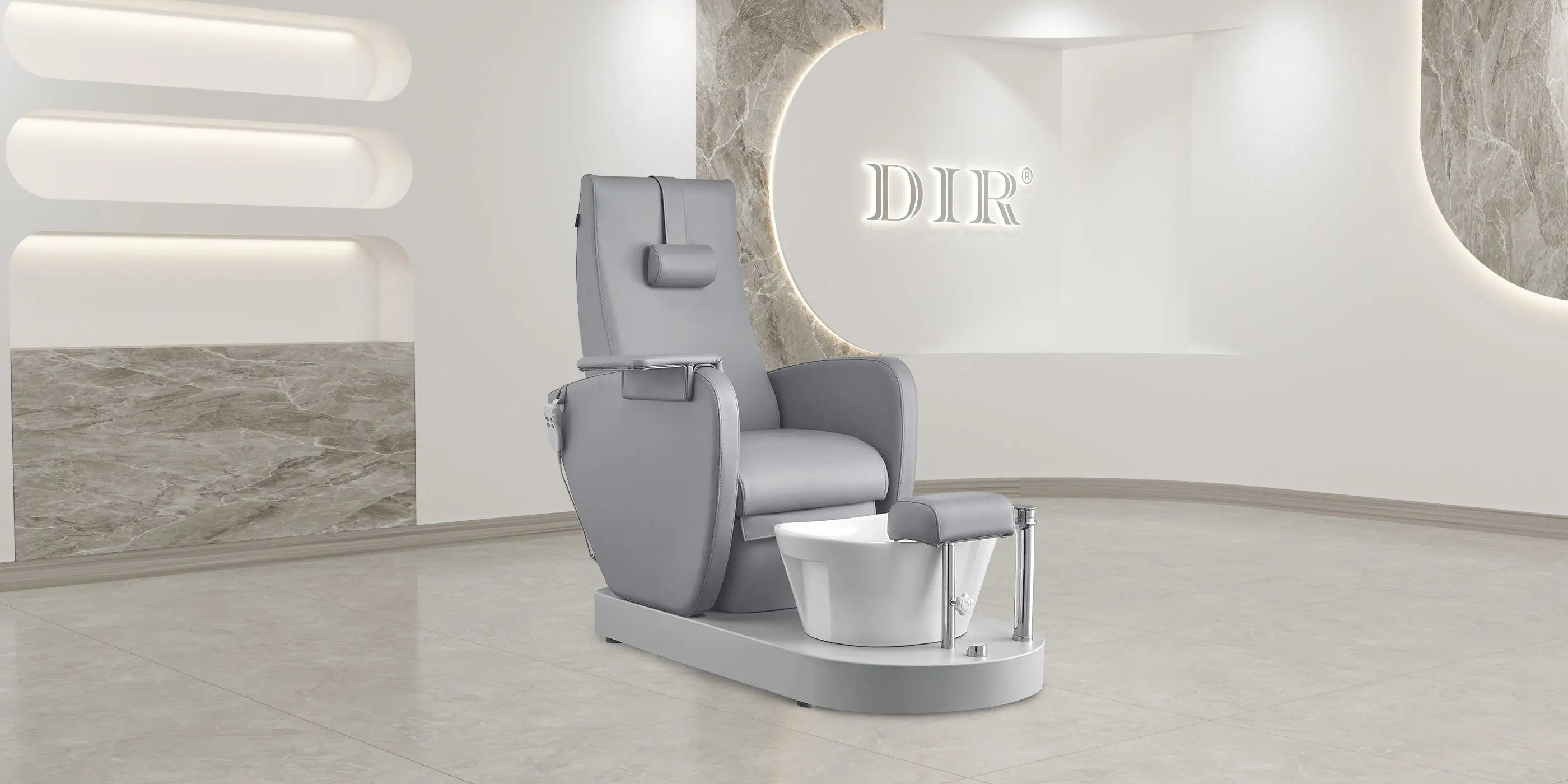
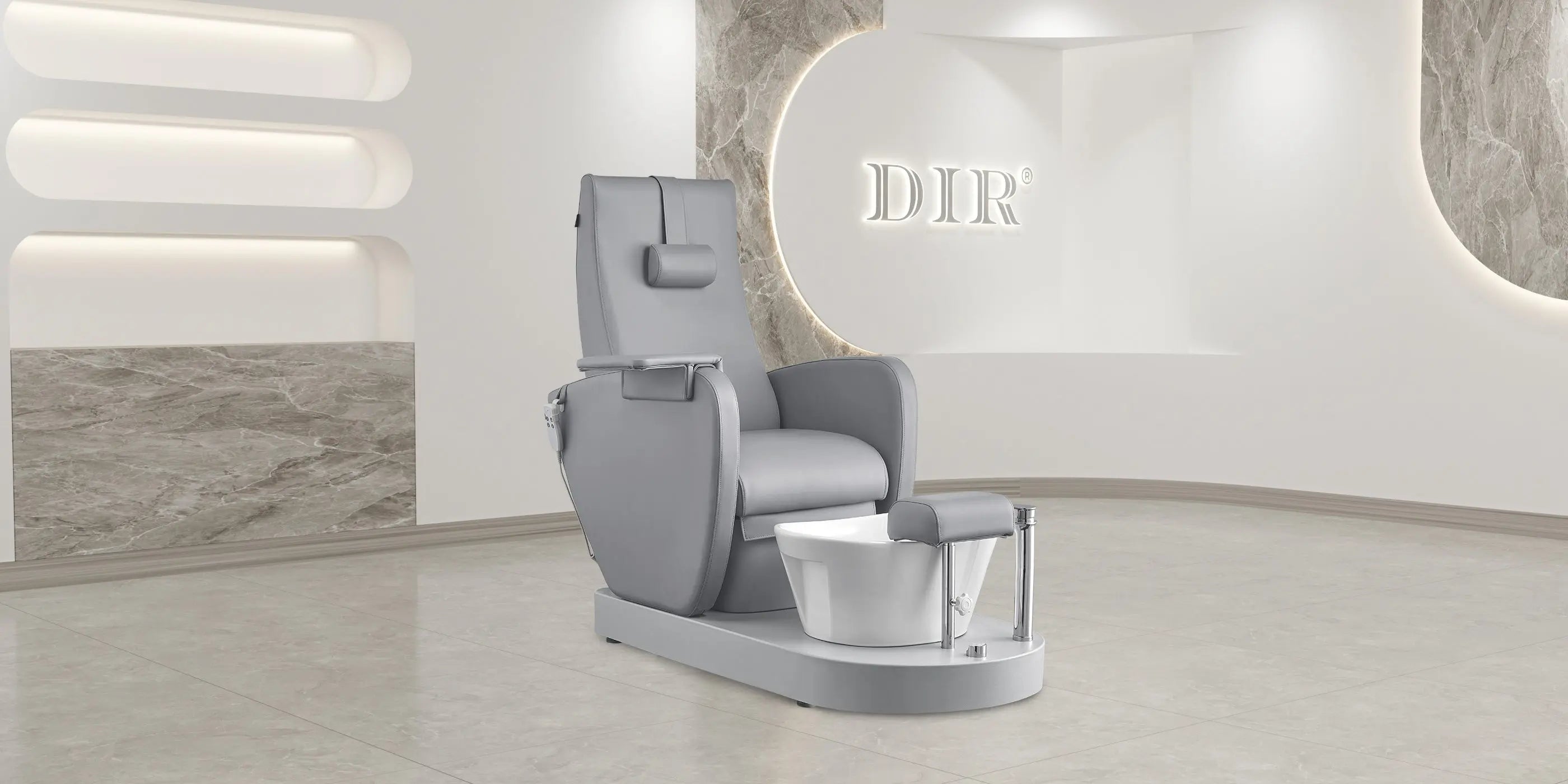
Mid-range electric beauty beds, priced £700-£1,200, dominate the 2025 market due to their motorized controls for height (50-90 cm), tilt, and recline. Brands like DIR offer models such as the DIR Electric Beauty Bed at around £800, featuring 2-4 motors for seamless positioning that reduces adjustment time by 30%. Premium options, exceeding £1,500, include advanced features like memory settings and heated surfaces, suiting high-end spas in London or Manchester.
Beauty chair beds, which convert from upright to flat, add versatility for multi-treatments and cost £550-£1,000, making them a space-saving choice for urban UK salons. To balance cost, assess your salon's needs: opt for hydraulic if budget is tight (£300-£700) or electric for long-term efficiency, where the 15-20% productivity boost justifies the investment.
Key Features to Prioritize for Quality Without Overspending
Quality ensures durability and client satisfaction, but focusing on essentials prevents unnecessary costs. Start with padding: high-density foam (7-10 cm thick) provides ergonomic support, preventing pressure points during extended facials—essential in a market where client retention hinges on comfort. Avoid thin padding under £400, as it flattens quickly, leading to replacements sooner.
Adjustability is crucial for therapist efficiency. Electric models with button controls or foot pedals reduce strain by 80%, cutting sick days by 22%—a hidden cost saver. For budgets under £600, hydraulic pumps offer smooth operation without motors, lasting longer with minimal maintenance.
Upholstery matters for hygiene: PU or PVC leather resists stains from oils and lotions, meeting UK standards like BS 5852 for fire-retardancy. Antimicrobial options add £100-£200 but ensure compliance with hygiene regulations, vital post-2025 trends in wellness integration. Frames should support 200kg+ with stable metal or wood construction to prevent wobbling, a common issue in cheaper imports.
Stability and load capacity are non-negotiable for safety, as per the Electrical Equipment (Safety) Regulations 2016 for electric beds. Look for UKCA certification to avoid fines. Multifunctional features like lockable wheels (£50 extra) enhance mobility in small spaces, balancing quality with practicality.
Setting a Realistic Budget and Avoiding Hidden Costs
Determine your budget based on salon size and volume: small UK salons (under 5 therapists) can start at £500 for a hydraulic beauty couch, while larger ones benefit from £1,000 electric models for ROI through faster treatments. Factor in delivery (£50-£100) and VAT (20%), plus ongoing costs like cleaning supplies.
Hidden expenses erode savings: low-quality beds (£200-£300) may need repairs within a year, costing £200+, while premium ones last 5-10 years with 30% lifespan extension via maintenance. Electric beds, though 2-3 times pricier, reduce therapist injuries, saving on absenteeism in a sector employing over 603,000. Calculate total ownership: a £800 electric bed pays off in 18 months via 20% more appointments.
Seek warranties: aim for 5 years on structure and 2-3 on electrics from brands like DIR. Trials (100 nights) and old bed recycling (£40-£50) add value. Financing from suppliers spreads costs, making quality accessible.
Researching Reputable Brands and Suppliers in the UK
In 2025, top brands balance innovation and affordability. DIR leads with UKCA-certified electric beauty beds like the DIR Ink-3G (£749), praised for overload protection and stability. Affinity offers sustainable options from £600, aligning with eco-trends.
Trusted suppliers like DIR Store, provides fast UK delivery and support. Read reviews on YouTube or Trustpilot: DIR models score 4.8/5 for durability. Avoid unverified imports; stick to UK-based for compliance and warranties. Compare via sites like DSSE, where sales drop prices to £550.
Evaluating Long-Term Value and ROI
Quality trumps cheap buys: a £1,000 electric beauty bed boosts client satisfaction by 20%, increasing retention and revenue in a £32.4 billion spending market. Maintenance—daily wipes with mild cleaners and monthly checks—extends life, avoiding £500 repairs.
ROI metrics: electric beds enable 15% more treatments, recouping costs in 12-18 months. For sustainability, eco-materials reduce environmental costs, appealing to 56.3% online-savvy consumers. Test via demos or trials to ensure fit.
Conclusion
Balancing cost and quality when buying a beauty bed in the UK involves prioritizing essentials like padding, adjustability, and certifications while setting a budget that considers long-term ROI. In 2025's booming market, investing in brands like DIR ensures durability and efficiency without overspending. Whether opting for a £500 hydraulic beauty couch or a £1,000 electric model, focus on value to elevate client experiences and salon success. Explore options at DIR Store for compliant, high-quality beauty beds tailored to UK needs.