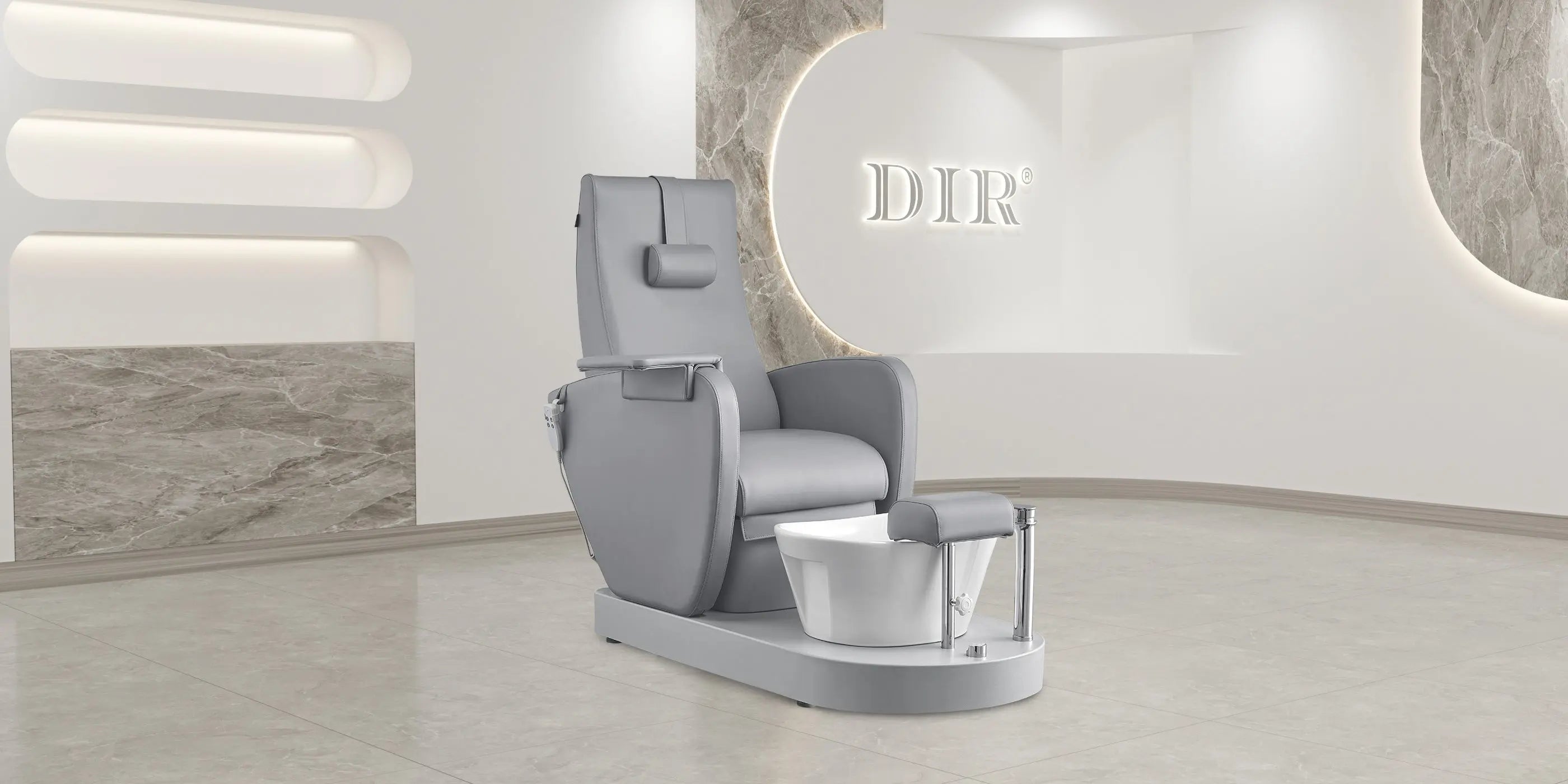
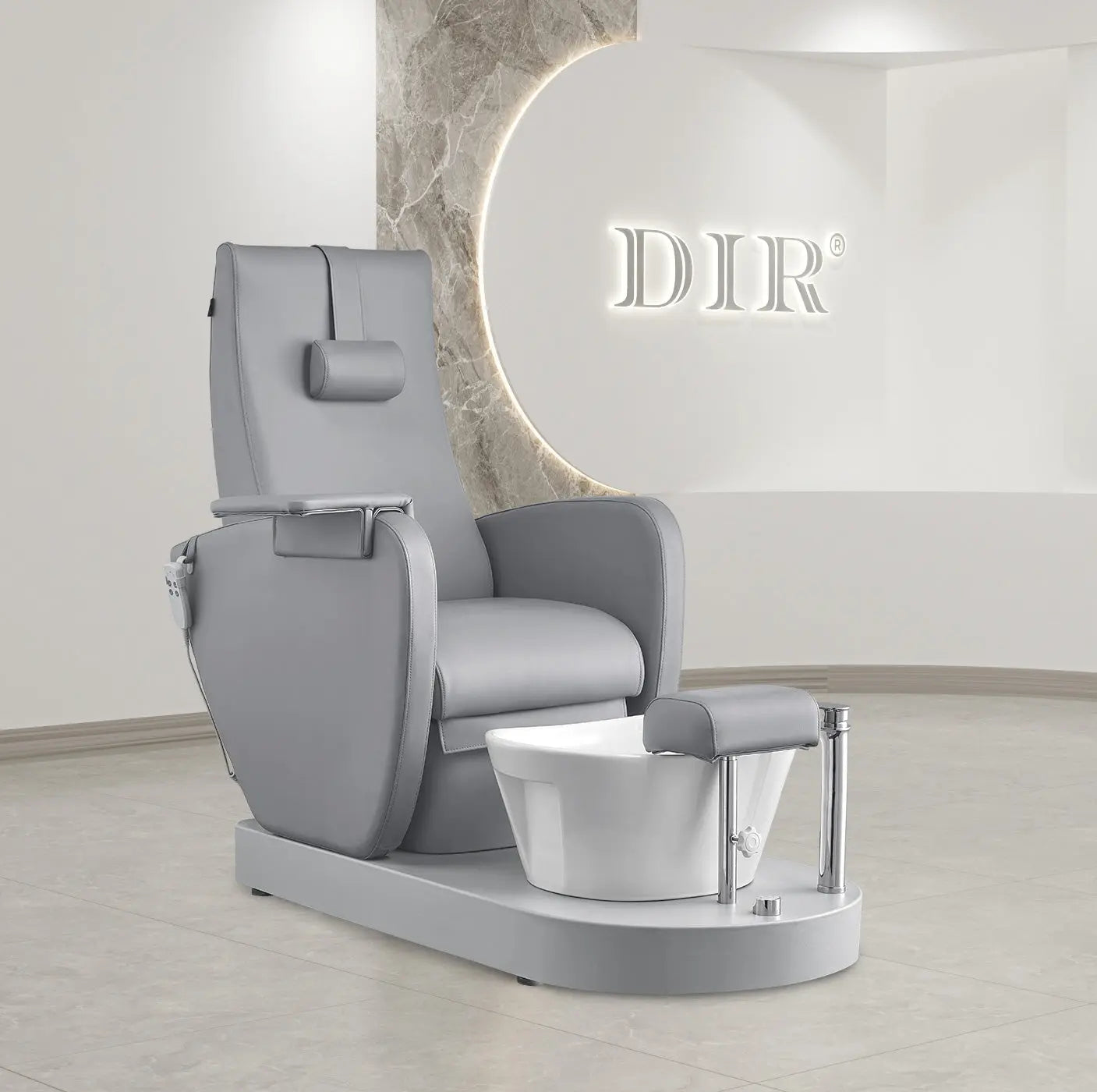
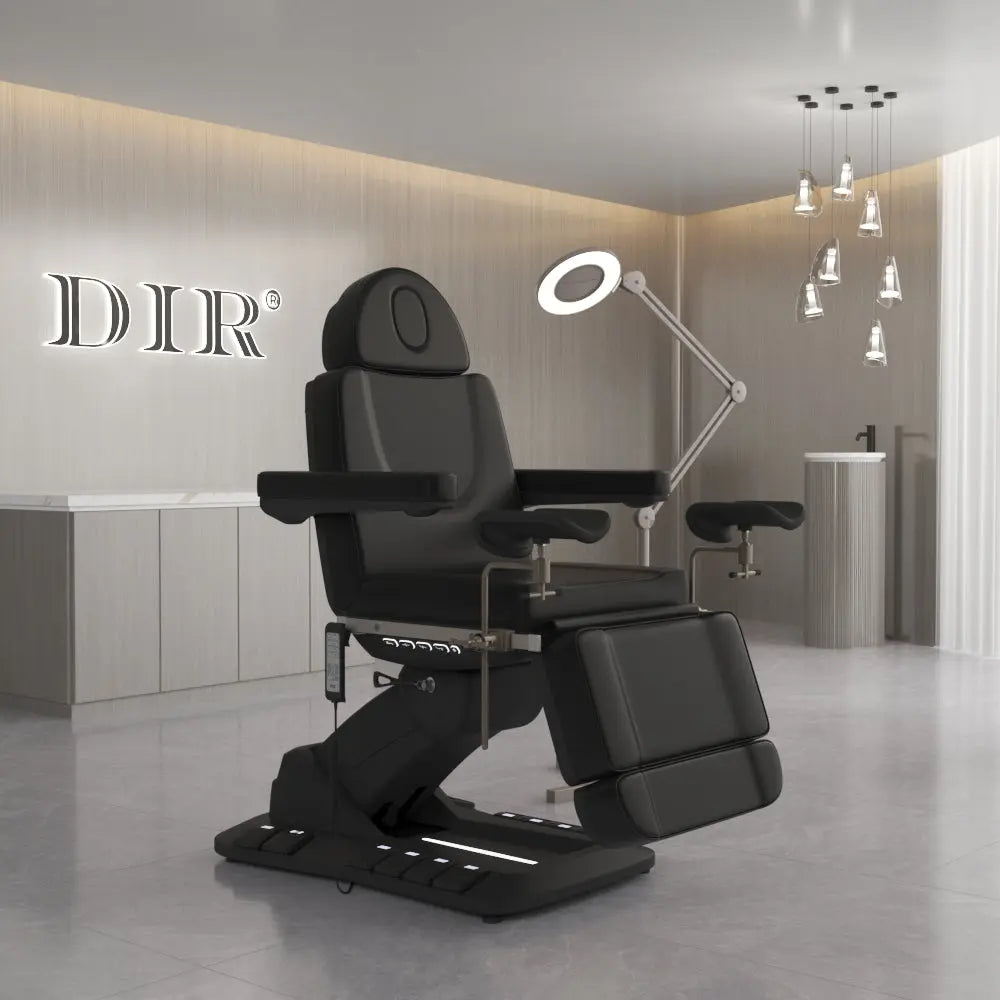
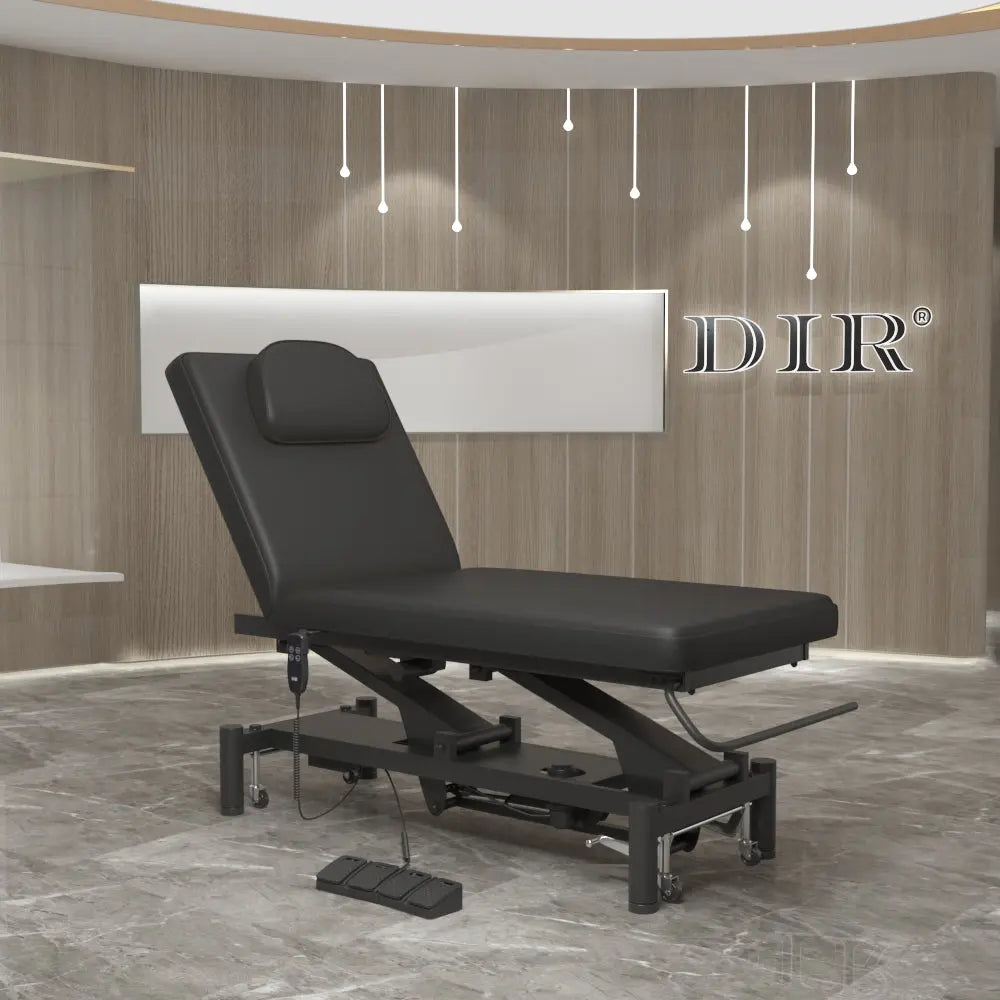
In the UK’s thriving £27 billion beauty industry, beauty couches—also known as beauty beds or treatment couches—are the cornerstone of busy salons, enduring constant use from treatments like facials, massages, and waxing. With 80% of UK clients associating well-maintained salon furniture with quality service, according to 2024 industry research, proper cleaning and maintenance of beauty couches are critical for maintaining a professional image, ensuring hygiene compliance, and extending equipment life. In high-traffic salons in cities like London, Manchester, or Glasgow, where daily client volumes are high, these practices are even more essential. This guide provides practical, UK-focused tips to clean and maintain your beauty couch, ensuring it remains stylish, functional, and compliant with the UK’s stringent hygiene standards in 2025.
Why Beauty Couch Maintenance Matters in Busy UK Salons
Beauty couches face relentless exposure to oils, lotions, makeup, and skin cells in busy UK salons, which can degrade upholstery and compromise hygiene if not addressed. Neglecting maintenance can lead to faded or cracked surfaces, mechanical issues, or odours, resulting in a 15% drop in client satisfaction, as reported by industry surveys. For UK salons, particularly in urban hubs with high client turnover, maintaining a pristine beauty couch is crucial for:
- Client Trust: A clean, well-kept beauty couch signals professionalism and care, with 75% of clients more likely to return to hygienic salons.
- Hygiene Compliance: UK health regulations, such as those enforced by local councils, require salons to maintain strict cleanliness standards to avoid penalties.
- Cost Savings: Regular maintenance extends a beauty couch’s lifespan by up to 30%, reducing replacement costs (average £500-£1,500 for quality models).
UK-Specific Insight: In humid regions like Scotland or Wales, where moisture can lead to mildew, and urban areas like London with high air pollution, proactive beauty couch care is essential to prevent damage and maintain client appeal.
Daily Cleaning: Keeping Your Beauty Couch Pristine
Daily cleaning is the foundation of beauty couch maintenance, ensuring hygiene and preserving aesthetics in a busy UK salon environment.
- Wipe Down After Each Client: Use a soft, damp microfibre cloth with a pH-neutral, salon-approved cleaner (e.g., Barbicide Surface Spray, £6-£10) to remove oils, makeup, and product residue from the beauty couch’s surface. Faux leather, used by 70% of UK salons for its durability, is particularly prone to oil buildup, which can cause cracking if not cleaned promptly.
- Dry Thoroughly: After cleaning, wipe the couch with a dry microfibre cloth to prevent moisture buildup, which can lead to mildew or odours in the UK’s damp climate, especially in areas like Cardiff or Edinburgh. A dry surface ensures a fresh, professional look for each client.
- Use Disposable Covers: Place disposable or washable covers (e.g., paper or cotton sheets, £10-£20 for 50) over the beauty couch during treatments to protect upholstery from lotions, dyes, or jewellery scratches. This is critical in high-traffic salons with 10-20 clients daily.
Pro Tip: For electric beauty couches, avoid letting cleaning solutions seep into motors or control panels, as this can cause electrical damage costing £100-£200 to repair. Check manufacturer guidelines (e.g., from UK suppliers like Dir Store) for safe cleaning practices.
Protecting Upholstery for Long-Term Durability
The upholstery of a beauty couch is its most visible and vulnerable component, directly impacting client perceptions and requiring careful protection.
- Use Protective Layers: Place a soft towel or disposable sheet (available for £15-£25 per roll) over the couch during treatments to shield faux leather or vinyl from product residue and sharp objects like tweezers or client accessories. This practice, adopted by 60% of UK salons, extends upholstery life by preventing nicks and stains.
- Avoid Harsh Chemicals: Steer clear of bleach or alcohol-based cleaners, which can degrade faux leather, causing cracks within 1-2 years. Opt for pH-neutral cleaners recommended by UK suppliers to maintain the integrity of materials like those on DIR Ink-3G couches (£749).
- Spot-Treat Stains Immediately: For stubborn stains (e.g., from tanning products or hair dye), use a mild soap solution and a soft brush, then dry immediately to prevent discolouration. Delaying stain treatment can reduce upholstery lifespan by 20%.
UK Market Tip: In eco-conscious cities like Brighton, consider beauty couches with recyclable faux leather to align with client values while ensuring easy-to-clean surfaces that withstand daily use.
Maintaining Moving Parts for Smooth Operation
Many beauty couches, especially electric or hydraulic models, feature adjustable components like headrests, footrests, and reclining mechanisms. Regular maintenance prevents breakdowns, ensuring seamless treatments in busy salons.
- Weekly Inspections: Check joints, screws, and hinges weekly for looseness or wear, tightening with a screwdriver (e.g., £5 toolkits from hardware stores). Apply a manufacturer-approved lubricant (e.g., silicone spray, £8) to moving parts to keep adjustments smooth. Industry data shows 60% of beauty couch faults in UK salons stem from neglected moving parts.
- Electric Components: For electric beauty couches, inspect cables, plugs, and control panels for fraying or wear, ensuring compliance with BS EN 60601 safety standards. Schedule annual professional servicing (£100-£200) to maintain warranties and prevent motor issues costing up to £300 to repair.
- Hydraulic Systems: For hydraulic beauty couches, test foot pumps weekly to ensure smooth operation. Dual-pump systems, common in UK models, offer greater longevity but require occasional lubrication to avoid stiffness, which can slow treatments by 20%.
Statistic: Regular maintenance of moving parts extends a beauty couch’s lifespan by 30%, saving UK salons £500-£1,000 in replacement costs over 5-7 years.
Smart Positioning to Prevent Environmental Damage
The placement of your beauty couch can significantly affect its longevity, particularly in the UK’s variable climate.
- Avoid Direct Sunlight: Prolonged UV exposure through windows can fade upholstery and dry out materials, reducing lifespan by 15%. In sunny UK cities like Bristol or Brighton, use light curtains (£20-£50) or reposition couches to protect them.
- Keep Away from Heat Sources: Radiators or heaters, common in UK salons during colder months, can weaken upholstery and damage electric or hydraulic components. Maintain a 1-metre distance to preserve integrity.
- Ensure Ventilation: In humid areas like Glasgow or Cardiff, proper ventilation prevents moisture buildup, which can cause mildew on beauty couches. Use dehumidifiers (£50-£100) in damp regions to maintain a dry environment.
UK-Specific Insight: The UK’s damp climate, especially in coastal or northern regions, requires anti-mildew upholstery (available on models like DIR’s £899 couches) to prevent damage and maintain hygiene.
Proper Handling to Minimise Wear and Tear
Rough handling in busy UK salons can strain beauty couch frames, upholstery, and mechanisms, particularly with 10-20 daily clients.
- Train Staff: Educate your team to avoid dragging beauty couches across floors (which can damage legs, costing £50-£100 to repair) or leaning heavily on one side. For electric models, ensure proper use of controls to avoid motor strain (£200-£300 repair cost).
- Assist Clients Safely: Provide step stools (£15-£30) for clients to access higher beauty couches, reducing frame stress and upholstery wear. This is especially helpful for elderly or less mobile clients, a growing demographic in the UK (15% of beauty clients in 2025).
- Respect Weight Limits: Adhere to the weight capacity (typically 200 kg for modern UK models) to avoid damaging motors or hydraulic systems. Overloading can lead to repairs costing £150-£400.
Covering Beauty Couches When Not in Use
Protecting your beauty couch from dust and spills during downtime is a simple way to extend its life, especially in urban UK areas like London with high air pollution.
- Use Breathable Covers: Invest in fitted, breathable covers (£20-£40) to shield the couch from dust without trapping moisture, critical in the UK’s humid climate. Covers like those from UK suppliers prevent surface degradation.
- Store Properly: For mobile therapists or during salon renovations, store beauty couches in a cool, dry environment (e.g., 15-20°C, <60% humidity) to prevent material damage. This is vital in damp regions like Scotland.
Special Considerations for Electric Beauty Couches
Electric beauty couches, popular in 30% of UK salons for their automation, require specific care to maintain advanced features like memory settings or heating functions.
- Inspect Electrical Components: Check cables and plugs weekly for wear, ensuring compliance with BS 7671 electrical standards. Faulty wiring can cost £100-£250 to fix and risks downtime.
- Clean Around Motors: Use a dry cloth to clean near motors, avoiding liquid ingress that could cause malfunctions. Annual servicing by UK technicians ensures longevity.
- Update Firmware: For smart models with app-connected controls, apply manufacturer updates to maintain responsiveness, enhancing client comfort in tech-savvy salons.
Statistic: Improper maintenance causes 15% of electric beauty couch issues in UK salons, highlighting the need for diligent care to protect investments averaging £800-£1,500.
Choosing Durable Beauty Couches for Busy UK Salons
When selecting a beauty couch, prioritise durability to minimise maintenance:
- High-Quality Materials: Opt for faux leather or vinyl upholstery, resistant to oils and easy to clean, used by 70% of UK salons. Eco-friendly options appeal to clients in cities like Brighton.
- Reputable Suppliers: Choose UK suppliers like Dir Store, offering couches with 1-3 year warranties and maintenance guides tailored to busy salons.
- Sturdy Design: Select models with robust frames (steel or hardwood) and high weight capacities to handle daily use (10-20 clients).
Conclusion
Cleaning and maintaining your beauty couch in a busy UK salon is essential for ensuring durability, hygiene, and client satisfaction. By implementing daily cleaning, protecting upholstery, maintaining moving parts, and positioning couches wisely, salon owners can extend equipment life by up to 30%, saving £500-£1,000 in replacements. In a competitive market, a well-maintained beauty couch reinforces your salon’s professionalism, complies with UK hygiene standards, and keeps clients returning.
For UK salon owners seeking durable beauty couches, explore the high-quality range at DIR Store, designed for busy salons with style and longevity in mind.