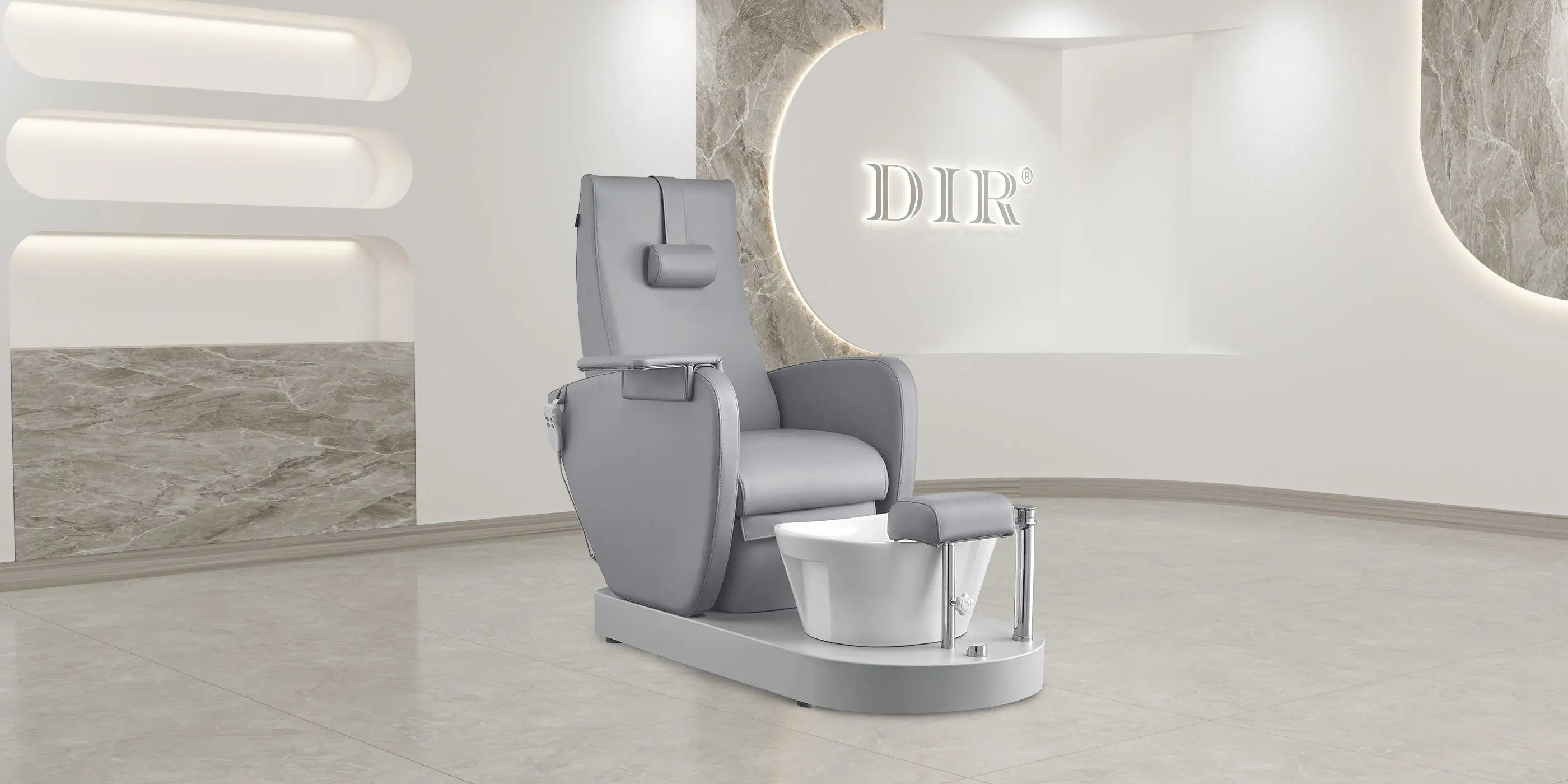
In the rapidly advancing field of aesthetic medicine, integrating a cosmetic bed for facials with skincare machines is transforming how professionals deliver comprehensive care. As of August 2025, with the global beauty devices market projected to reach $60.48 billion, driven by innovations in personalization and smart technology, this synergy is essential for enhancing treatment outcomes. Procedures like facials, fillers, and beauty treatments benefit immensely from pairing adjustable treatment beds with tools such as ultrasonic devices, which promote deep tissue stimulation and skin renewal. This integration not only streamlines workflows in clinics and spas but also boosts client satisfaction by offering holistic, efficient treatments. In this guide, we'll explore the role of cosmetic beds for facials in supporting skincare machines, key features for seamless pairing, benefits, emerging trends, and best practices to achieve optimal results.
How a Cosmetic Bed for Facials Supports Skincare Machines
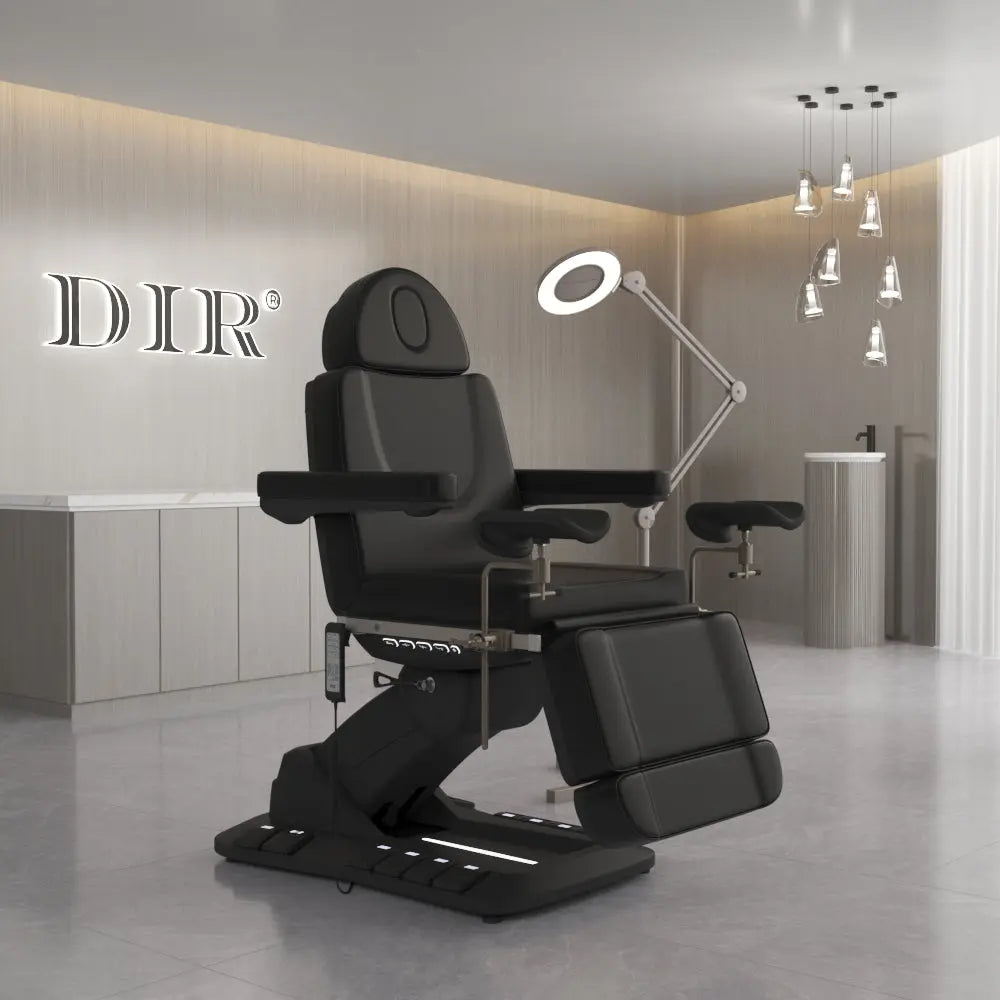
Cosmetic beauty equipment, including versatile cosmetic surgery tables and robust treatment beds, forms the backbone of modern aesthetic setups. These tables provide stable, adjustable platforms for procedures, while skincare machines like ultrasonic therapy units, LED devices, and microdermabrasion tools deliver targeted skin enhancements. Integration means designing workflows where the bed complements the machine's functions—for instance, positioning a client at a precise angle on an electric cosmetic bed for facials to optimize ultrasonic wave penetration for deeper cleansing and collagen stimulation.
According to industry insights, incorporating aesthetic devices into dermatologic practices offers advantages like expanded service offerings and improved patient retention. Ultrasonic devices, in particular, use high-frequency sound waves to exfoliate, hydrate, and stimulate tissue, making them ideal for pre- and post-procedure care when paired with a stable treatment bed. This setup is crucial for minimally invasive treatments, where precision positioning reduces risks and enhances efficacy. As regenerative treatments gain traction in 2025, such integrations support skin quality enhancement, aligning with trends toward natural rejuvenation.
Key Features to Look for in a Cosmetic Bed for Facials
Successful integration hinges on features that ensure compatibility between a cosmetic bed for facials and skincare machines. Modern treatment beds, often equipped with 2-5 electric motors, allow for multi-directional adjustments—height, tilt, backrest, and rotation up to 120°—enabling practitioners to position clients optimally for device application. For ultrasonic therapy, a tilt function aids in directing waves toward specific facial contours, while lockable casters provide mobility to maneuver around the bed without disrupting the setup.
Look for cosmetic beauty equipment with built-in add-ons like magnifying lamps for precision work during microdermabrasion or UV towel cabinets for hygienic tool storage. Antimicrobial upholstery on the treatment bed, made from beauty-grade faux leather, pairs well with skincare machines by facilitating easy cleaning and preventing cross-contamination. Ergonomic designs, such as compact bases for legroom, enhance practitioner efficiency when using handheld ultrasonic devices over extended sessions. In 2025, user-friendly facial machines with intuitive interfaces are top-rated for estheticians, emphasizing seamless integration to improve workflow and client comfort.
CE-certified designs ensure stability, supporting weights up to 1,000 lbs and complying with safety standards, making them reliable for combined treatments. Accessories like storage trays keep ultrasonic probes and serums accessible, reducing downtime between procedures.
Benefits of Pairing Cosmetic Beauty Equipment with Skincare Machines
Pairing a cosmetic bed for facials with skincare machines yields multifaceted benefits, from clinical efficacy to business growth. Precision features minimize complications in minimally invasive procedures, such as faster recovery with integrated skincare regimens that promote healing before, during, or after treatments. For example, using an ultrasonic device on a reclined treatment bed post-filler enhances product absorption, reducing bruising and swelling.
Client satisfaction soars with personalized care; studies show that hyper-personalized skincare, enabled by device integration, appeals to 72% of consumers willing to pay more for customized solutions. This approach can increase efficiency by 20-40%, allowing more daily appointments without quality loss. In med spas, versatile setups like Emsculpt NEO or Exion with adjustable beds cater to diverse concerns, boosting retention.
Safety is enhanced through stable platforms that prevent slips during device use, aligning with 2025 trends in AI-powered precision for aesthetic medicine. Economically, leasing or buying integrated systems reduces the need for multiple standalone units, offering cost-effectiveness as highlighted in device incorporation guides.
Emerging Trends in 2025
The beauty tech landscape in 2025 is dominated by AI integration, smart devices, and personalization, reshaping how cosmetic beauty equipment pairs with skincare machines. Trends include AI skin analysis for customized regimens, where treatment beds with programmable presets sync with ultrasonic devices for tailored treatments. Wearable and at-home gadgets are extending professional care, but clinic integrations focus on biotech-infused tools for regenerative results.
Digital twins in dermatology promise predictive diagnostics, optimizing bed-machine pairings for individualized plans. Sustainable designs, like eco-friendly ultrasonic machines, complement durable treatment beds, appealing to environmentally conscious clients. The rise of beauty tech software, including virtual try-ons and connected mirrors, enhances in-clinic experiences when integrated with adjustable tables. Market forecasts indicate skincare devices growing to $53.72 billion by 2034, fueled by smart features and app connectivity.
Best Practices for Maintenance and Implementation
To maximize results, implement best practices starting with equipment selection: Choose DIR CE-certified cosmetic surgery tables compatible with your skincare machines, ensuring electrical safety and ergonomic fit. Train staff on integrated protocols, such as positioning for ultrasonic therapy to avoid tissue damage.
Maintenance is key—daily sanitization with mild disinfectants on the treatment bed prevents bacterial buildup, while weekly deep cleans maintain hygiene for device use.