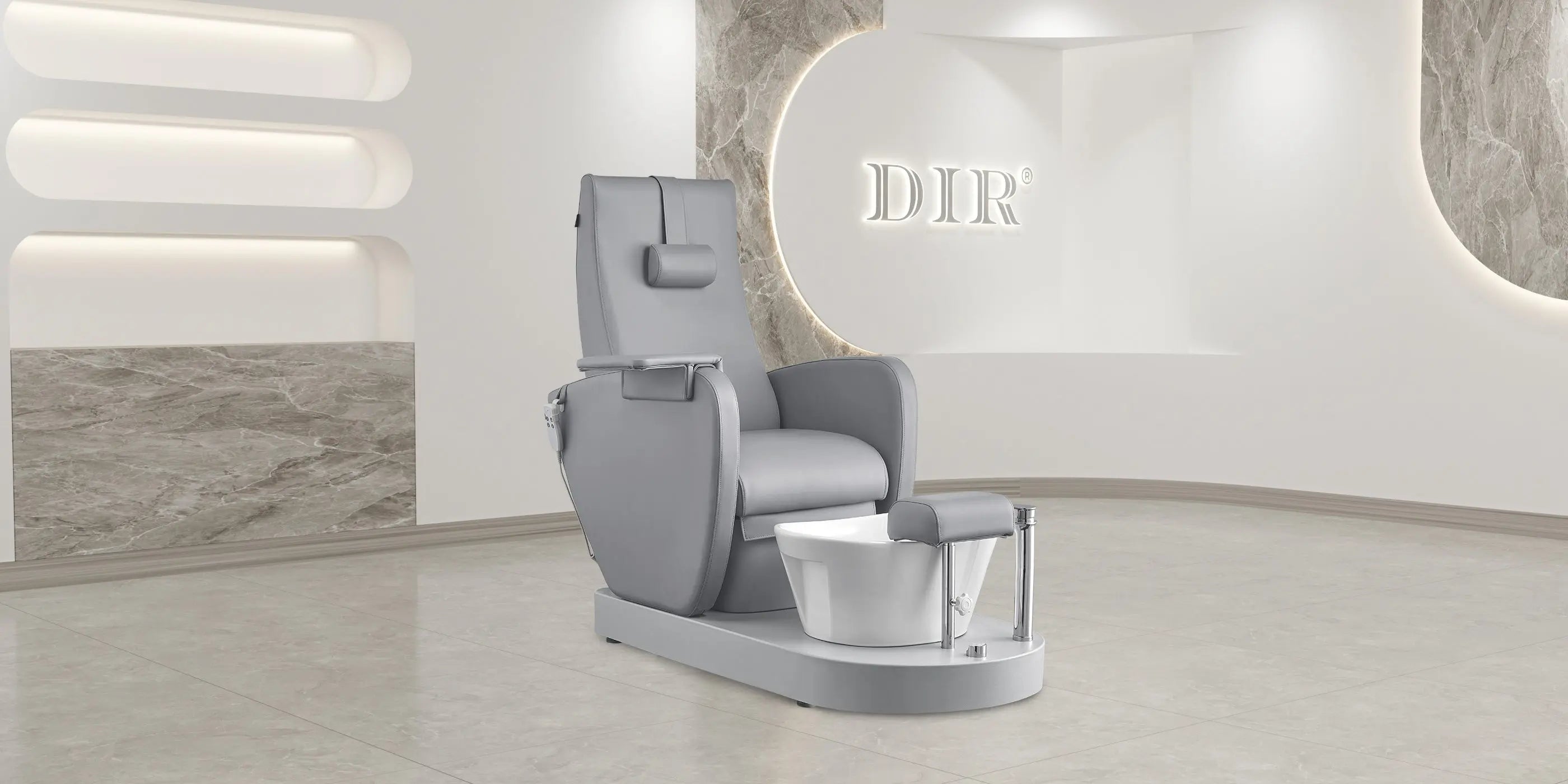
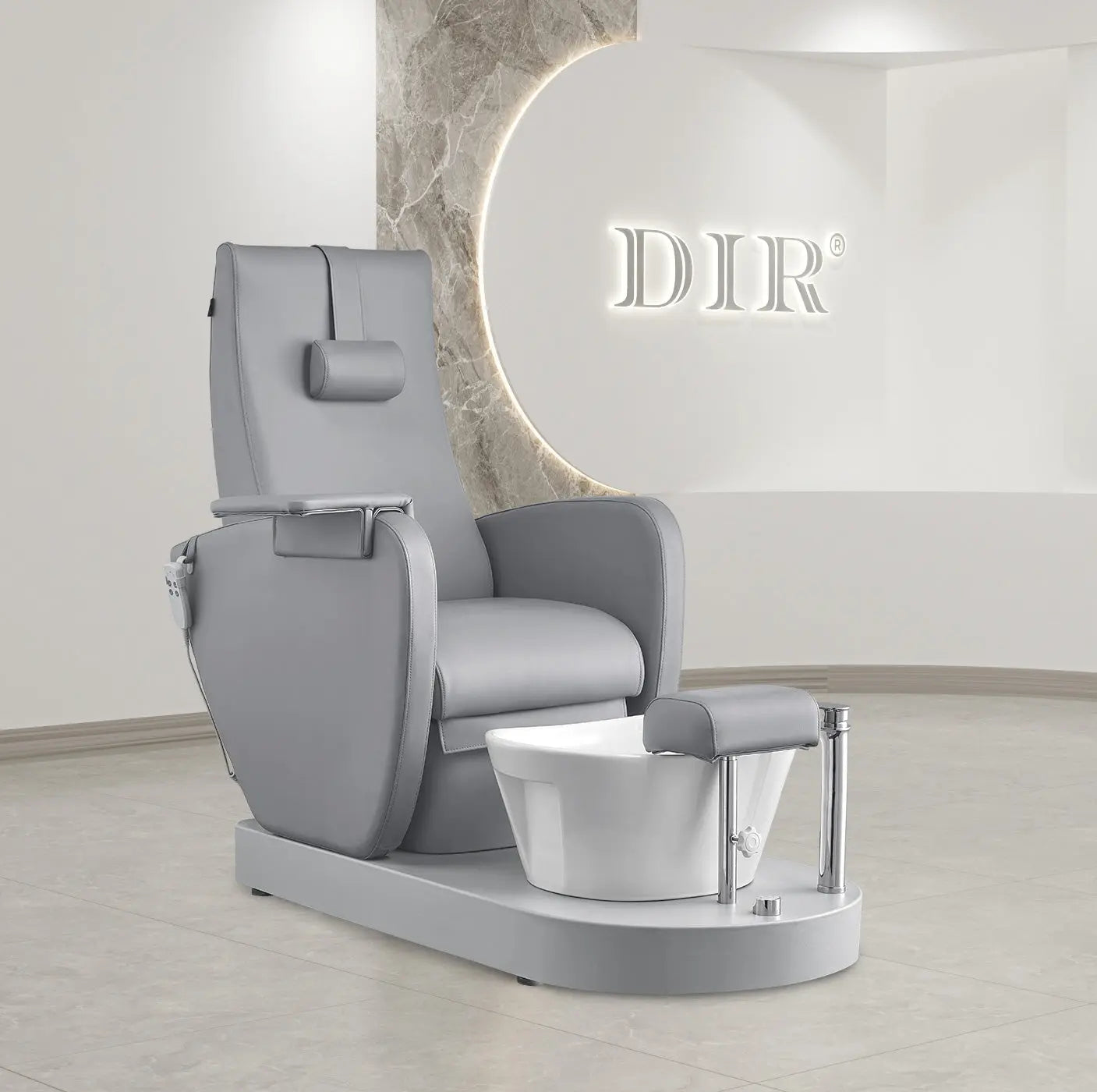
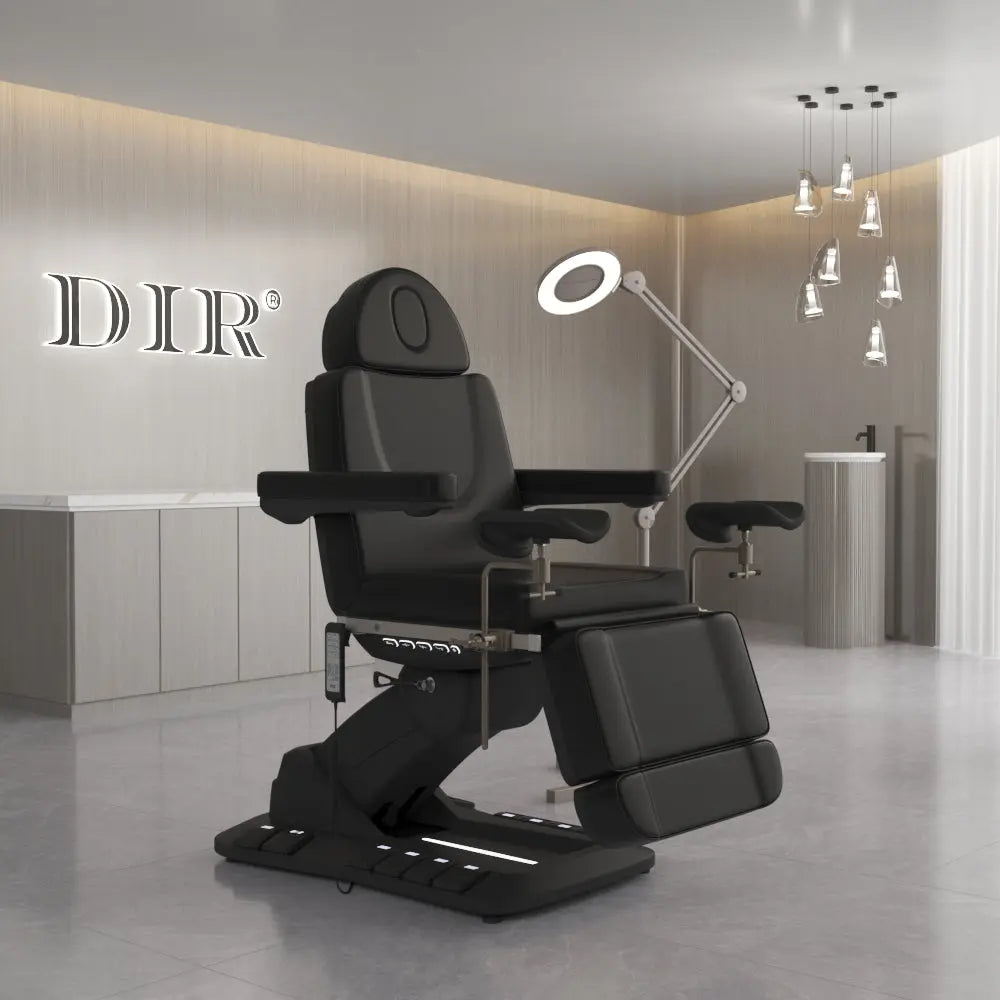
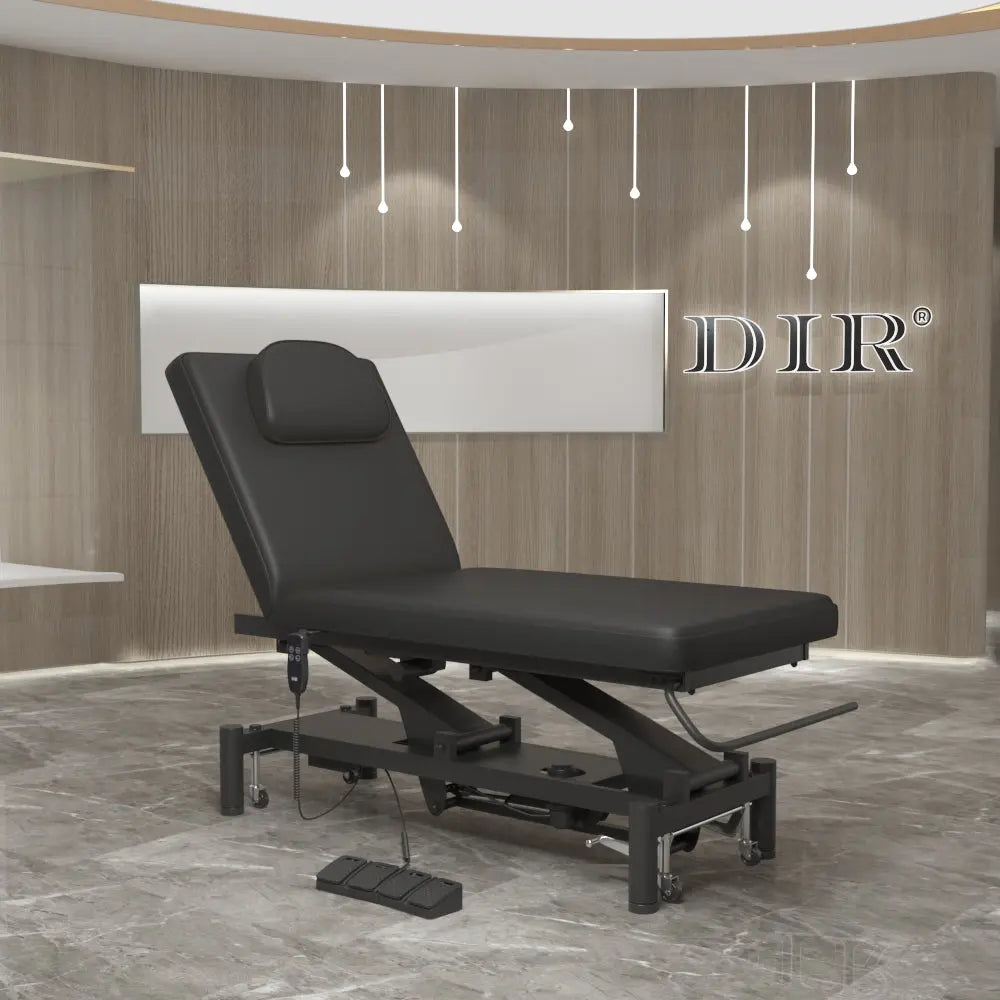
Imagine going into a salon where everything is just right: the lights are soft, the smells are peaceful, and the music is calming. But as soon as your treatment starts, the electric beauty bed emits a loud grinding sound as it moves. That time of peace? Out of here. In salons these days, silence isn't just precious; it's necessary.
The background noise from the equipment might ruin the flow of a spa visit. And for beauty treatments that are all about relaxation or precision, loud tools are a big no-no. You may protect the atmosphere you've worked so hard to establish by choosing electric beauty beds that don't make a lot of noise. This article talks about how noise levels affect client satisfaction, what to listen for when testing a beautician bed, and how to compare models in a useful way.
Why Noise Matters in Electric Beauty Beds for a Salon Setting
People don't only come for a facial or massage; they come for tranquility. A loud salon bed can make it harder to reach that goal. A survey by the Global Wellness Institute indicated that 71% of clients said that background noise was an important aspect of their treatment pleasure.
That's because noise doesn't just break up the flow; it also makes things tense. Some people may be stressed out by a loud beauty bed electric motor, especially during longer beauty treatments or procedures that need them to stay motionless. Even minor buzzing or clicking sounds might add up and make you feel bad.
On the other hand, a silent electric beauty bed allows clients relax completely. It sets the mood for the whole session. And if your business is all about high-end service, that calm atmosphere becomes part of your client experience.
What Causes Noise in Electric Beauty Beds?
There are differences between electric beauty beds. Some have motors that aren't very good or frames that aren't very well designed, which causes vibration or friction that isn't needed while they work. These are the most common causes of too much noise:
One common problem is that the motor isn't insulated well. If the internal motor doesn't have the right damping, vibrations go directly through the salon bed structure. Another thing to think about is the quality of the gear. When you raise or lower the bed, the gears on cheaper models can move in a jerky and loud way. When a heavier customer lies down, loose pieces and weak joints can also rattle under strain.
Lastly, a lot of hydraulic beauty beds that have been changed to electric have a simple motor design that doesn't have smooth start-stop operations. That abrupt shock? That's the motor running without sufficient control.
How to Test a Bed for Quiet Operation
Don't simply read the specs—listen to them in person. Try out the electric beauty bed yourself whenever you can. Pay great attention to each sound it makes as you move it up and down and tilt the parts. A good electric beauty bed should make a subtle, low hum, like a whisper. A clicking, squeaking, or grinding sound is a bad sign. Better models will also speed up more slowly, which will cut down on the jolt you hear when adjustments start or end.
Check the sound when it's heavy. Some beds are quiet until someone gets in them. After that, the frame begins to creak. That's why testing the beautician bed in real life provides you a better idea of how it will work during treatments.
Motor Types and Noise Levels
The power and sound level of motors are different. For instance, many current electric beauty beds use linear actuators because they work quietly. These motors move in a straight line and don't need belts or chains, which means they make less noise because they have fewer moving parts.
Older gear-based systems, on the other hand, may be stronger when it comes to lift, but they are also noisy. In the specs, several brands now provide decibel levels. People say that anything below 50 dB is "whisper-quiet," while anything above 60 dB might be heard, especially in small treatment rooms. According to a study by Beauty Equipment Insider, models with enclosed linear actuators were 35% quieter on average than previous hydraulic beauty bed conversions.
Think Long-Term: Maintenance and Wear
If you don't take care of them, even the quietest electric beauty beds can get noisy over time. Dust, hair, and leftover product might get stuck in the motors and joints. That makes things rub against each other, which makes more noise. Plan frequent maintenance to keep things quiet. Put oil on moving parts. Around the base of the motor, clean. Every day, check to see if any screws or bolts are getting loose and tighten them.
According to a 2025 Salon Operations Report, salons that implemented quarterly maintenance schedules saw a 48% drop in service calls linked to noise. That's time and money saved, and clients are happier too.
Features That Support Silent Operation
Some features are made to make less noise. Look for soft-close technology in the motor. This slows down the change before it stops completely. Anti-vibration pads under the salon bed also assist keep the floor quiet, especially in buildings with wooden floors. Another strategy is to look for full-length frames that are balanced in weight.
These frames spread out movement equally, which makes them less likely to wobble or clang. A decent electric beauty bed should not feel hollow or unstable; it should feel solid and smooth. Aesthetic bed makers typically add features like soundproof motor casings and slides on the leg base that cut down on noise. When you're working in a quiet treatment environment, these small things make a tremendous difference.
Consider the Client’s Position
When clients lie on their backs with their eyes closed and ears open, they can hear better. That implies that sounds coming from underneath or around the headrest are very loud. Pick electric beauty beds with motors in the back or cloth that blocks noise around the head area.
Some types have double-padded upholstery that not only makes them more comfortable but also absorbs little sounds. If you're going to give someone a massage or a facial, make sure your beautician bed moves smoothly so it doesn't wake up or frighten a customer who is almost asleep. A good bed will feel like it glides, not jerks.
The Impact on Staff Focus
Not only do clients benefit from electric beauty beds that are quieter. A tranquil environment is preferable for therapists and beauticians. Constant mechanical noise can make you nervous and make it hard to focus, especially when you're doing things that require a lot of care, like shaping your brows or microneedling.
When beauty equipment is quiet, there are less distractions, communication with clients is clearer, and the workflow is smoother overall. And in smaller salons, where noise travels swiftly off the walls, every decibel matters.
Conclusion
The correct tools are the first step to a completely soothing massage. If your electric beauty beds make noise, such creaking, buzzing, or rattling, it disrupts the trust you're trying to develop in the room. Comfortable quietness goes hand in hand with client satisfaction. So pay close attention before you buy your new beauty bed electric. Your clients will.
To explore noise-tested, professional-grade electric beauty beds that match modern salon needs, visit Dir store for trusted options built for quiet comfort.