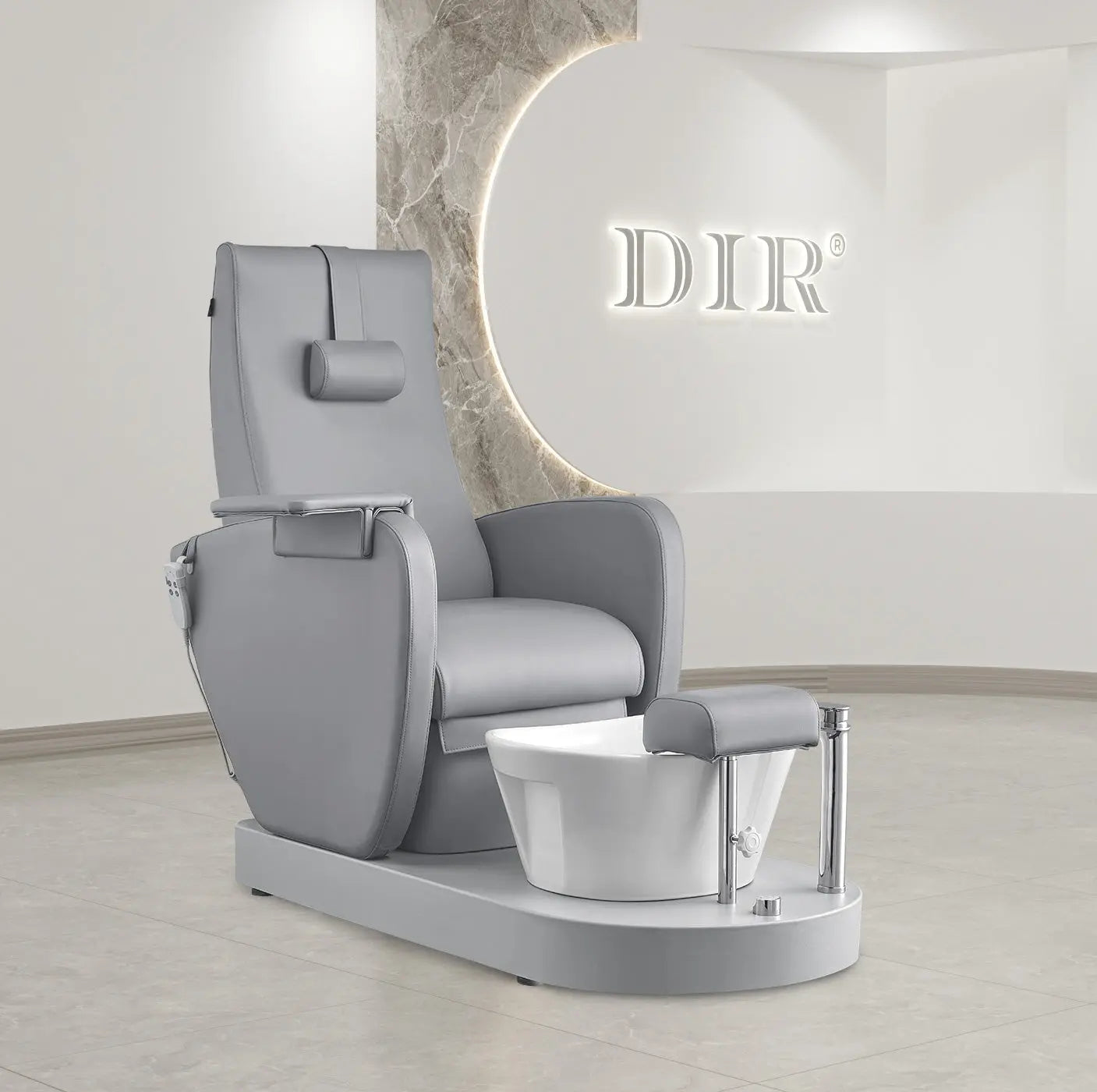
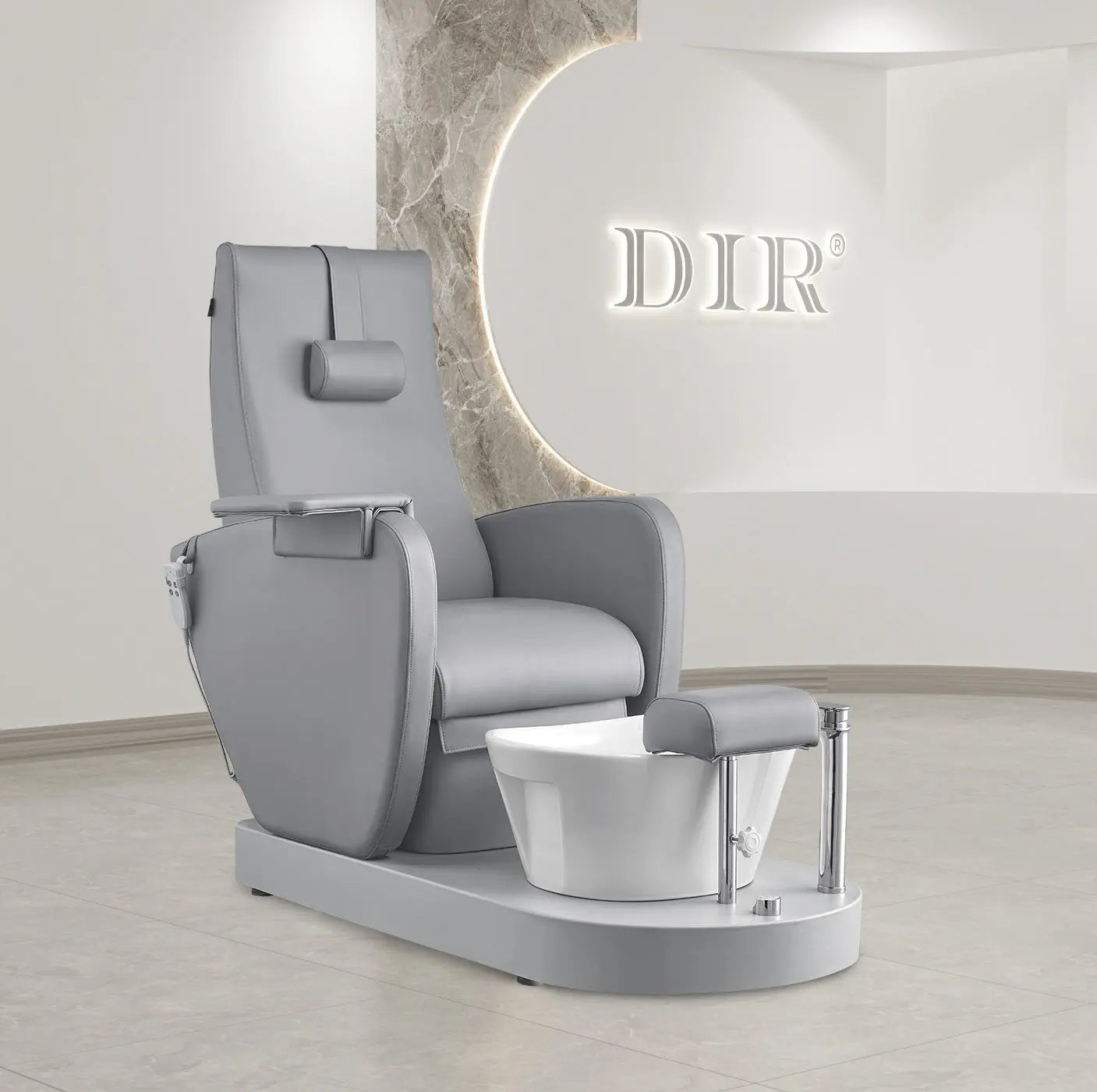
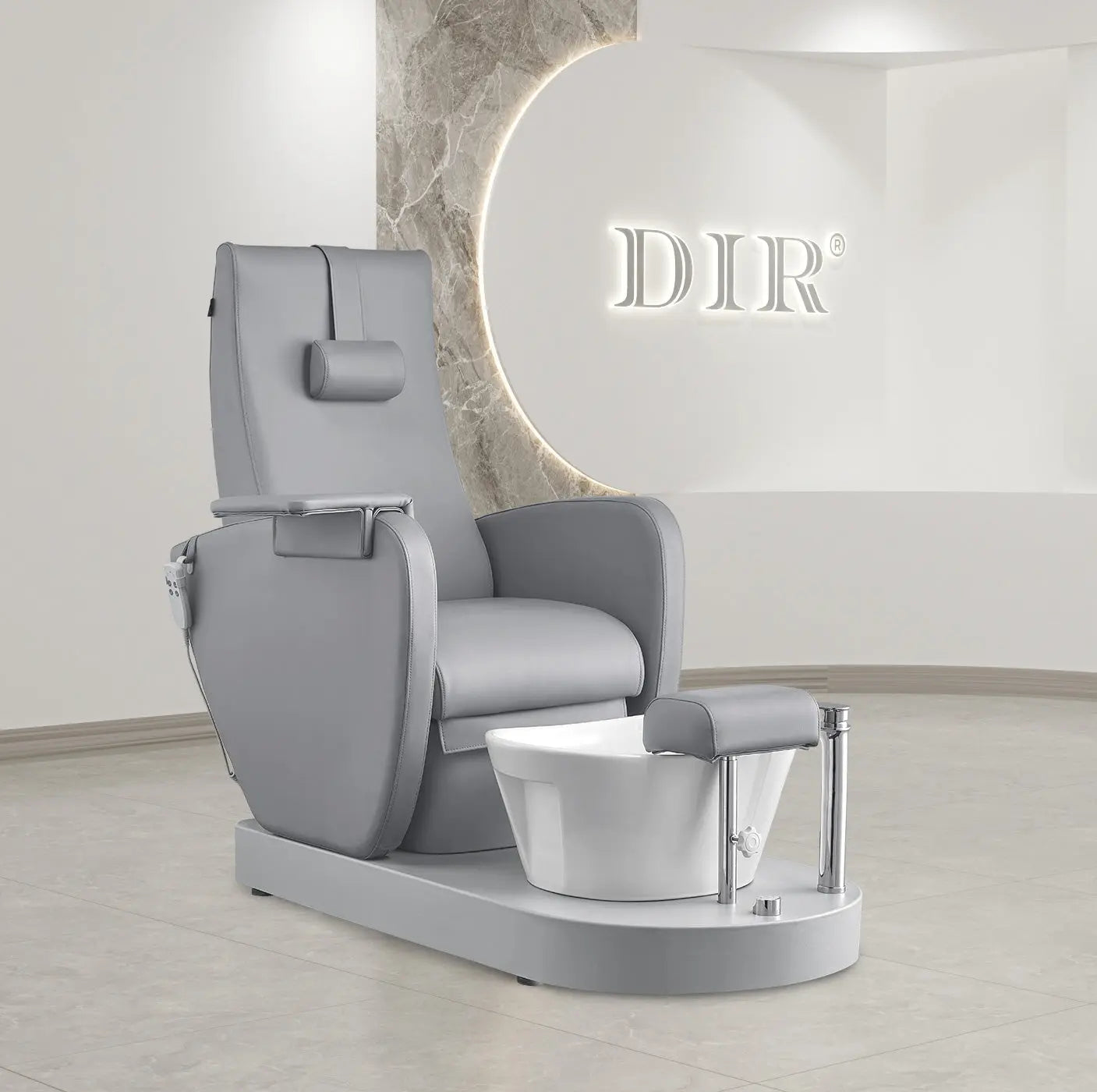
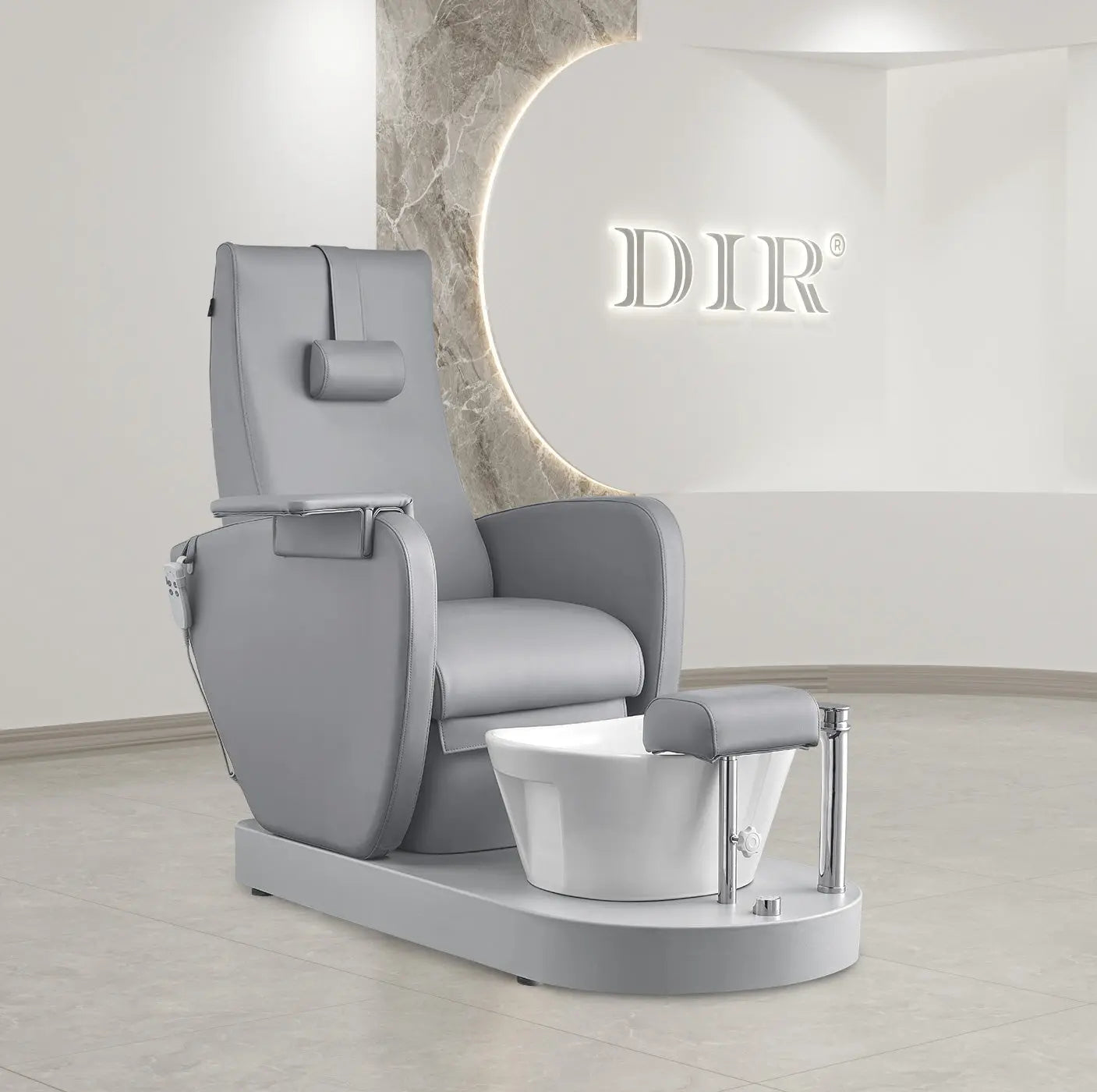
In the fast-paced world of aesthetic and beauty procedures, beauty beds—also known as cosmetic beauty beds or essential cosmetic beauty equipment—form the backbone of efficient, patient-centered care. For salons, clinics, and spas browsing beauty beds and couches, choosing the right beauty salon bed means balancing comfort for clients, durability for daily use, and versatility for a wide range of treatments. This guide breaks down these essentials, highlighting key factors that improve client satisfaction and operational efficiency.
Prioritizing Comfort for Enhanced Client Experience
Comfort is paramount in beauty beds, directly impacting client relaxation and recovery, especially during treatments where extended sessions are common. High-quality beds feature high-density foam mattresses and contoured headrests that reduce pressure points, minimizing discomfort during long sessions. In cosmetic applications, such as facial treatments or body contouring, ergonomic designs with adjustable backrests and footrests promote proper alignment, aiding circulation and reducing swelling after procedures.
Padded side rails and protective features further enhance safety and comfort by preventing falls and pressure sores, crucial for vulnerable clients in recovery. For high-volume settings, beds with supportive padding distribute weight evenly while maintaining a calming environment. Accessories like wedge pillows for post-treatment elevation add versatility, allowing customized comfort after procedures such as liposuction. When evaluating beds, prioritize models with memory foam or gel-infused surfaces that retain shape after repeated use, ensuring consistent comfort in busy salons and clinics.
Ensuring Durability for Rigorous Daily Use
Durability is a non-negotiable factor for a beauty salon bed in busy environments, where equipment faces constant wear from multiple appointments each day. Reinforced steel frames and anti-tipping designs provide the structural integrity needed to handle frequent use, while beauty-grade faux leather upholstery, resistant to tears and stains, facilitates easy cleaning with disinfectants and supports hygiene standards.
Top models are tested for repeated usage cycles and backed by warranties, reflecting their robustness in demanding settings. For cosmetic treatment tables, durability extends to components like quiet motors and hydraulic systems that withstand frequent adjustments without failure. CE-certified beds incorporate fire-resistant materials and seamless seams to endure salon-grade workloads, reducing downtime and repair costs. Key considerations include corrosion-resistant bases for humid environments and modular parts for easy replacements, ensuring longevity in high-traffic beauty spaces.
Versatility: Adapting to Diverse Treatments
Versatility defines modern beauty beds, enabling seamless adaptation to various procedures in busy settings. Multi-motor electric systems offer precise controls over height, tilt, and rotation, supporting everything from massages and facials to treatment prep and recovery. An electric beauty bed can help reduce strain on staff while supporting smooth workflow and efficient repositioning.
In cosmetic beauty equipment, versatility shines through add-ons like stirrups for lower-body access, armrests, and extensions for taller clients. Beds with lockable casters and compact designs fit tight spaces, ideal for multi-disciplinary clinics handling a wide range of appointments. Look for programmable presets and remote controls that allow effortless adjustments, reducing setup time between procedures such as laser therapies and exams.
Electric Beauty Beds for Efficient Workflow
Electric beauty beds are especially useful for clinics and salons that need fast changes between treatments. With smooth movement and easy controls, they help therapists position clients accurately without disruption. This is a practical advantage for any mobile therapist who needs reliable equipment that is simple to transport, adjust, and use in different locations.
Key Factors for High-Volume Beauty Environments
High-volume beauty environments demand beds that excel in speed, safety, and scalability. Prioritize quick-clean surfaces and antimicrobial coatings to meet hygiene protocols, with models supporting rapid disinfection cycles. Stability features, including enhanced locking mechanisms, ensure safety during fast-paced operations, while low-noise motors help maintain a calm atmosphere.
Budget considerations matter too: entry-level durable beds and premium versatile options can deliver strong value through increased throughput. Compliance with relevant standards is vital, as is integration with accessories for expanded functionality. Ultimately, beds that balance these factors can handle demanding appointment schedules, supporting growth in the expanding beauty bed market.
Conclusion: Investing in Essential Beauty Bed Features
Understanding beauty bed essentials—comfort, durability, and versatility—is critical for thriving in salons, spas, and clinics. By selecting beds with ergonomic padding, robust frames, and adaptable designs, professionals in cosmetic beauty equipment can enhance client outcomes, streamline operations, and future-proof their practices. Explore DIR Store with certified options today to elevate your setup.