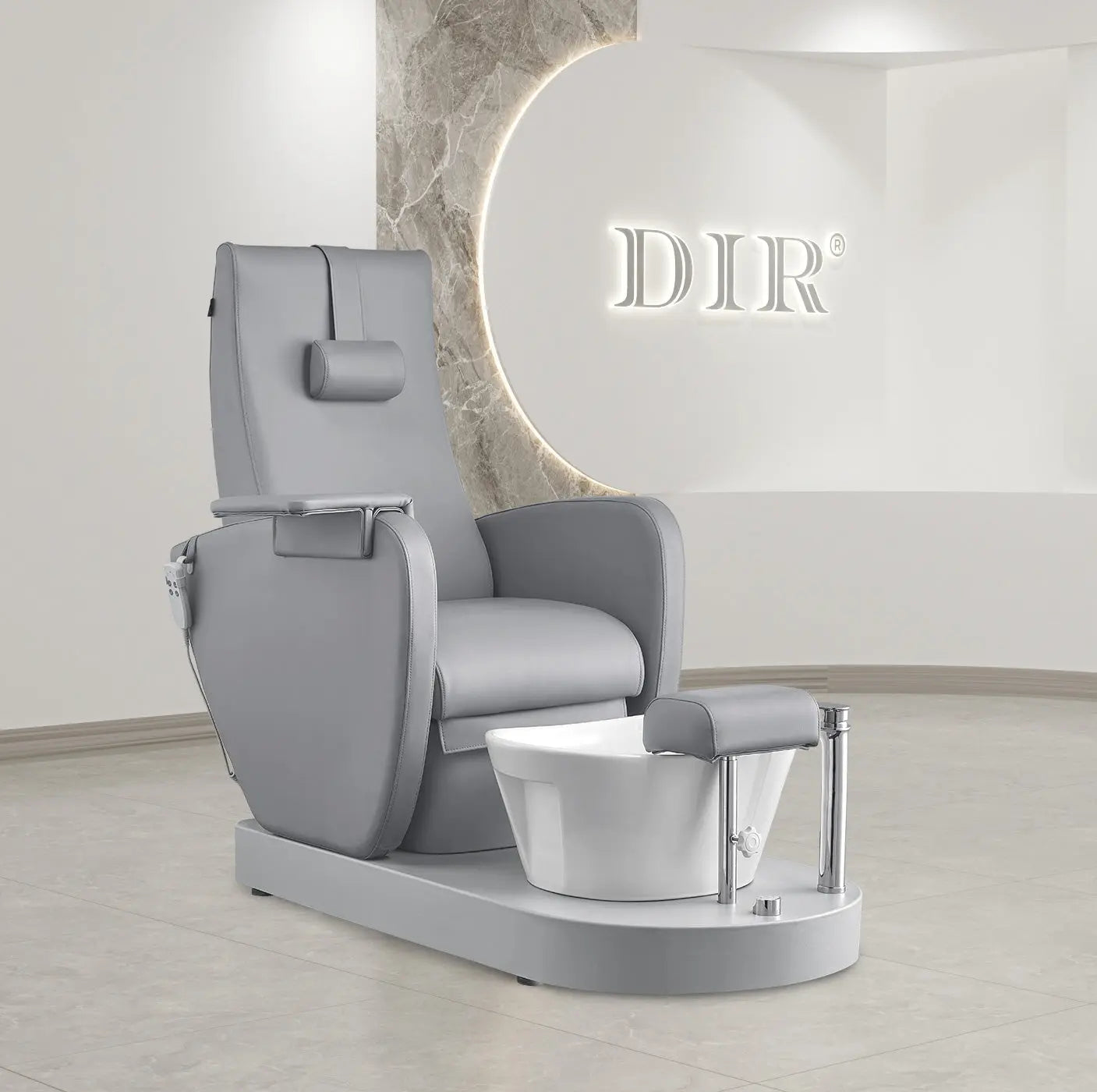
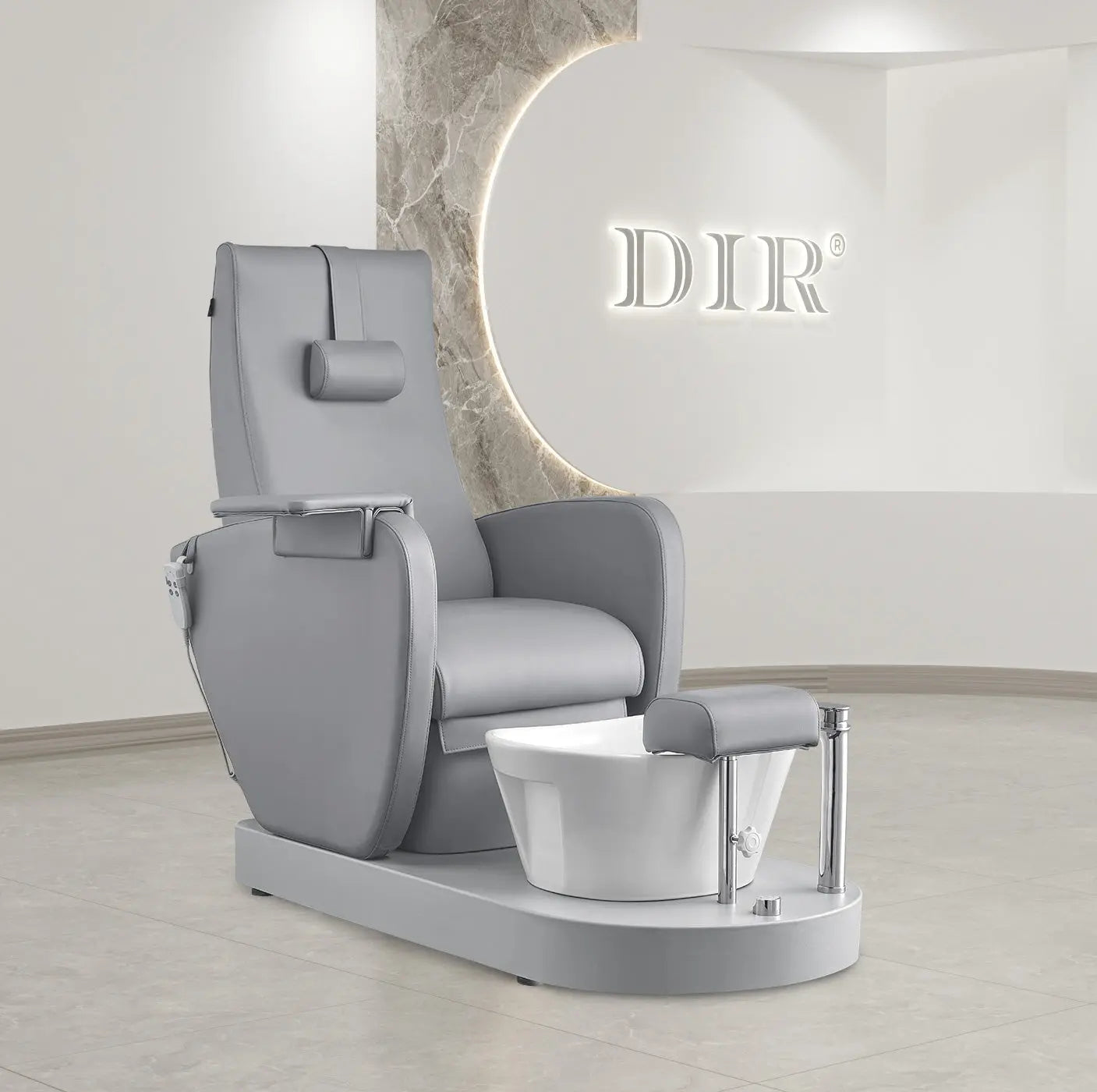
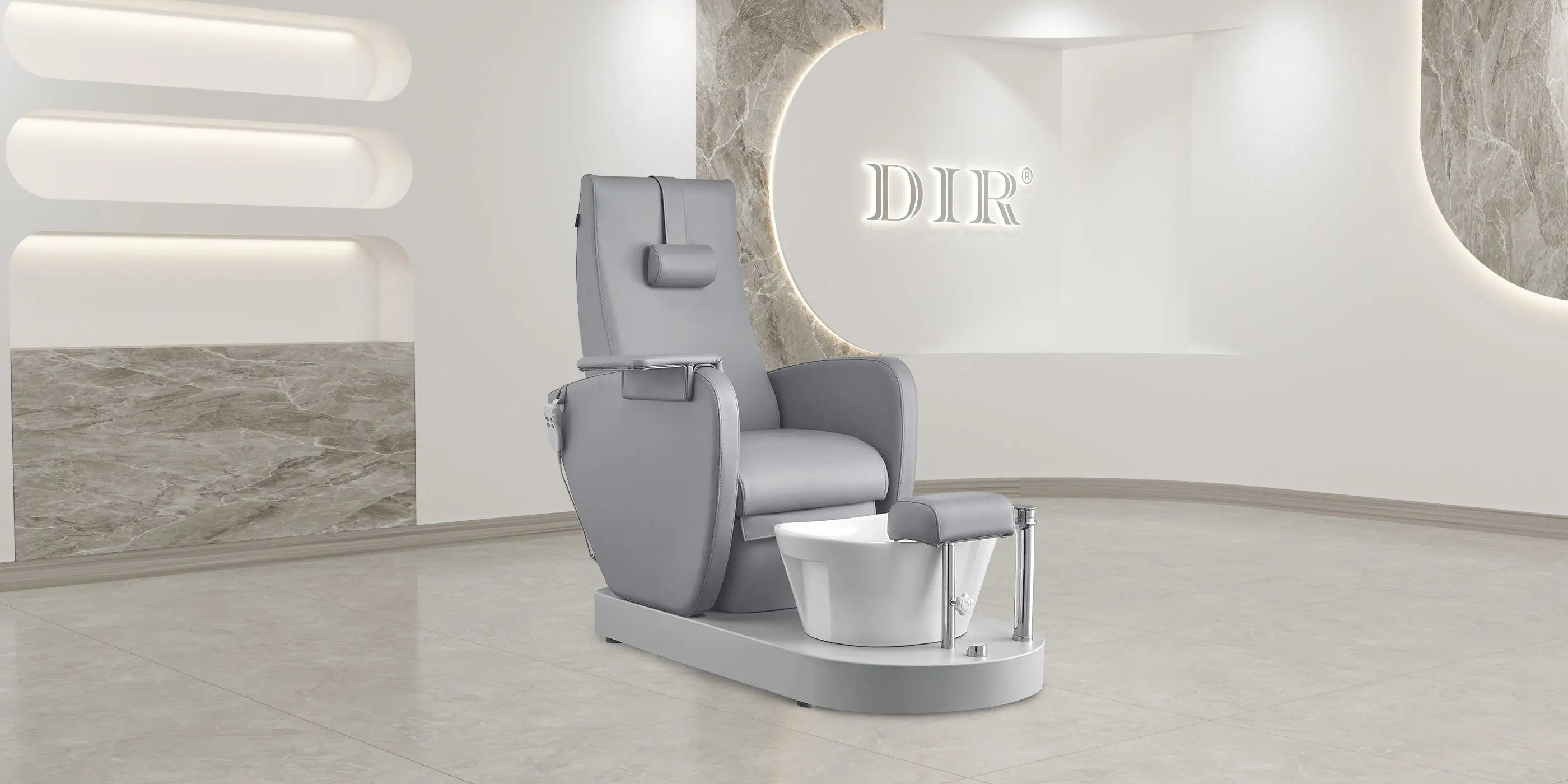
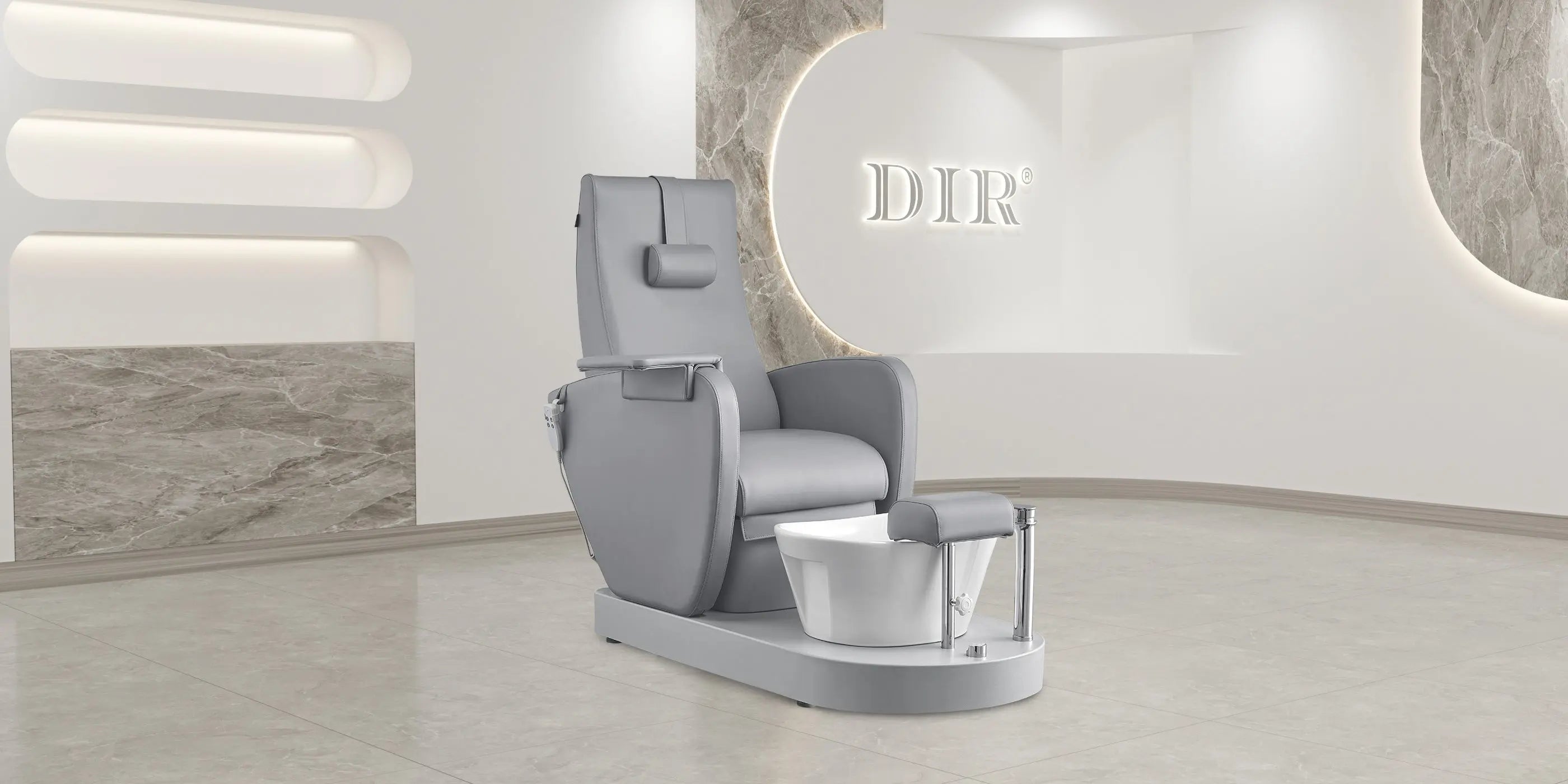
In the fast-paced world of cosmetic and beauty procedures, the beauty bed—often referred to as a cosmetic treatment table or essential beauty equipment—serves as the foundation for safe, effective treatments. Whether you're performing facials, laser therapies, injections, or more invasive cosmetic procedures, the reliability of your beauty bed directly impacts client outcomes, practitioner efficiency, and health and safety compliance. As we move into 2025, with advancements in motorized adjustments and ergonomic designs, understanding beauty bed safety standards is non-negotiable for professionals in clinics, spas, and surgical centres.
Imagine a scenario where a cosmetic treatment table fails mid-procedure: instability could lead to client injury, procedural delays, or even legal repercussions. Industry reports on operating room tables have highlighted risks linked to electrical malfunctions and positioning issues, which is why equipment that is safety tested and installed correctly is so important. This underscores why certified designs are crucial—they ensure stability, durability, and adherence to stringent beauty standards. In this comprehensive guide, we'll explore key safety standards, features, regulations, and best practices to help you set up and maintain top-tier beauty equipment that prioritises safety without compromising functionality.
The Fundamentals of CE Certification and Health and Safety
CE marking is more than a label; it's a manufacturer's declaration that a product meets the European Union's rigorous health, safety, and environmental requirements. For beauty beds and cosmetic treatment tables, CE certification is a strong benchmark in Europe and often globally, indicating compliance with directives such as the Medical Devices Regulation (MDR) 2017/745. This certification covers everything from hospital beds to specialised beauty equipment, ensuring they withstand daily use in beauty settings.
To achieve CE certification, manufacturers must undergo thorough testing for basic safety and essential performance. Standards like EN 60601-2-52 outline requirements for beauty beds, focusing on electrical safety, mechanical stability, and risk management. For instance, a CE-certified beauty bed must support appropriate weight limits, feature anti-tipping designs, and include quiet motors to prevent disruptions during procedures. In cosmetic applications, where procedures require precise positioning, these standards help prevent accidents such as table collapses or unintended movements.
Beyond Europe, CE marking aligns with international norms, complementing certifications such as UL for electrical safety in the U.S. Professionals should verify that their beauty bed is safety tested and supplied with a Declaration of Conformity to avoid non-compliance fines or operational shutdowns. As of 2025, with updated MDR guidance emphasising post-market surveillance, investing in certified equipment not only improves stability but also builds client satisfaction by supporting a safer, more professional experience.
Essential Safety Features in Modern Beauty Beds
When evaluating a beauty bed, prioritise features that enhance stability and user safety. High-quality beauty equipment incorporates reinforced steel frames to handle heavy loads, helping prevent tipping during dynamic procedures. Electric beauty beds, popular for their multi-motor systems, allow seamless adjustments in height, tilt, backrest, and footrest, reducing strain on practitioners and minimising client repositioning risks. An adjustable headrest is especially useful for comfort and accurate positioning during longer treatments.
Ergonomic design is another cornerstone. Features like removable armrests, headrest cut-outs, and high-density memory foam upholstery promote client comfort and proper circulation, which is crucial for longer sessions. Safety rails and lockable castors add layers of protection, especially in office-based treatments where space is limited. Antimicrobial upholstery, often made from beauty-grade faux leather, resists stains and facilitates easy cleaning, aligning with health and safety expectations to help prevent infection risks.
In cosmetic settings, integration with other equipment—such as magnifying lamps or skincare machines—must not compromise safety. Look for tables with built-in storage for tools, ensuring clutter-free environments that support safe workflows and improve client satisfaction. Ultimately, these features not only comply with regulations but also elevate confidence in the treatment room.
Coshh Regulations and Compliance for Beauty Beds
Compliance extends beyond CE marking to a web of global regulations. In the UK, health and safety duties include considering how the bed is used, cleaned, and maintained alongside relevant COSHH regulations where disinfectants and cleaning chemicals are involved. In the EU, the MDR classifies beauty beds as medical devices in certain settings, requiring conformity assessments by notified bodies. For U.S. professionals, FDA regulations under 21 CFR Part 878 govern general and plastic surgery devices, emphasising labelling, performance testing, and adverse event reporting.
ISO standards, such as ISO 13485 for quality management, further bolster compliance, ensuring manufacturers maintain rigorous design and production processes. In cosmetic procedures, where treatment often occurs in outpatient settings, adherence to professional guidance is vital: facilities must meet standards for equipment safety, personnel credentials, and emergency protocols.
Non-compliance can result in recalls or bans, so professionals should conduct risk assessments, document certifications, and stay updated through reputable guidance on health and safety and equipment maintenance. By prioritising compliant beauty equipment, clinics reduce liabilities and foster a culture of safety.
Best Practices for Beauty Bed Maintenance and Safety
Maintenance is the linchpin of long-term safety. Daily cleaning with fabric-safe disinfectants removes debris and helps prevent bacterial buildup, while weekly deep cleans involve vacuuming and frame inspections. Follow manufacturer guidelines for electrical checks, ensuring motors and remotes function smoothly to avoid malfunctions.
Regular inspections for wear—such as cracks in upholstery or loose rails—support ongoing health and safety compliance. Train staff on proper use, like securing clients and avoiding overloads, to prevent accidents. Document all maintenance to comply with vigilance systems under MDR. These practices not only extend the life of your beauty bed but also safeguard against costly repairs and improve operational efficiency.
Choosing and Benefiting from Safe Beauty Beds
When selecting a beauty bed, opt for models with multiple motors and solid warranty coverage, ensuring versatility for multi-disciplinary uses. Benefits include reduced procedure times, higher client retention, and peace of mind from compliance. In beauty and aesthetic clinics, safe equipment translates to better reviews and stronger business growth.
Conclusion: Prioritising Safety in Beauty Equipment
Mastering beauty bed safety standards empowers professionals to deliver exceptional care. Certified designs guarantee stability and compliance, making them indispensable in treatment rooms. By embracing these guidelines, maintaining equipment diligently, and choosing wisely, you elevate your practice—ensuring every procedure is as safe as it is transformative. Explore certified options from DIR Store today to future-proof your clinic.