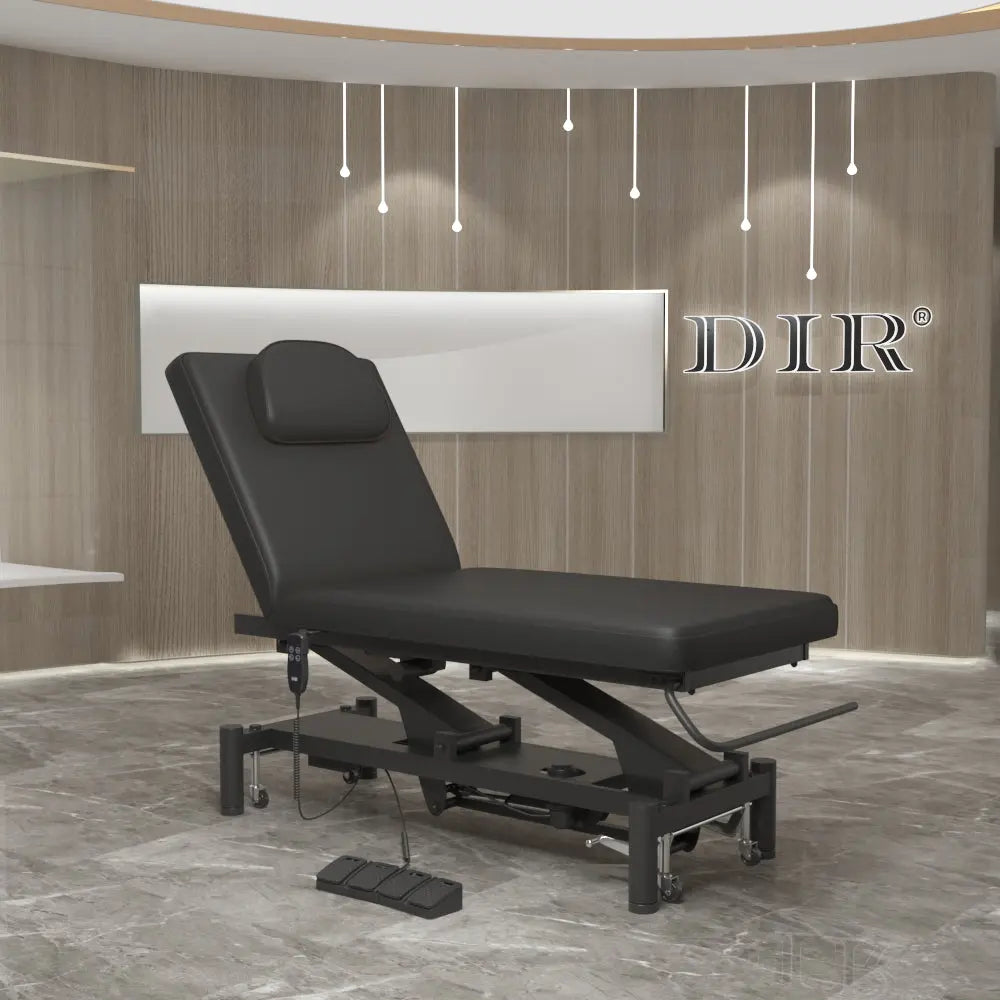
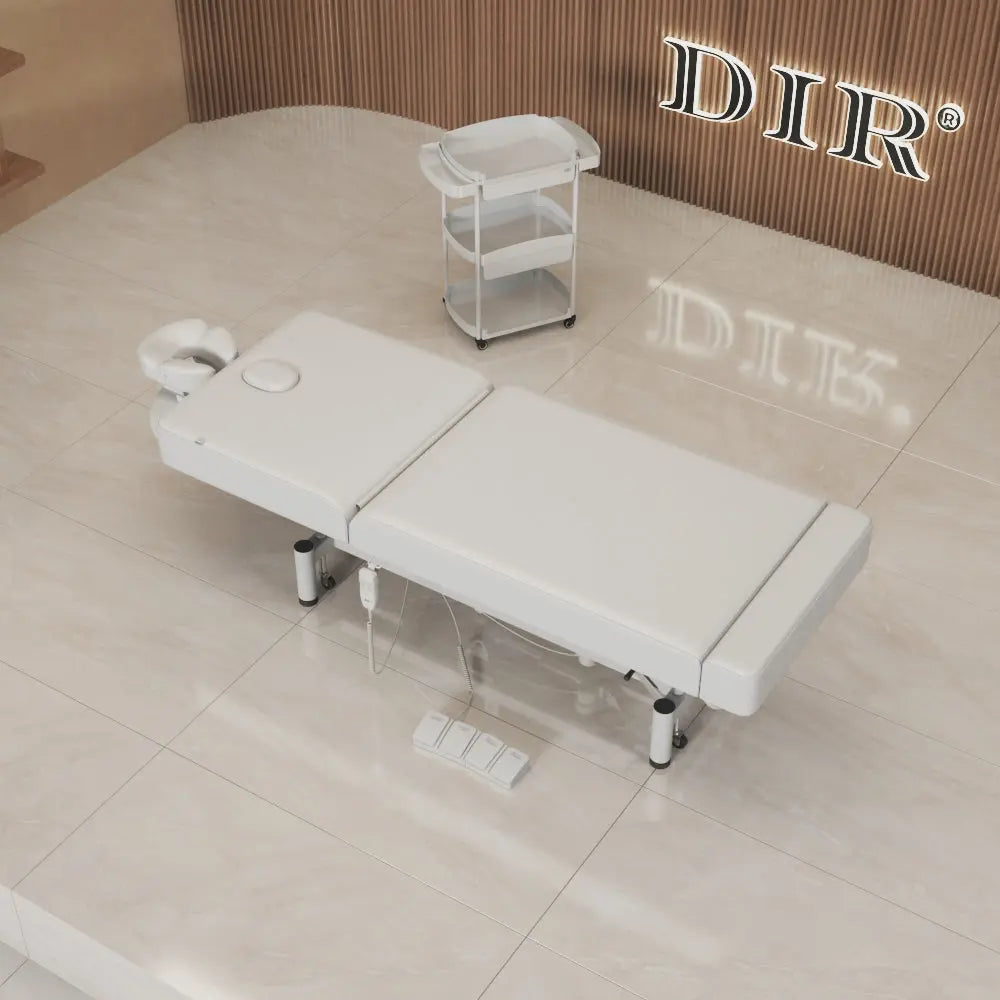
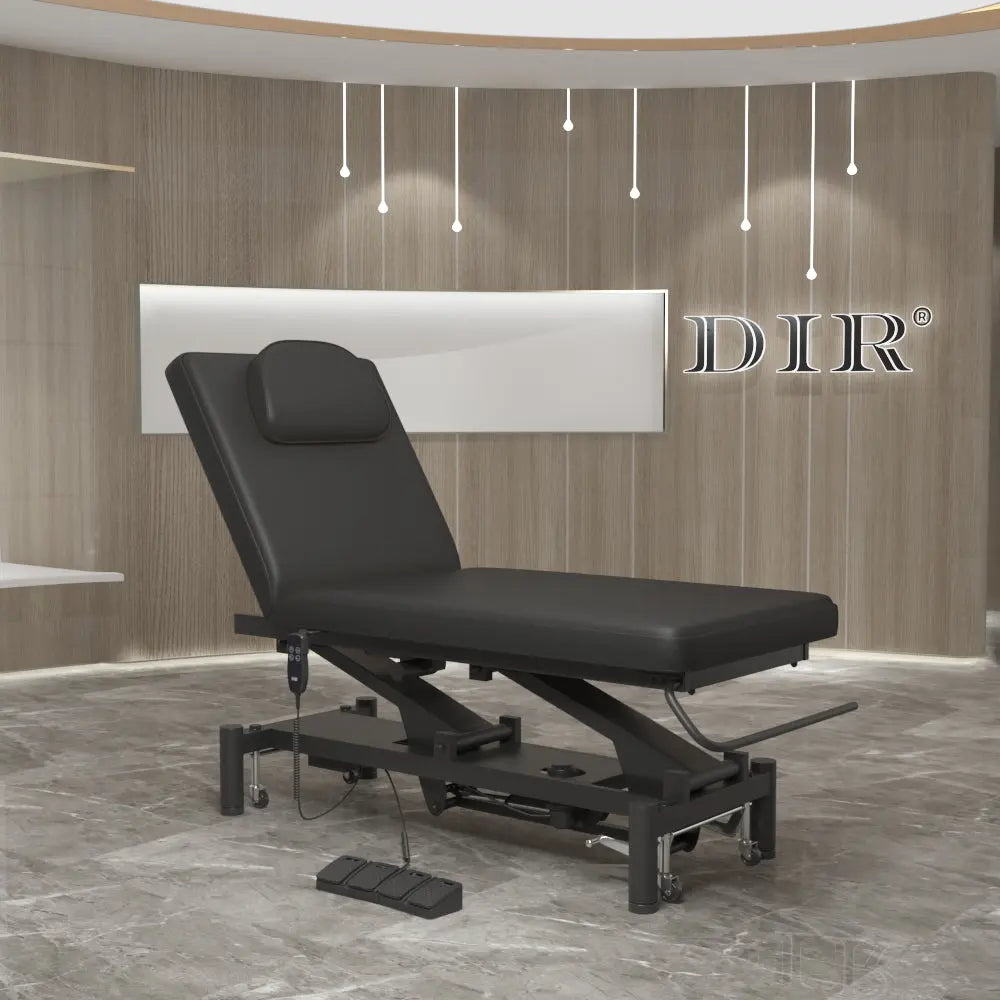
As we advance into 2025, athlete wellness is undergoing a profound transformation, driven by cutting-edge innovations in sports physio massage. This specialized therapy, blending targeted massage techniques with physiotherapy principles, is evolving beyond traditional hands-on methods to incorporate AI, wearable tech, and regenerative approaches. For athletes—from elite professionals to everyday enthusiasts—these advancements promise faster recovery, enhanced performance, and holistic well-being, addressing not just physical strains but mental resilience too. Research highlights how integrating technology into physio massage reduces injury risks and optimizes training, ushering in a new era of proactive health management. To deliver these innovations effectively, a high-quality physiotherapy bed is essential, providing adjustable support for precise, tech-enhanced sessions. Models like the Aurora and Geneva from the Dirstore Physio Bed Equipment Collection feature multi-motor adjustments and ergonomic padding, enabling therapists to incorporate tools like wearables or AI-guided positioning while ensuring athlete comfort during extended treatments.
This article delves into the future of athlete wellness through innovations in sports physio massage, exploring emerging trends, their benefits, and the role of advanced equipment like therapy beds. As the field shifts toward personalization and technology, athletes can expect more efficient, data-driven care that keeps them at peak performance.
AI and Technology Integration: Revolutionizing Personalized Care
One of the most exciting innovations in sports physio massage is the integration of artificial intelligence (AI) and digital tools, making treatments more precise and accessible. AI coaching applications use computer vision and human pose estimation to analyze movements in real-time, providing feedback on form during rehab sessions. For athletes recovering from overuse injuries, AI can guide massage therapists on pressure points, ensuring sessions target specific muscle imbalances detected via apps.
Wearable technology, such as smartwatches and fitness trackers, syncs with massage protocols to monitor vital signs and recovery metrics. In 2025, these devices enable data-driven adjustments, like increasing lymphatic drainage strokes if inflammation is detected post-training. Massage guns, a staple in tech-integrated therapy, offer percussive relief that complements manual techniques, reducing muscle tension for high-impact athletes. Tele-rehabilitation platforms extend this, allowing virtual sessions where therapists remotely guide self-massage using AI insights.
Personalization is at the forefront, with diagnostic tools tailoring treatments to individual needs—such as customizing cupping therapy for better blood flow in endurance sports. These innovations not only accelerate healing but also prevent injuries by identifying risks early, transforming athlete wellness into a predictive science.
Advanced Techniques and Regenerative Approaches
Innovative techniques are reshaping sports physio massage, focusing on deeper, more effective recovery. Instrument-Assisted Soft Tissue Mobilization (IASTM) uses tools to apply controlled microtrauma, stimulating healing and reducing pain in chronic overuse areas like tendons. Myofascial release, enhanced by frequency therapies like Pulsed Electromagnetic Field (PEMF) devices, boosts energy and tissue repair, ideal for athletes dealing with fatigue.
Regenerative medicine integrations, such as stem cell therapy and low-level laser therapy (LLLT or red light therapy), are gaining traction. LLLT applies light wavelengths to reduce inflammation and promote cellular healing, often combined with massage for musculoskeletal injuries. Stem cells repair damaged tissues, shortening rehab for conditions like tendonitis, allowing athletes to return faster.
Holistic trends emphasize mental health, with massages incorporating mindfulness and energy work like Reiki to lower cortisol and improve focus. Lymphatic drainage techniques, gentle yet powerful, reduce swelling and support immune function, crucial for post-competition recovery. These methods, rooted in evidence-based research from sources like PubMed, ensure treatments are not just reactive but preventive.
Sustainability is emerging too, with eco-friendly practices like using organic oils and reusable tools, aligning athlete wellness with environmental consciousness. Longer certification programs in sports massage equip therapists with advanced skills, elevating care quality.
Virtual and Gamified Wellness: Engaging the Modern Athlete
The future includes virtual wellness experiences, where VR and gamification make rehab interactive. Athletes can engage in game-like exercises that incorporate massage simulations, improving adherence to recovery protocols. Neuromuscular electrical stimulation (NMES) devices, paired with massage, stimulate contractions to rebuild strength in injured areas.
Musculoskeletal (MSK) ultrasound provides real-time imaging during sessions, guiding therapists to inflamed spots for targeted friction massage. Bioprinting and tissue engineering, though nascent, promise custom repairs for severe overuse, reducing reliance on traditional massage alone.
These tech-driven innovations enhance athlete engagement, making wellness fun and measurable, with apps tracking progress for continuous improvement.
Benefits for Athletes: From Recovery to Resilience
These innovations yield measurable gains: faster recovery (up to 30% reduced downtime via AI and wearables), pain relief through regenerative tech, and injury prevention with data analytics. Mental health focus lowers anxiety, boosting performance under pressure. Personalized care ensures treatments align with individual goals, whether endurance building or strength gains.
For team sports, integrated therapies like chiropractic-massage combos accelerate group recovery. Overall, athletes experience enhanced stamina, flexibility, and longevity, with studies showing improved mitochondrial function for energy efficiency.
The Pivotal Role of Physiotherapy Beds in Future Innovations
No innovation thrives without the right foundation. Physiotherapy beds are central to delivering these advanced therapies, with features like electric hi-lo adjustments and multi-sections enabling integration of wearables or VR setups. Stable frames support robotics or NMES devices, while contoured padding ensures comfort during PEMF or LLLT sessions.
In 2025, beds like the Tranquility from DIR Store incorporate smart tech compatibility, reducing therapist fatigue by 30% for longer, precise treatments. Models supporting over 1000 lbs with wide surfaces promote inclusivity, vital for diverse athletes. Clinics using premium beds report 28% higher retention, as enhanced comfort boosts adherence to innovative protocols. Easy-clean upholstery suits hybrid virtual sessions, aligning with sustainability trends.
For UK athletes, these beds meet regulations, facilitating tele-rehab with adjustable angles for camera views.
Conclusion: Embracing the Future of Athlete Wellness
The future of athlete wellness lies in innovations like AI personalization, regenerative techniques, and virtual therapies in sports physio massage, promising unparalleled recovery and performance. By harnessing these, athletes can overcome limitations and thrive holistically.
To equip your space for this future, explore the DIR Store Physio Bed Equipment Collection, featuring models like the Mar Egeo 3G and Sydney. Invest today—unlock innovative wellness and elevate your athletic potential.