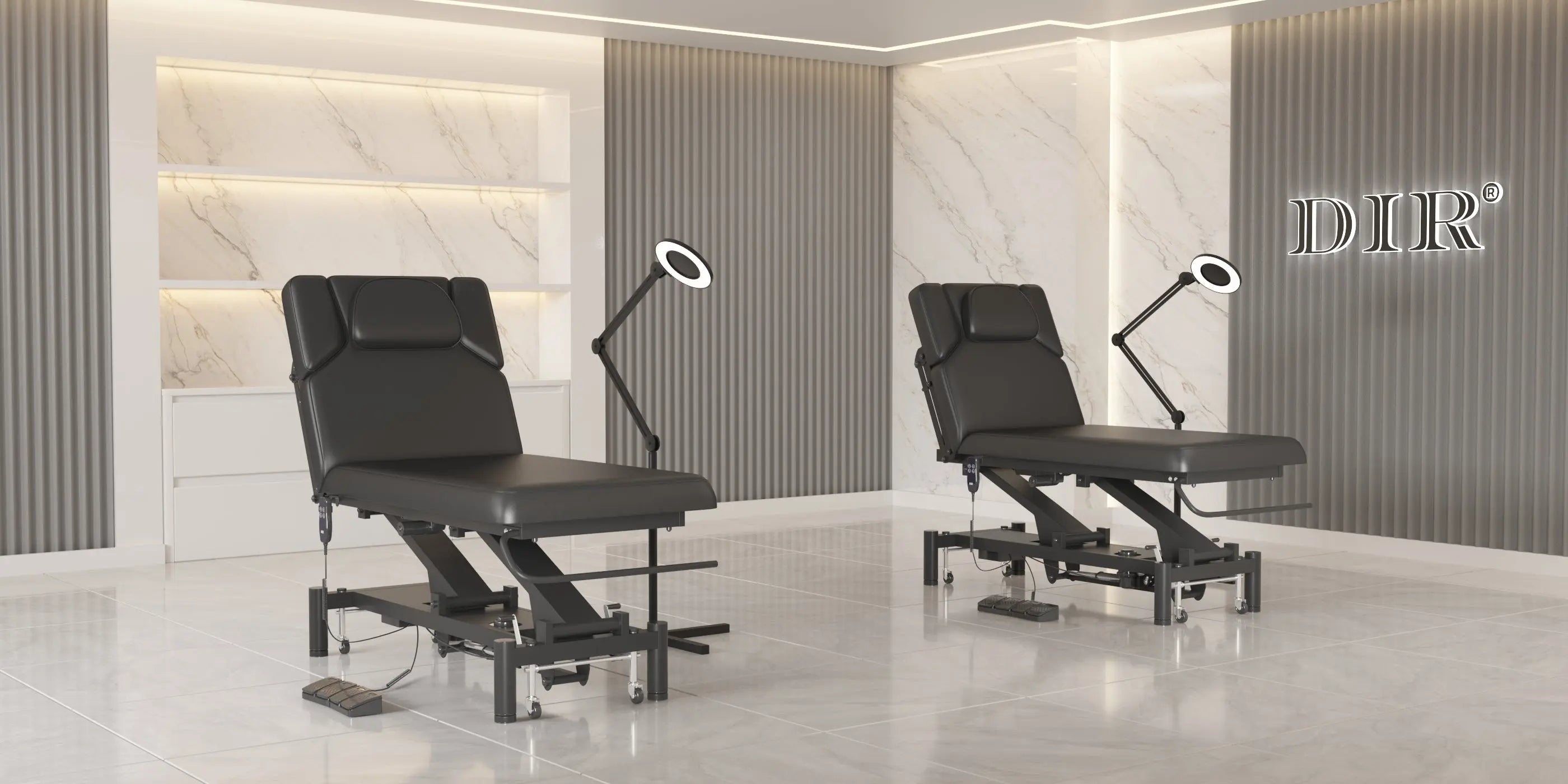
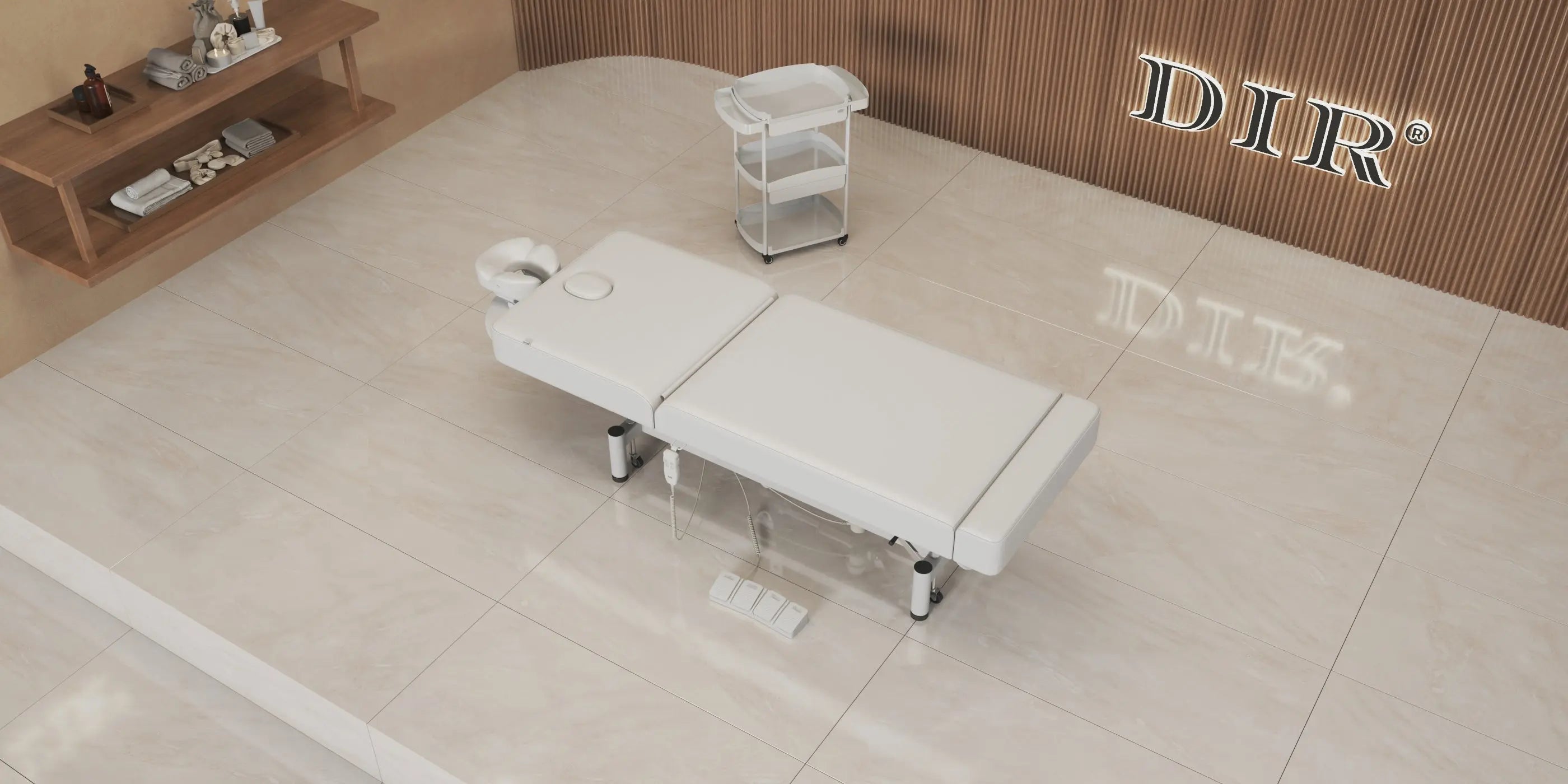
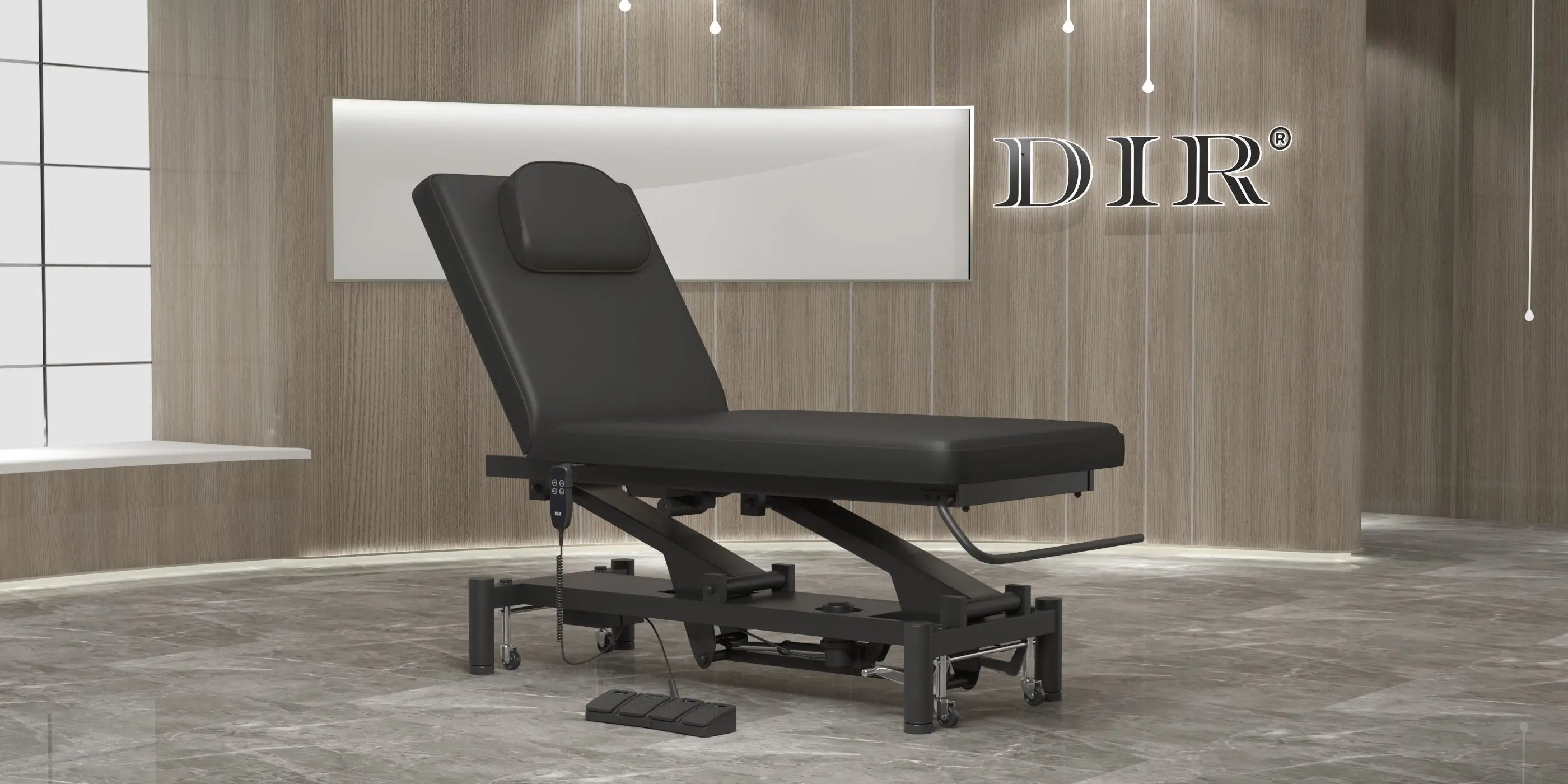
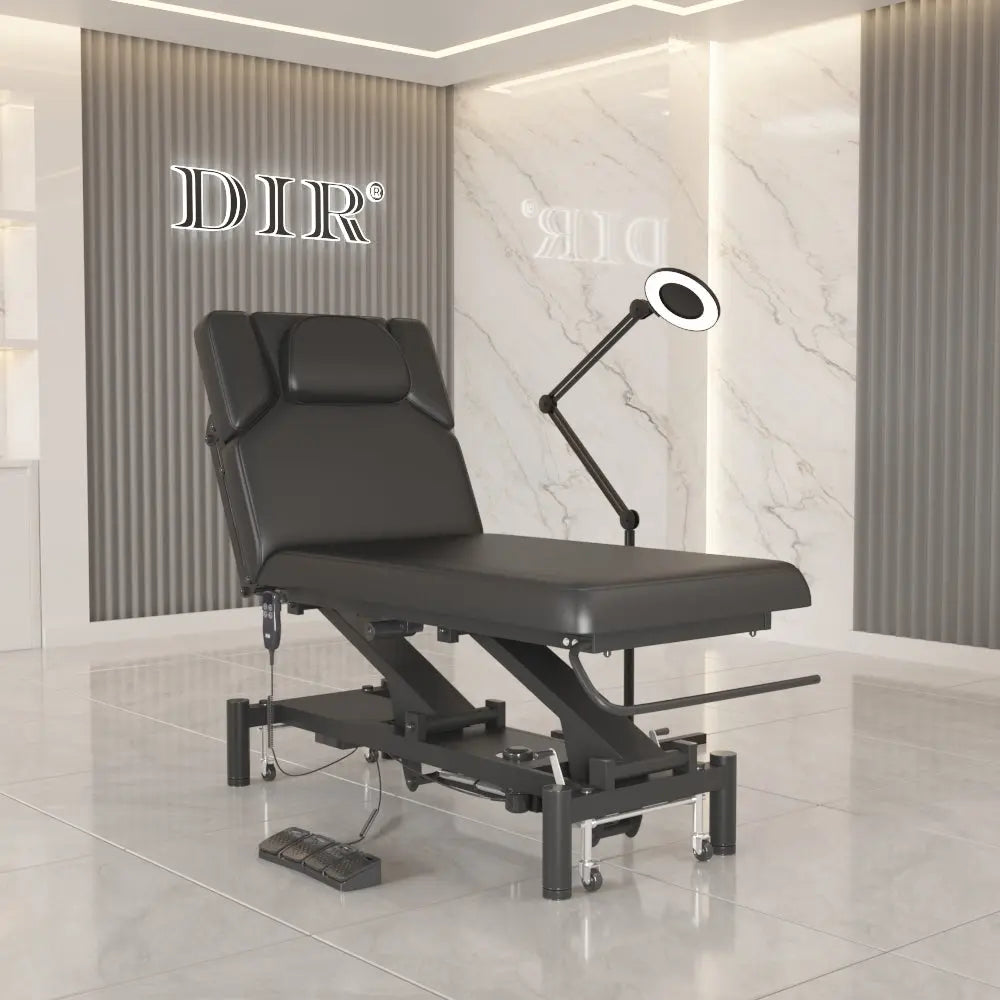
In the competitive field of physiotherapy, a high-quality physio bed—also referred to as a physiotherapy bed or therapy bed—serves as the backbone of effective treatments, patient comfort, and clinic efficiency. As we enter 2025, with advancements in ergonomic design and safety standards, selecting the right therapy bed involves prioritizing features that enhance durability, adjustability, and hygiene. This guide outlines the top 10 essential features to consider, drawing from expert recommendations and industry insights for UK clinics and beyond. Whether you're upgrading your practice or starting fresh, these elements ensure your physio bed supports diverse treatments like rehabilitation, massage, and examinations while promoting long-term value and client satisfaction.
Why These Features Matter in a Physio Bed
A superior physiotherapy bed isn't just about basic functionality; it's about creating a safe, comfortable environment that minimizes therapist strain and maximizes patient outcomes. Features like adjustable sections allow for precise positioning during spinal manipulations or post-surgery care, while high load capacities accommodate all body types. In the UK, where regulations emphasize compliance with UKCA and CE standards, investing in these attributes can reduce injury risks and boost clinic reputation. Recent trends highlight a shift toward electric models with infection-control surfaces, reflecting post-pandemic priorities for hygiene. By focusing on these top features, you'll find a therapy bed that stands the test of time and elevates your practice.
Top 10 Features for a High-Quality Physio Bed
Here are the must-have features, ranked by importance based on therapist feedback and 2025 buying guides. Each includes practical benefits and tips for evaluation.
- Adjustable Height Mechanism
A reliable height adjustment system—electric, hydraulic, or manual—is crucial for therapist ergonomics and patient accessibility. Electric models offer smooth, hands-free changes (45-95cm range) to prevent back strain, while hydraulic options suit budget setups. Look for quiet motors to avoid disrupting sessions. This feature improves workflow by 20-30% in busy clinics. - High Load Capacity and Sturdy Frame
Opt for beds supporting at least 200-300kg to ensure inclusivity for all patients. Reinforced steel or aluminum frames provide stability without flexing during treatments. Check for welded construction and anti-wobble designs to handle dynamic therapies safely. - Multi-Section Adjustability
Beds with 3-7 adjustable sections (backrest, leg, head) allow customized positioning for various treatments, from knee rehab to spinal work. Gas-assisted or motorized sections enable seamless transitions, enhancing precision and patient comfort. - Quality Padding and Upholstery
Firm, high-density foam (at least 4-7cm thick) wrapped in beauty-grade vinyl ensures comfort during long sessions while resisting oils and cleaners. Waterproof, fire-resistant materials promote hygiene and longevity, with seamless designs preventing bacterial buildup. - Locking Casters and Mobility Options
Retractable wheels with non-slip brakes allow easy movement in compact spaces without compromising stability. This is ideal for UK clinics where repositioning is frequent, ensuring safety during patient transfers. - Quiet Motors and Smooth Operation
For electric physio beds, whisper-quiet motors (under 50dB) and gentle transitions minimize noise, creating a calming environment. Battery backups prevent disruptions, making them suitable for high-volume practices. - Ergonomic Design and Safety Features
Rounded corners, smooth edges, and breathing holes reduce injury risks and enhance comfort. Integrated safety rails or low-entry heights aid elderly or mobility-impaired patients, aligning with UK accessibility standards. - Easy-to-Clean Surfaces and Hygiene
Scratch-resistant, antimicrobial finishes and seamless upholstery simplify disinfection, crucial for infection control. Smooth base designs without crevices make maintenance effortless in clinical settings. - Accessories and Versatility
Removable headrests, arm supports, or integrated footrests add flexibility for specialties like sports physio. Modular designs allow upgrades, extending the bed's utility across treatments. - Warranty and Compliance Standards
A strong warranty (5+ years on frame, 2+ on motors) indicates quality, paired with CE/UKCA certifications for safety. This ensures reliability and peace of mind, especially in regulated UK environments.
Conclusion: Investing in the Right Physio Bed for Lasting Success
Choosing a high-quality physio bed with these features transforms your physiotherapy practice into a hub of efficiency and care. Prioritize based on your clinic's needs—electric adjustability for busy setups or robust frames for durability. In 2025, models incorporating smart controls and eco-friendly materials are gaining traction, offering even greater ROI. Research suppliers like DIR Store for compliant options, and always test for real-world fit. By selecting a therapy bed that excels in these areas, you'll foster better patient experiences, reduce operational hassles, and position your practice for growth.