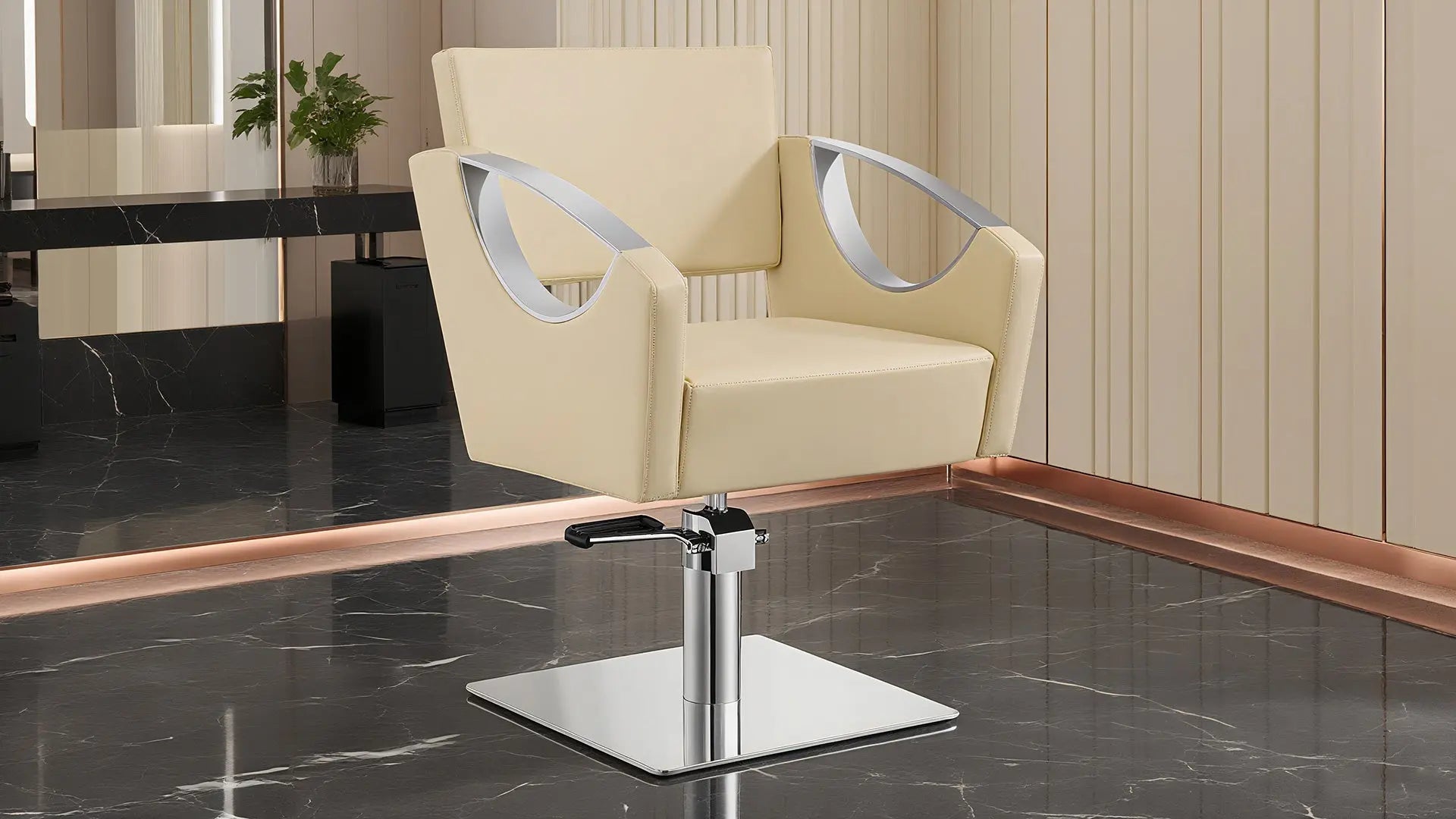
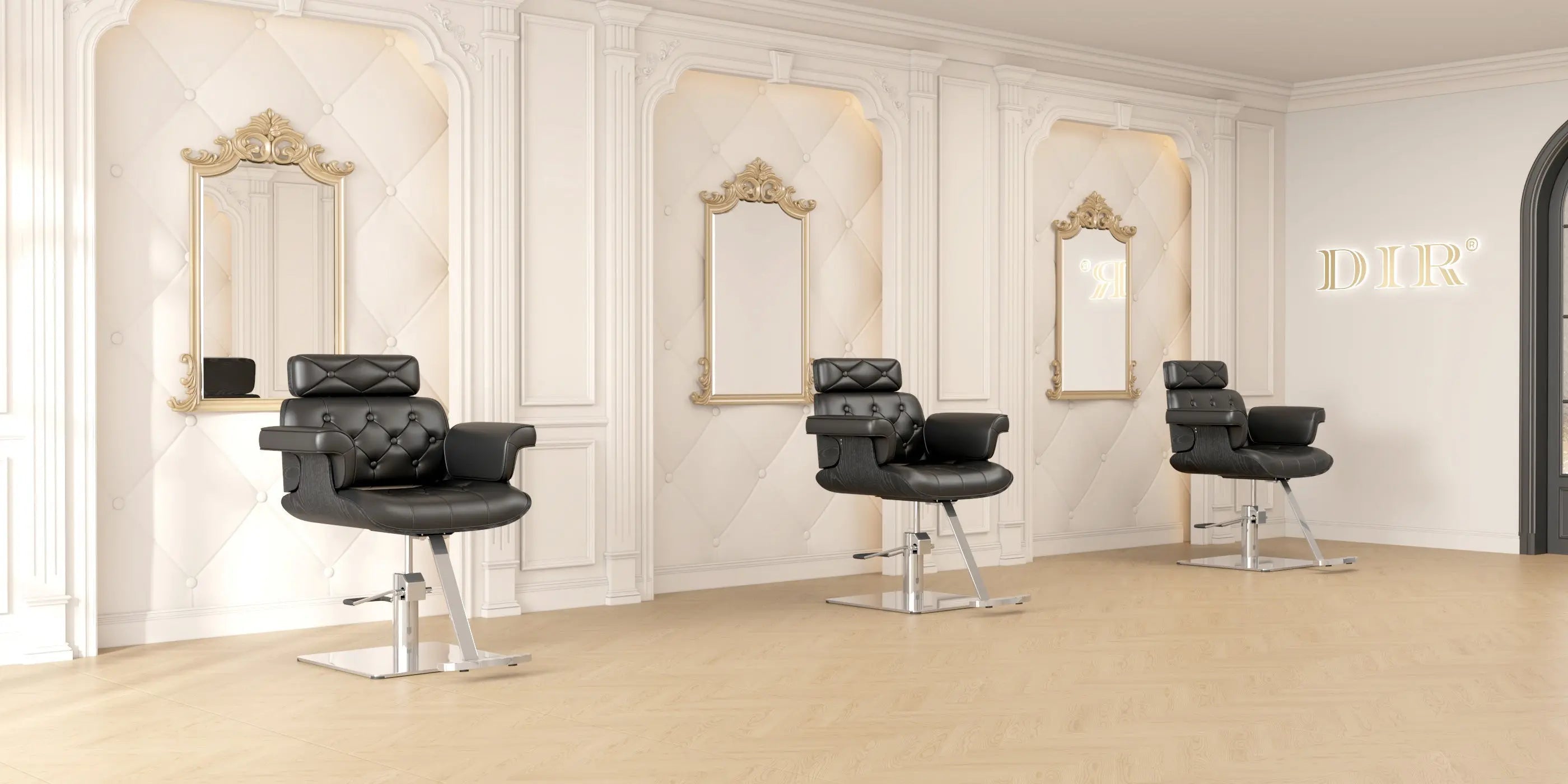
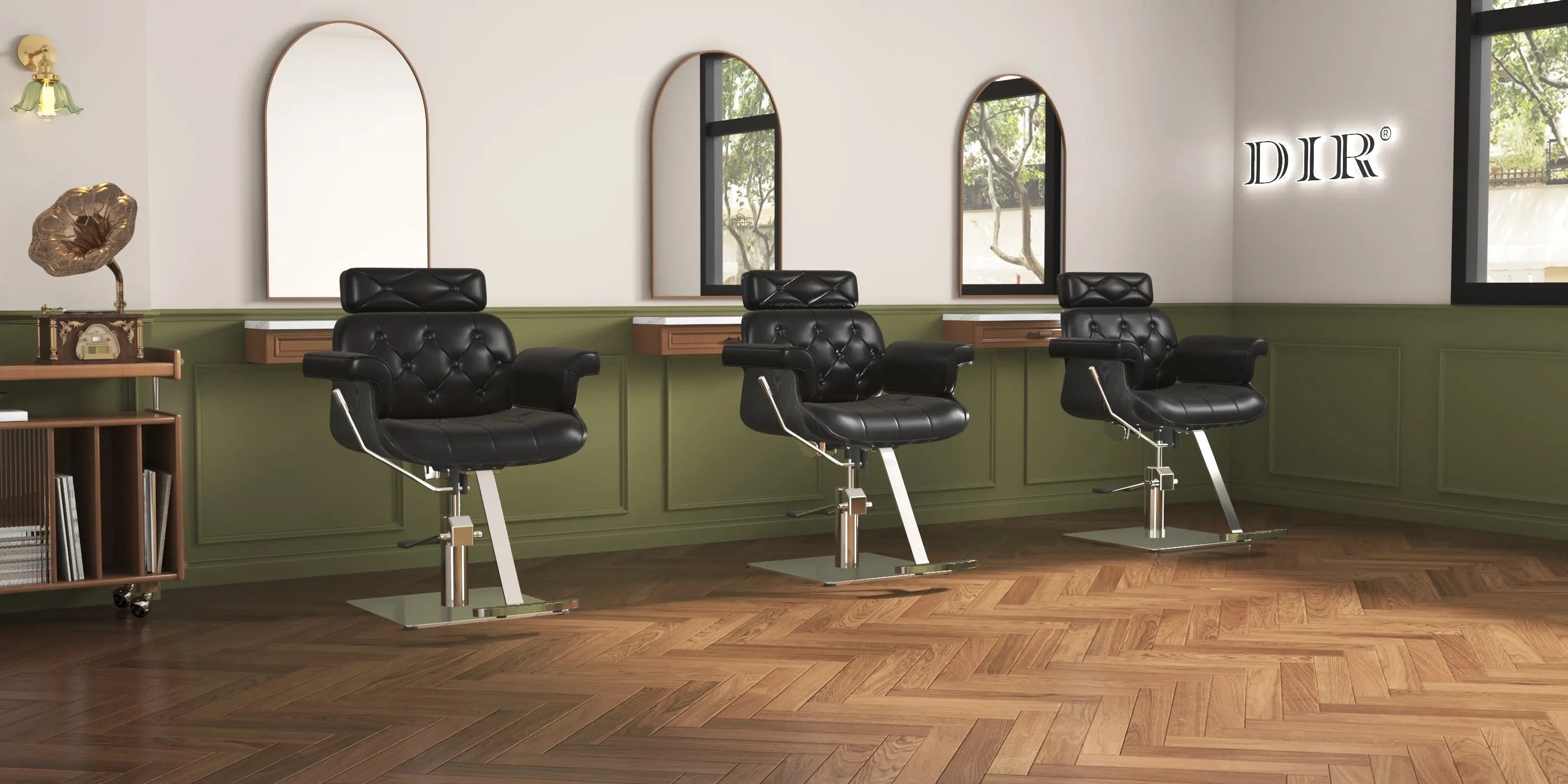
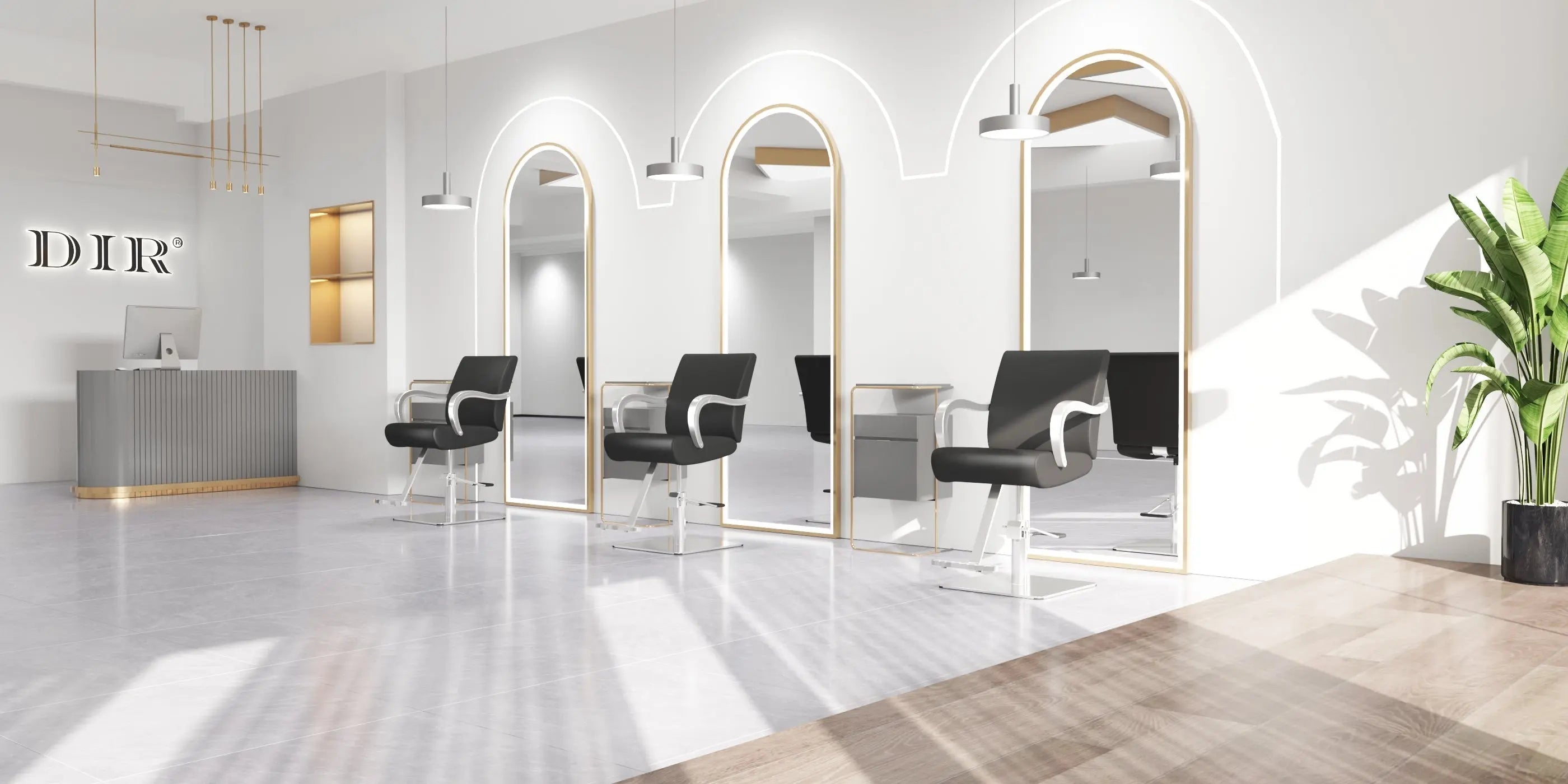
In the evolving UK beauty industry of 2025, where salon services are projected to reach £264.93 billion globally with strong domestic growth, hairdresser stools are fundamental to operational success and staff well-being. As salon owners navigate rising client demands for personalised experiences, investing in a quality ergonomic salon stool—whether a saddle stool model with wheels or an adjustable design—ensures compliance, comfort, and efficiency. With musculoskeletal disorders affecting up to 71% of UK hairdressers, often due to poor posture and prolonged standing, understanding hairdresser stool essentials is crucial. This guide outlines key considerations for UK salon owners, from posture support to regulatory compliance, drawing on trends like sustainability and customisation. Keywords such as salon stool, salon stools, hairdresser stool, ergonomic salon stool, and saddle stool highlight the focus on mobility and health in compact urban setups like London or Manchester salons.
Why ergonomic support matters for the lower back
At the core of hairdresser stool essentials is ergonomics, which directly combats the physical strains inherent in salon work. UK hairdressers frequently experience lower back pain (42% in recent surveys) from repetitive bending and hovering over clients. Ergonomic salon stools address this with features like saddle-shaped seats that promote a natural 135-degree hip angle, reducing spinal pressure and encouraging active sitting. Adjustable heights via pneumatic gas lifts (typically 45-70cm) allow customisation for tasks like cutting or colouring, preventing overreaching. Wheels are a must-have for mobility—hair-repellent casters prevent clogs from clippings, enabling smooth navigation in busy spaces. HSE guidelines emphasise ergonomic tools to minimise risks under the Health and Safety at Work Act, recommending adjustable seating to fit individual body mechanics and reduce fatigue. In 2025, hybrid ergonomic-saddle designs are trending, blending posture support with versatility for multifunctional services like facials or manicures. Salon owners should prioritise stools with high-density memory foam cushions (at least 7cm thick) and backrests for lumbar aid, as these can improve comfort and support the lower back during long shifts.
Durability, materials, and easy cleaning
Durability and materials form another essential pillar, ensuring salon stools withstand the rigours of daily use in high-traffic UK environments. Opt for faux leather or vinyl upholstery that's fire-resistant and easy to sanitise, aligning with hygiene standards post-pandemic. Reinforced bases in chrome, steel, or aluminium support weights up to 135kg, preventing wobbles during extended shifts. Sustainability is a 2025 trend, with eco-friendly recycled materials gaining traction amid client preferences for green salons—over 57% of UK businesses now incorporate such features. Low-maintenance designs reduce downtime; for instance, non-porous surfaces facilitate quick cleaning between clients, complying with COSHH regulations for chemical exposure. Warranties of 1-2 years from UK suppliers like DIR Store add value, minimising replacement costs in a market where salon furniture is expected to grow at 6.1% CAGR. For mobile hairdressers, compact, lightweight stools with wheels double as portable essentials, enhancing flexibility under rent-a-chair agreements.
Mobility and adjustability for busy beauty clinic workflows
Mobility and adjustability are non-negotiable for boosting productivity in UK beauty salons. Salon stools with wheels allow stylists to glide effortlessly around clients, optimising workflows and reducing energy loss—key in space-limited venues where efficiency can increase appointments by 20%. 360-degree swivels and dual-wheel casters ensure silent, floor-friendly movement, while adjustable tilts accommodate varied services. HSE stresses providing suitable workstations, including adjustable stools, to prevent prolonged constrained standing that exacerbates issues like foot pain (49.5% prevalence). In 2025, tech-integrated trends like hydraulic lifts for one-touch adjustments are rising, supporting hybrid wellness offerings. Style matters too—neutral tones or matte finishes complement salon decor, enhancing client perception and loyalty.
UK regulations and buying considerations
UK-specific regulations and considerations make hairdresser stool selection a compliance imperative. The Health and Safety Executive (HSE) mandates risk assessments for ergonomic hazards, with guidelines for seating that supports natural posture and includes footrests if needed. Salons must adhere to the Provision and Use of Work Equipment Regulations (PUWER), ensuring stools are stable and regularly maintained. For new setups, essentials include conducting COSHH assessments for materials and ensuring PPE compatibility. Budgets range £50-£300; affordable options from premium brands like DIR Store provide luxury durability. Trends favour customisation, with 68% of salons opting for colour-matched furniture to boost branding. Risk assessments, as per HSE examples for hairdressing, should evaluate stool stability to prevent slips.
Benefits for staff comfort and client experience
Benefits of prioritising these essentials include enhanced staff health, leading to 19% higher client retention as comfortable stylists deliver better services. Productivity rises with reduced fatigue, while durable designs cut long-term costs. For owners, compliant stools mitigate legal risks under the Management of Health and Safety at Work Regulations.
Final thoughts on choosing the right saddle stool
In conclusion, hairdresser stool essentials for UK salon owners in 2025 revolve around ergonomics, durability, and compliance to foster healthy, efficient spaces. By selecting a quality ergonomic salon stool or saddle stool with wheels, owners can enhance productivity, ensure HSE adherence, and thrive in a wellness-driven market. Assess your needs, consult DIR Store, and invest wisely—your team's well-being and business growth depend on it.